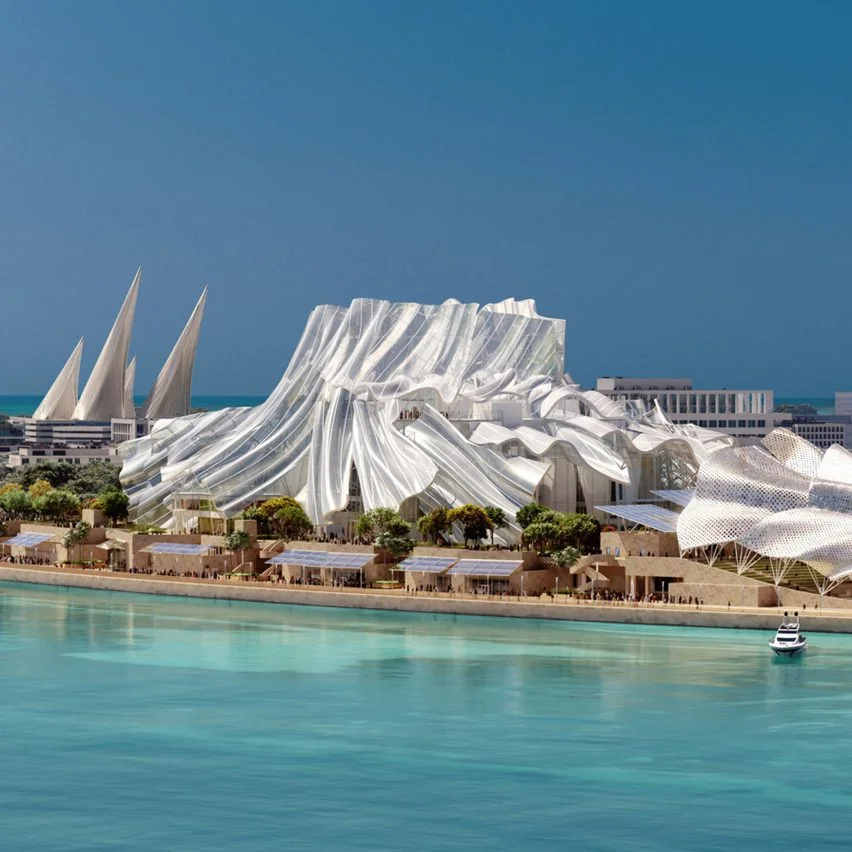
Abu Dhabi is gearing up for an exciting addition to its cultural scene with the unveiling of the Dar al Funoon Abu Dhabi. Designed by the iconic architect Frank Gehry prior to his passing, this performing arts center features a design reminiscent of flowing fabric, harmonizing beautifully with its surroundings. This project isn't just another building; it represents a significant step for Abu Dhabi's cultural ambitions, positioning the emirate as a major player in the global arts arena.
The Vision Behind Dar al Funoon
Strategically located near Gehry's much-anticipated Guggenheim Abu Dhabi, which is nearing completion, the new arts center aims to serve as a beacon of creativity on Saadiyat Island. This site has already begun to establish itself as a major cultural hub in the region. Saadiyat Island has long been envisioned as a cultural district, home to various institutions designed to elevate the UAE's international standing in the arts. The proximity of Dar al Funoon to other major cultural venues makes it part of a broader vision that seeks to transform Abu Dhabi into a destination for art lovers and tourists alike.
Architectural Significance
The design of Dar al Funoon captures attention with its dynamic forms, envisioned to evoke the elegance of draped fabric. This aesthetic not only symbolizes artistic expression but also aims to create an inviting environment for performances and community engagement. Frank Gehry's signature style often challenges conventional architectural boundaries. His use of unexpected forms and materials prompts dialogue around the purpose and function of a space, inviting both reflection and participation. The building isn't just a venue; it's meant to inspire creativity in all whose lives it touches.
Broader Context in Abu Dhabi's Cultural Development
Gehry's project aligns with an ambitious vision for Abu Dhabi, where investment in arts and culture is prioritized. As the region seeks to diversify its economy beyond oil, initiatives like these are pivotal for establishing Abu Dhabi as a global cultural capital. The emirate's leadership has recognized that a vibrant cultural scene can attract visitors and talent from around the world, fueling growth in sectors like tourism and hospitality. This isn't merely about buildings or performances; it's a long-term strategy aimed at economic sustainability.
Gehry's Legacy in Abu Dhabi
Though Gehry has passed, his design philosophy continues to influence contemporary architecture. The realization of Dar al Funoon will not only honor his contributions but also enhance the city's profile in the world of architecture and the arts. What sets Gehry's work apart is his ability to harmonize with the surrounding environment while creating structures that provoke thought and awe. As such, the arts center is as much about reflecting Abu Dhabi's identity as it is about honoring Gehry's legacy.
Implications and Future Outlook
The announcement of Dar al Funoon, alongside other ambitious architectural projects, signals that Abu Dhabi is poised for a significant transformation in its cultural experience. This type of investment reflects a long-term vision that goes beyond mere physical structures; it aims to foster a community centered around the arts.
What this means for you, if you're working in this space, is that Abu Dhabi is becoming increasingly relevant on the world stage. The fruitful intersection of culture and commerce could reshape the emirate's economic fabric, making it a better place for artists, performers, and cultural entrepreneurs. And you'll likely see more initiatives that focus on the arts, adding to the diversity and richness of the local scene.
With its expected opening, Dar al Funoon will serve as a venue for performances and events but will also contribute to the overall aesthetic and cultural fabric of Saadiyat Island. The people of Abu Dhabi are not just gaining a new building; they're gaining a space for creativity that can bring communities together, inspire dialogue, and shape the future of the region.
(and this is the part most people overlook) While Gehry’s designs command attention, it’s the broader cultural strategy they represent that might be more impactful. Saadiyat Island, through developments like Dar al Funoon, can effectively elevate Abu Dhabi's image in the arts, making it a crucial hub for future cultural exchanges.
In related architectural movements, Snøhetta also made headlines this week, showcasing innovative designs such as the redevelopment of the Paimio Sanatorium in Finland. Their projects exemplify the evolving nature of modern architecture, which continues to draw inspiration from historical contexts while addressing contemporary needs. Observing these trends can provide valuable insights into where Abu Dhabi is headed and how its identity will be reshaped by these bold initiatives.
For more insights on the latest in architecture and design, check out our weekly news roundup on Dezeen.
This week on Dezeen
This week on Dezeen is our regular roundup of the week's top stories. Subscribe to our newsletters to stay updated.