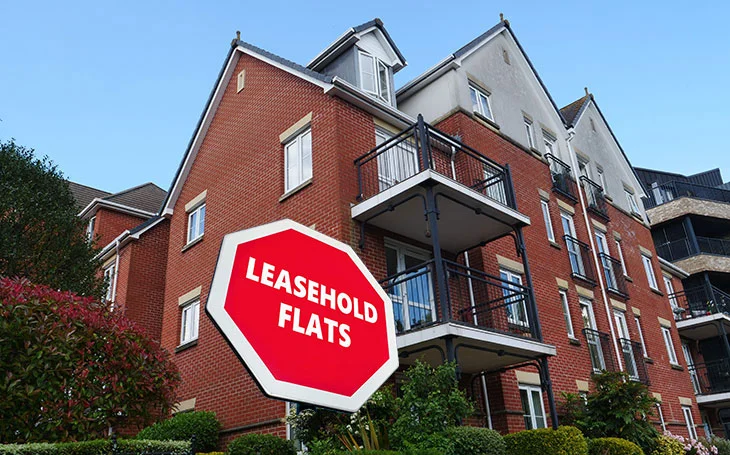
A recent study indicates that 40% of leaseholders report unexpected increases in their service charges, surpassing concerns about ground rents. The survey, which involved 2,000 leaseholders, highlights the growing financial pressure within the leasehold sector.
Survey Insights and Service Charge Trends
This research puts a spotlight on the issues leaseholders are facing beyond their ground rents. Service charges have emerged as the primary concern, with many leaseholders reporting unaffordable increases. Recent data from Hamptons reveals that the average service charge for flat leaseholders reached about £2,405 last year, which represents a 4.6% increase compared to 2024. Such increases not only put a strain on household budgets but also highlight the broader issue of rising living costs.
As more people are grappling with tightened financial situations, an unexpected rise in essential housing costs can tip the scale towards financial instability. Service charges are often meant to cover maintenance and communal services, but ambiguity in transparency makes it difficult for leaseholders to challenge these costs. It raises the question of whether property management companies are being held accountable for the expenses they impose.
For many leaseholders, the lack of clarity around service charges is frustrating. They’re left with the impression that bills are skyrocketing unfounded. If you’re working in this space, you know these spiraling costs can deter potential buyers, further complicating the already challenging housing market.
Investor Concerns and Calls for Action
The report was commissioned by Justice for Property Rights, a coalition that comprises investors, retirees, and freeholders concerned about the leasehold sector's trajectory. Their collective voice is raising alarms about the ongoing leasehold reforms, warning that existing property owners’ interests could be sidelined. The coalition argues that if proposed reductions to ground rents aren't balanced with adequate provisions for service charge regulations, the financial landscape could worsen, resulting in losses exceeding £30 billion.
Richard Merrin, a representative from the coalition, stresses the urgency of addressing leaseholders’ grievances regarding service charges, transparency, and overall management accountability. He emphasizes that reforms must genuinely tackle these issues. Making changes without careful consideration for existing rights could further alienate leaseholders, who may feel that their needs are being eclipsed by regulatory changes focused on ground rents alone.
The coalition's stance reflects a broader concern that legislation aimed at reducing financial burdens in the property market could inadvertently lead to other problems. Those involved are calling for comprehensive reforms that not only adjust ground rents but also rectify the cruel realities of ever-increasing service charges.
Market Implications
As we analyze the numbers, it becomes clear that the implications are significant. More than a third of flats — roughly 37% — now find their service charges exceeding 1% of their property value, an increase from 28% just a decade ago. This shift indicates a troubling trend that mortgage lenders are beginning to notice. Many are now hesitant to approve loans for properties where service charges breach this threshold. That's a substantial shift that could further constrict an already limited housing market.
Interestingly, flats maintaining service charges at or below 1% saw a 50% higher likelihood of selling compared to those with charges reaching or exceeding 2%. If property owners can’t keep their costs manageable, they risk making their properties less marketable. The correlation between service charges and property value isn't just an academic observation; it’s affecting real people's ability to buy and sell homes.
Leaseholders are now more conscious than ever about budget management, prompting them to seek properties that provide greater transparency in terms of what they’ll owe. This pressure for accountability is likely to lead to heightened demand for leases that clearly outline charge structures and management practices.
As the conversation around leasehold structures continues, the focus is now shifting to effective management and regulation of these charges. With service charges becoming as pressing an issue as ever, reform discussions will likely revolve around finding a balance that protects buyers while ensuring the sustainability of property management.
Future Outlook: What Lies Ahead
The rising service charges signal more than just financial pressure—they represent a critical juncture for leasehold reform. The financial strain felt by many leaseholders could spark further calls for accountability and transparency, pushing the conversation about property management practices to the forefront of policy discussions. This won't easily dissipate. The growing dissatisfaction among leaseholders may lead to greater advocacy efforts, demanding that reform not just be a theoretical exercise but translate into tangible, actionable changes that improve their everyday realities.
But will policymakers heed this call? That’s unclear. The pressure from groups like Justice for Property Rights shows there's a growing awareness—and urgency—regarding these issues. The fear of a real financial crisis for leaseholders due to escalating service charges might drive substantial policy changes in the future.
This evolving narrative can’t be ignored. As the landscape of property ownership shifts, understanding the dynamic between service charges, ground rents, and overall leasehold management will become essential for all stakeholders.
The post Leaseholder Service Charges Surge, Signaling Market Concerns appeared first on The Negotiator.