Market Performance Overview
The multifamily sector in the Midwest has consistently demonstrated strong annual rent growth, positioning itself as an attractive destination for investors and developers alike. This growth isn’t just a passing trend; it's reflective of broader demographic shifts and economic factors. More people are looking for urban living environments that are accessible yet affordable, and multifamily properties often meet that demand efficiently. With rising rental prices nationally, especially in major metropolitan areas, the Midwest's ability to maintain stable and increasing rents draws attention from stakeholders looking for sustainability and potential in their investments.
Key Takeaways from the Conference
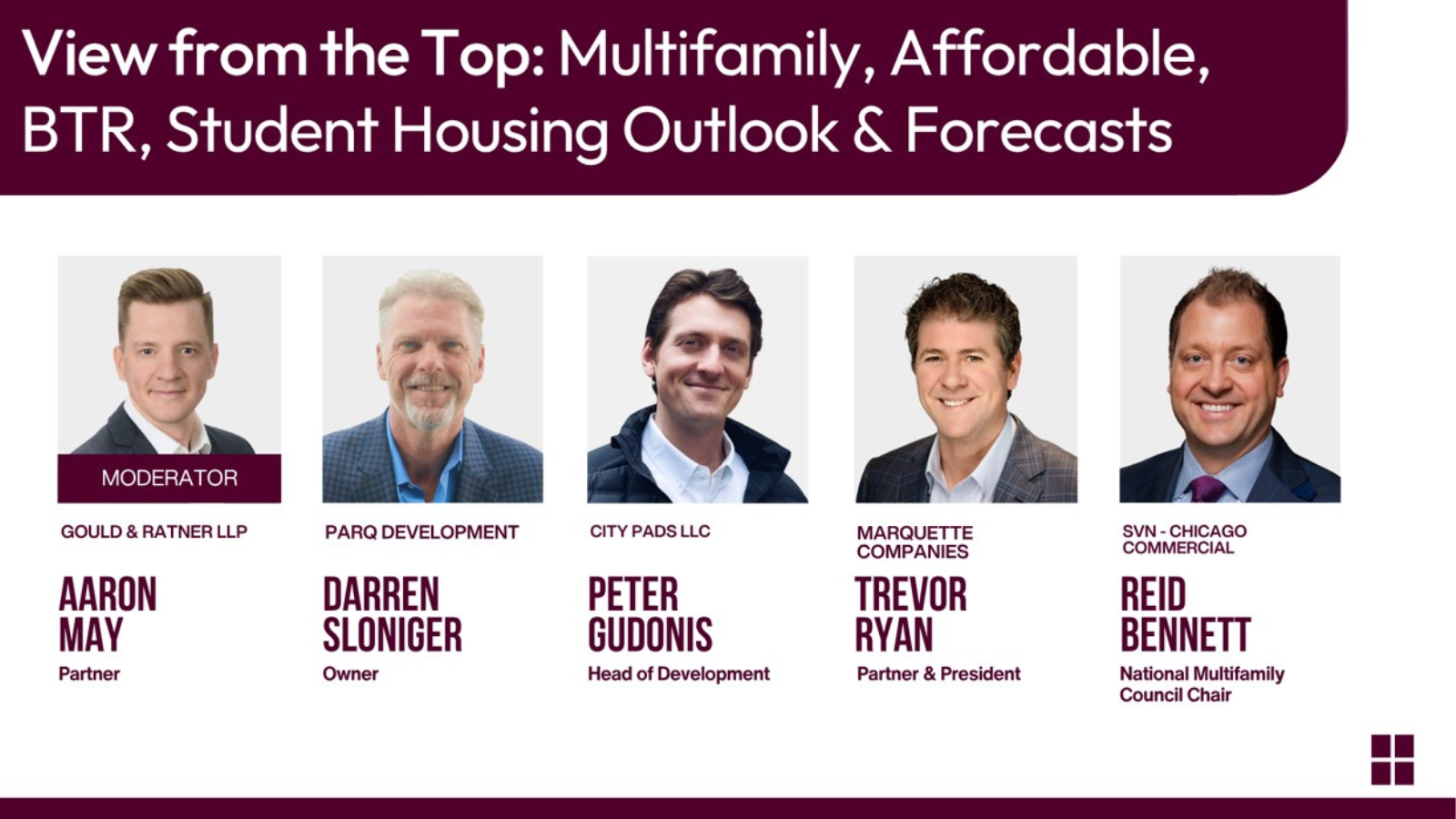
At the recent Connect Midwest Multifamily Trends 2026 event held in Chicago, industry leaders gathered to discuss the current state and future potential of the region. Moderated by Aaron May, a partner at Gould & Ratner LLP, the panel focused on active sales markets, the growth potential of urban versus suburban developments, and successful project examples. These gatherings offer valuable networking opportunities and insights into market conditions that can often be underestimated. Participants exchanged views on the pressing issues that shape investment strategies, helping attendees to stay ahead of emerging trends and challenges in a rapidly changing marketplace.
Chicago's Competitive Edge
Trevor Ryan, President of Marquette Companies, highlighted Chicago as a prime location for multifamily investments, particularly in its suburban regions. His perspective sheds light on the stronger demand in areas outside the downtown core, where factors like local amenities and community environments have become increasingly appealing. He also noted that markets like Columbus, Indianapolis, Kansas City, Madison, and Milwaukee are gaining traction among capital partners. This suggests that as investors look for opportunities, they’re no longer limiting themselves to traditional hotspots. Instead, they're exploring secondary markets that offer competitive returns and potential growth, proving that Chicago's influence reaches beyond its borders.
Impact of Tax Incentives
Darren Sloniger, Founder and Owner of Parq Development, attributed the resurgence in Chicago's development efforts to recent tax abatements, which have energized financing opportunities. Tax incentives play a pivotal role in real estate development, especially in urban centers where the cost of entry can be prohibitive. “There's a substantial pipeline of deals seeking financing, especially for well-located properties with strategic plans,” he explained. These opportunities provide not just relief for developers but can also lead to significant job creation and community revitalization. Yet, skepticism remains regarding the long-term effectiveness of such incentives. Are they pushing the right projects, or are they merely papering over fundamental issues in the housing market?
Looking Ahead: Challenges and Opportunities
Peter Gudonis, Head of Development at CityPads, shared insights on successful project completions, stating, “We successfully sold the first development of our current fund, which validates our approach.” This is a positive sign amidst uncertainty, indicating that sound strategies can lead to successful outcomes even in challenging climates. Meanwhile, Reid Bennett, Senior Vice President for SVN – Chicago Commercial, warned of potential distress in secondary and tertiary markets over the next few years, which could create both challenges and vast opportunities. It raises a critical point: how well prepared are investors to diversify their portfolios to mitigate risks in these emerging markets?
Implications and Future Outlook
The conversations at the Connect Midwest Multifamily Trends 2026 event paint a complex picture of the multifamily sector in the Midwest. On one hand, there’s momentum built on solid fundamentals like ongoing rent growth and investor interest in emerging markets. On the other, the potential for distress in secondary markets means caution is warranted. Developers and investors must navigate this duality carefully; strategic planning will be essential. If you're working in this space, you'll need to keep your ear to the ground while remaining flexible—what might look like a prime opportunity today could quickly shift depending on several unpredictables. The trends emerging from this conference suggest a cautious optimism, but historical context shows that markets can change unexpectedly. Keep an eye on region-specific indicators; they’ll likely reveal more than the surface-level information that comes from broader statistics.