Strategic Acquisition in Williamsburg
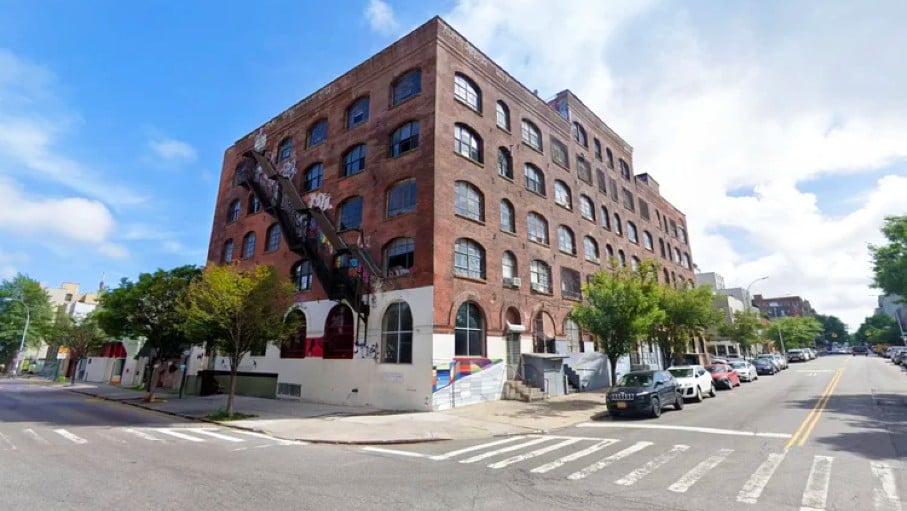
Charney Companies has made headlines with its recent acquisition of 143 Roebling Street, a sizable 100,000-square-foot building in Brooklyn's vibrant Williamsburg neighborhood, for $20 million. This transaction is significant not just for its monetary value but for the strategic implications it carries within a rapidly developing area. The financing structure—which involved BH3 Fund Advisors—illustrates investor confidence in Williamsburg's growth trajectory. Over the past few years, Williamsburg has transformed from an industrial hub into a sought-after residential and commercial sector, characterized by rising property values and increased demand for quality living and workspaces.
The Williamsburg Renaissance
Williamsburg has seen an impressive transformation in the last two decades. Once a gritty, working-class neighborhood with a strong industrial presence, it's now a vibrant mix of artistic culture, dining, and luxury condominiums. Historically, it has attracted young professionals drawn by the area's creative energy and relatively affordable rents compared to nearby Manhattan. This shift has led to skyrocketing property prices and a surge in new developments, making the acquisition of long-standing buildings like 143 Roebling Street critical for developers and investors.
Plans for Restoration and Modernization
Plans for 143 Roebling include substantial restoration and modernization efforts. Justin Pelsinger, the COO of Charney Companies, expressed enthusiasm for revitalizing this property, emphasizing its significance to local residents. “We look forward to restoring and modernizing this neighborhood gem to better serve Brooklynites for generations to come,” he stated. This intent to merge the building’s historical appeal with modern amenities shows a larger trend in real estate where developers aim to retain community character while adapting to contemporary needs. What's vital here is the acknowledgment that gentrification without local input can lead to community pushback. Charney’s approach seems to acknowledge this delicate balance.
Property History and Market Insight
Originally constructed in 1907, the building has experienced multiple renovations and has housed both residential and retail spaces, including the beloved Roebling Tea Room. However, it has faced challenges as it has sat vacant in recent years. The sort of deterioration common in older buildings can make revitalization a daunting task. Nevertheless, the demand for such spaces often leads to creative redevelopment ideas, particularly when retrofitting them to meet current market standards. JLL facilitated the sale, with a team led by Ethan Stanton, Brendan Maddigan, and Michael Mazzara representing the seller, Calmwater Capital, based in Los Angeles. This involvement of key players in commercial real estate underscores the deal’s importance in the context of Williamsburg’s ongoing transformation.
Understanding the Local Market
The Williamsburg property market is competing fiercely with more established neighborhoods. The demand for commercial space, particularly in areas undergoing revitalization, indicates a broader trend occurring in urban environments across the U.S. Investors are increasingly looking for opportunities to convert old commercial structures into mixed-use developments, creating spaces where local entrepreneurs can thrive. The success of these initiatives relies on understanding neighborhood dynamics and market demand. Charney’s acquisition fits within this context, suggesting a calculated approach backed by market research and a finger on the pulse of local demographics.
The Role of Public Infrastructure in Development
Public infrastructure improvements, such as transportation enhancements and park developments, also play a critical role in shaping real estate investments. For Williamsburg, the historical L train service and other public transit options have greatly increased accessibility to Manhattan, enhancing property values. These factors not only invigorate existing neighborhoods but often push developers to assess long-term viability and return on investment effectively.
Implications for the Future: Community and Development Balance
The acquisition of 143 Roebling Street by Charney Companies could signal a larger trend in how local needs and real estate interests align. This isn't merely about profit; it's about community engagement and sustainable development. Successful projects in similar neighborhoods often manage to preserve local culture while integrating modern elements that benefit new and existing residents alike. As developers look to invest in Brooklyn, they'll need to navigate community sentiments carefully. Resistance to projects perceived as favoring affluent newcomers can lead to conflicts that affect long-term viability.
What this means for you if you're working in this space is that transparency and communication with community stakeholders will become increasingly important. Developers who ignore these elements may find themselves facing backlash that stymies their projects before they even begin. This requires a shift in how developers traditionally approach community relations—a welcome evolution. Charney’s emphasis on serving "Brooklynites for generations" could be the mantra of the future, placing community at the forefront of development strategies.
The post Charney Companies Expands Portfolio with 143 Roebling Street in Williamsburg appeared first on Connect CRE.