New Retail Landscape at TAWA Gateway
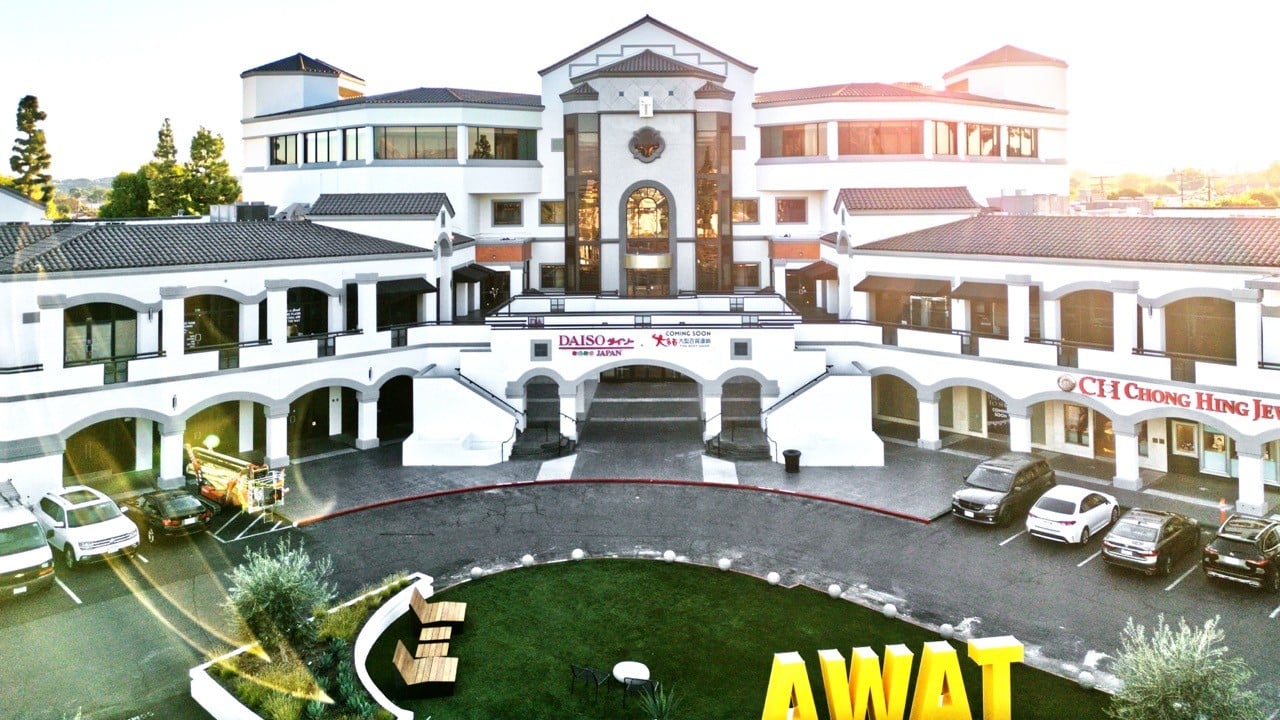
Sunny Skies Terrace has marked a significant milestone with the completion of the initial phase of the TAWA Gateway redevelopment in San Gabriel. Scheduled to unveil 14 new food, entertainment, and lifestyle retailers, this phase is set to begin welcoming customers in 2026 and carry into early 2027. These outlets are set to reflect current retail trends, focusing on consumer experiences rather than mere transactional shopping opportunities. As such, the TAWA Gateway aims to reinvent how retail can function amid digital competition, which has increasingly drawn customers away from traditional brick-and-mortar shops.
Community-Focused Vision
Jonson Chen, chairman of Sunny Skies Terrace, emphasizes that TAWA Gateway aims to be more than just redevelopment; it's a commitment to enhancing the San Gabriel Valley. This project strives to offer a vibrant space where residents and visitors can engage and enjoy the best the local community has to offer. You could say it’s about creating a destination that integrates dining, entertainment, and shopping, effectively positioning itself as a hub for community interaction. By prioritizing local businesses alongside well-known retail chains, the project aligns with a growing preference among consumers for supporting local economies. This trend is reshaping the retail dynamic and suggests that spaces designed with community engagement in mind may perform better in the long haul.
Visitor Traffic and Future Plans
Currently anchored by the bustling 99 Ranch Market, TAWA Gateway attracts nearly three million visitors each year. With ongoing capital improvements and renovations planned over the coming months, the center expects to remain operational throughout these enhancements. This consistent flow of visitors is key for a center that’s still evolving. Anchoring a space with such popularity is vital, especially as customer preferences continue to shift toward multifaceted experiences over simple conveniences. Facilities that can sustain high visitor traffic while undergoing redevelopment usually gain a competitive edge.
So, what does this mean for the future? Many similar redevelopment projects often see a spike in visitors post-renovation, particularly when they successfully enhance aesthetic appeal and operational functionality. However, the real success will depend on how the project integrates new retailers that resonate with local needs. If you’re working in this space, staying attuned to the evolving demands of the consumer can make or break a project like this.
Retail Sector Challenges and Opportunities
The retail sector is at a crossroads, caught between e-commerce's growth and shifting consumer preferences. This project illustrates an ongoing effort to adapt traditional retail to the modern landscape. With many physical stores shuttering due to online competition, projects like TAWA Gateway show a potential shift in strategy — not merely surviving but thriving by leveraging the collective experience of shopping and engaging with a community space. That said, it's important to acknowledge the potential pitfalls. If consumer habits continue to favor online shopping, even vibrant community-focused spaces could struggle to attract foot traffic.
The COVID-19 pandemic further accelerated many of these trends, pushing both consumers and retailers to reassess how shopping is done. The pressure on brick-and-mortar establishments has never been greater. In this climate, innovative projects like TAWA Gateway must be forward-thinking. They’ll need to constantly adapt and find unique ways to appeal to the modern shopper. It's a balancing act between drawing visitors in for the experience while also ensuring that new retailers can stand out amidst fierce online competition.
Implications for the San Gabriel Valley and Beyond
The implications of TAWA Gateway stretch beyond just its immediate area; they touch on broader trends affecting retail nationwide. If successful, this redevelopment could serve as a model for other cities grappling with similar challenges. The emphasis on community engagement over sheer foot traffic might shift perception around what consumers genuinely want from their shopping experiences. Projects that focus on local culture and community vibrancy could redefine “value” for consumers, making them more likely to choose similar venues over traditional shopping districts.
Ultimately, how TAWA Gateway performs after its full rollout will influence local economic dynamics. If it draws high traffic, it may encourage further investments in the San Gabriel Valley, enhancing real estate values and setting a precedent for future developments. Cities struggling to revitalize their retail sectors would do well to observe the trajectories of successful projects like TAWA Gateway.
(and this is the part most people overlook) If TAWA Gateway can successfully harmonize community needs with retail vitality, it won’t just change the local retail scene; it could indicate a broader shift in consumer preferences towards experience-driven environments. This is more significant than it looks; it’s about how we engage with our neighborhoods in ways that traditional retail hasn’t figured out yet.