RUA Studio's Playdeck Wins the Davidson Prize
RUA Studio has emerged as the victor of this year’s Davidson Prize with their concept known as Playdeck, a project that creatively reinvents decommissioned buses into multifunctional playgrounds for all ages. This endeavor reflects a broader trend in urban design focusing on sustainability and community engagement, tapping into existing resources rather than creating new infrastructure from scratch.
Transforming London's Buses
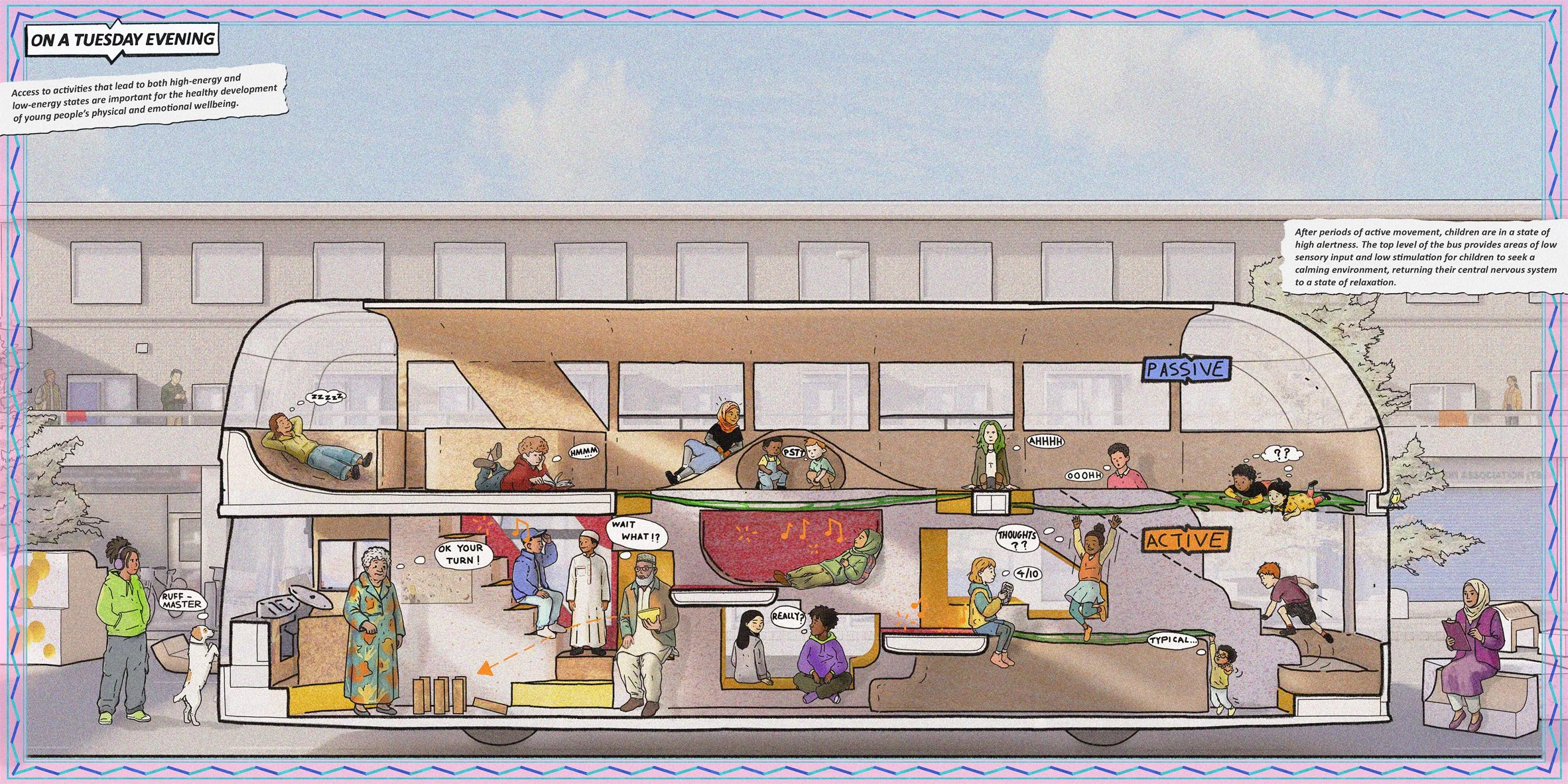
This proposal specifically underscores the fate of London’s iconic New Routemaster buses, which are scheduled for retirement by 2030. The vision is to transform these vehicles into mobile spaces that encourage play within residential areas, providing a unique way to address the shortage of playgrounds in many urban settings. By repurposing these buses, RUA Studio not only champions sustainability but also prioritizes community interaction through imaginative play.
The Creative Minds Behind Playdeck
The team behind this innovative design consists of RUA Studio members, including architects Ru Quan Phuah and Shaun Thomas, along with landscape architects Esther Yik Chi Chan, Carmen Du, Jessica Huynh, and Kelci Vittachi. They’re paired with clinical psychologist Owen Walker from Studio Egret West, forming a multidisciplinary group that brings varied expertise to the project. This diverse collaboration highlights how effective design often requires blending different fields — architecture, psychology, and landscape design — into a single compelling vision.
The Davidson Prize: Background and Purpose
The annual Davidson Prize, established in memory of architectural visualiser Alan Davidson in 2021, encourages groundbreaking designs related to the notion of home. This context gives the award a deeper significance; it’s not just about architecture but about how residential spaces can foster community and enhance lives. Each year's competition invites exceptional submissions that tackle pressing social and environmental issues, pushing the boundaries of traditional housing concepts.
Design Features of Playdeck
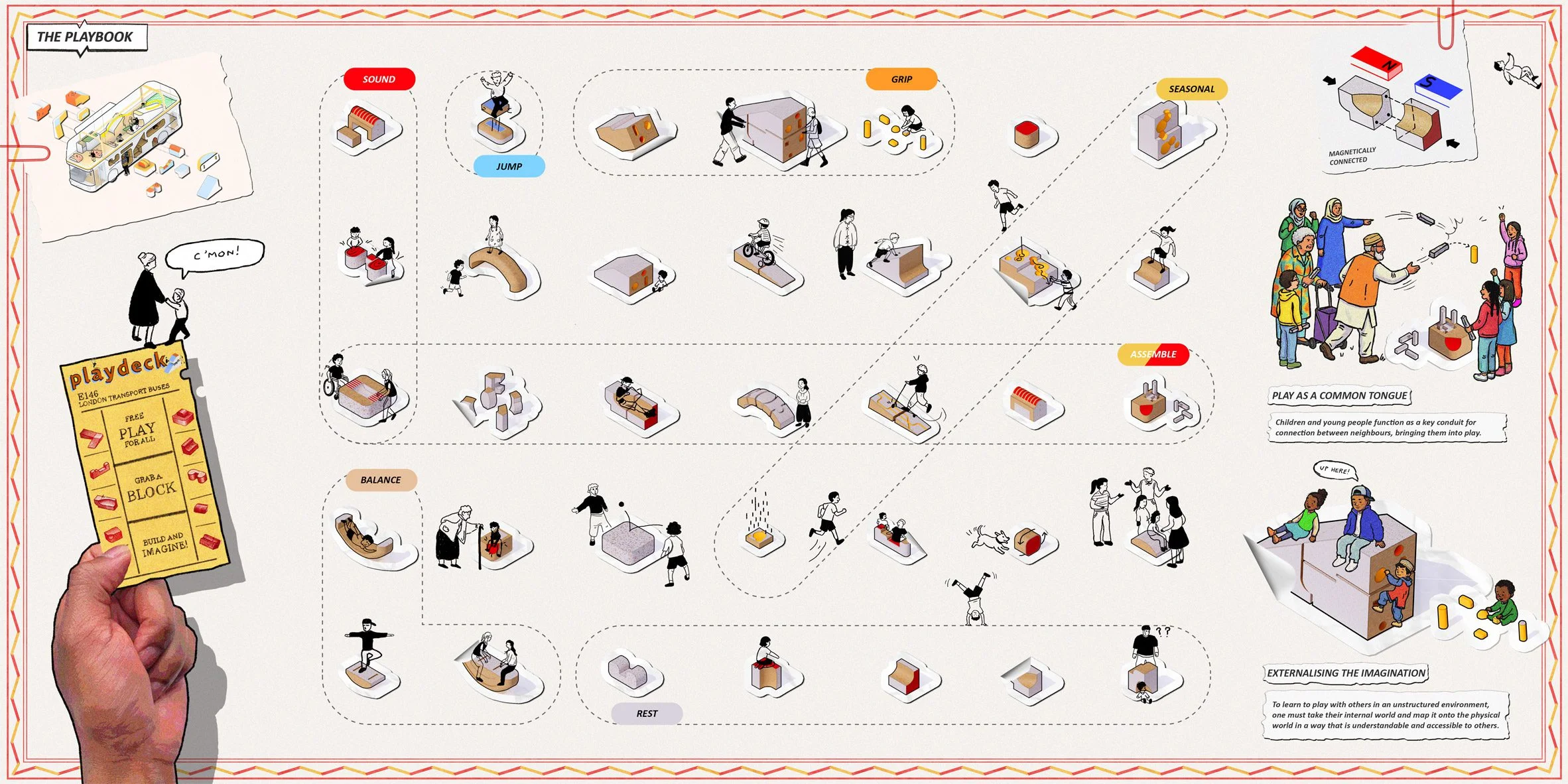
In Playdeck, buses are equipped with adaptable play structures like blocks and puzzle pieces that allow for climbing, creating music, and community interactions. Once parked in designated neighborhoods, these structures can be rearranged to facilitate play both inside and outside the bus. This flexibility is more than just functional; it speaks to the need for spaces that can evolve with their surroundings and the people who use them. Playdeck is an example of engaging design that responds to community needs, particularly in densely populated areas where space is often limited.
Jurors' Praise for RUA Studio
The jury, led by architect Deborah Saunt of DSDHA, praised RUA Studio’s skillful integration of architectural, landscape, and psychological expertise in the design. Saunt emphasized that the bus redesign not only supports circular economy principles but also addresses disparities in access to play areas throughout the city. This kind of critical thinking expands the conversation about urban play and inclusivity, pointing to the importance of equal access to recreational facilities, especially in urban environments where such spaces can be scarce.
The judges believe that Playdeck's temporary and mobile nature can create a lasting impact beyond its immediate setting. Each bus could rapidly meet play needs in various neighborhoods, helping foster communal ties whenever it appears. It’s impressive to think how a transformed bus might capture the imagination of children and adults alike, breaking down barriers in public spaces.
The Ideation Behind Playdeck
Playdeck was crafted in response to a brief titled Changing the Game: Building Play into Housing, which explores how playful environments can enhance residential life. The challenge to consider play as an integral part of housing design reflects a growing recognition that spaces where people live must also support social engagement and physical activity. RUA Studio triumphed among three finalists out of 12 shortlisted proposals, marking a noteworthy achievement within this competitive context.
Other Notable Finalists
Among the runners-up was a collaboration from Artform, CW Studio, Made It Together, and Civic and Social, advocating for prioritizing play over vehicular traffic. Another finalist, a team including Barr Gazetas, Trigon Fire Safety, and Adam Nathaniel Furman, proposed transforming an unused staircase in a multi-storey building into a play area. These competing ideas were not only imaginative, they also highlighted the necessity for urban spaces to adapt in order to promote healthier lifestyles and foster creativity among residents.
Financial Acknowledgment and Recognition
Each finalist received £5,000 to refine their concepts, with RUA Studio awarded an additional £10,000 for their winning idea. This financial support is significant, providing both validation and a resource for further development. A People's Choice Award recognized a project designed by BPTW and others, aiming to introduce climate-resilient play spaces in post-war housing developments. Such acknowledgment underscores the importance of community feedback in shaping future public spaces.
Looking Back at Previous Winners
Previous winners of the Davidson Prize have included Studio Saar in 2024 for envisioning retail spaces as housing and Studio Mutt in 2023, which designed independent living solutions in Liverpool. The continued success of these projects emphasizes a trend in architecture; the intersection of functionality, aesthetics, and community need is where innovative designs thrive.
Implications and Future Outlook
The emergence of projects like Playdeck suggests a significant turn in how urban environments approach recreational spaces. It's not just about converting old buses; it's about reshaping the fabric of community play while reinforcing environmental sustainability. If you're working in this space, consider this: what's being done to repurpose existing structures creatively? The concepts born from the Davidson Prize, with their emphasis on multifunctionality, can inspire similar initiatives elsewhere, generating new dialogues on play and community engagement. It raises questions about future urban planning — how will cities integrate play into their fabric as they continue to grow?
The images are by RUA Studio.