In Roehampton Village, southwest London, Stylus Architects has unveiled Green Lodge, a family home that creatively incorporates sunken lightwells to illuminate areas below ground. This innovative design addresses space limitations while integrating the building into its lush surroundings. Given the increasing urban density and the challenges of expanding living spaces, this approach highlights a trend in architecture that prioritizes environmental harmony alongside functionality.
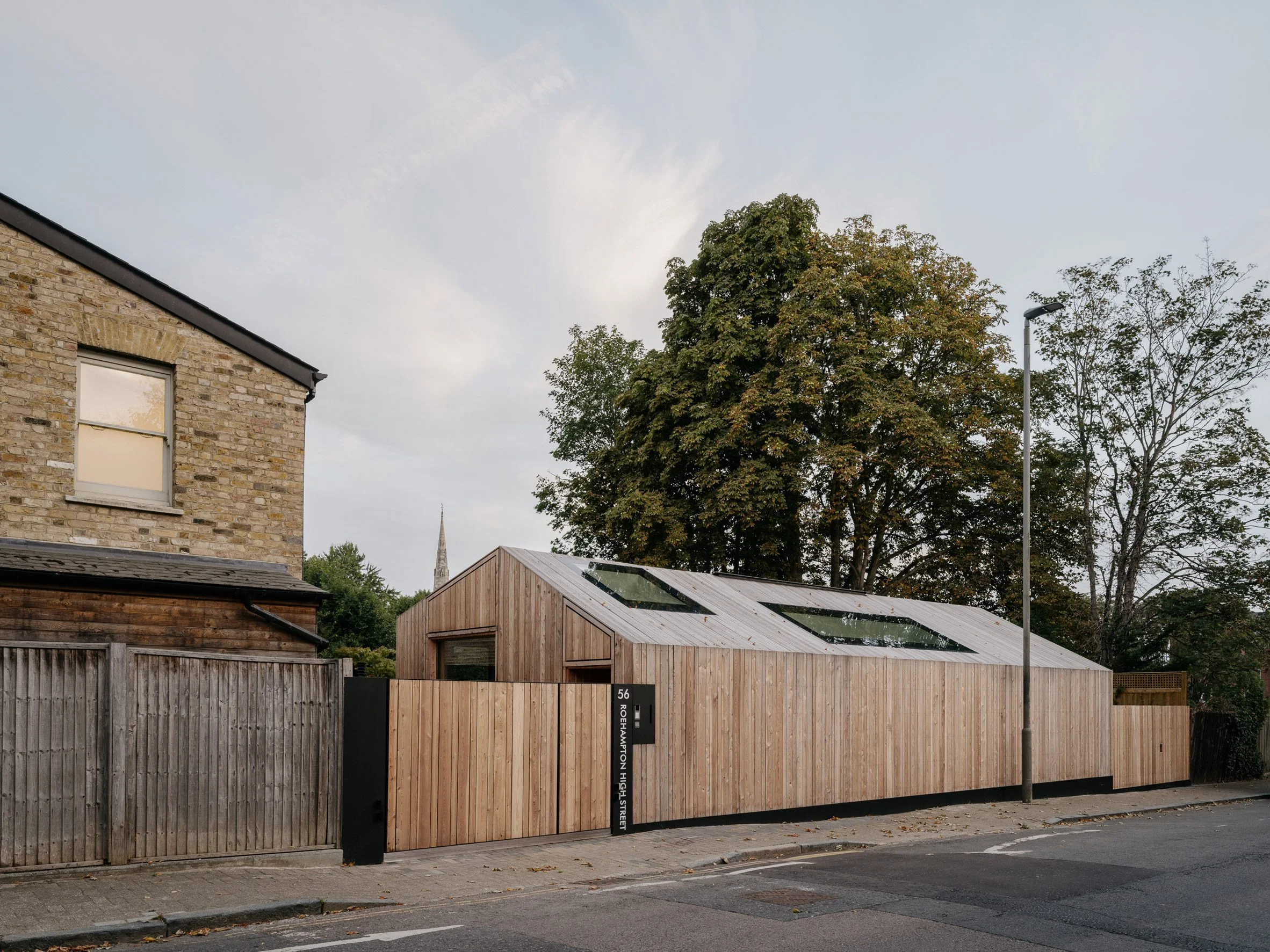
Situated on the edge of Putney Heath, the home is enveloped by a backdrop of mature trees, Gothic revival architecture, and period villas, making its positioning critical. Instead of expanding upwards, the architects opted to embed the majority of the structure within the landscape, showcasing only a single-storey element above ground. This decision not only respects local architectural styles but also minimizes visual disruption, allowing both the natural environment and the existing built character to coexist peacefully.
Planning Constraints and Design Philosophy
Stylus Architects faced significant planning constraints, which guided their design strategy. These limitations included regulations on building height and aesthetic coherence with the surrounding architecture. Lead architect Matthew Withers commented, "The site demanded restraint... any building that announced itself above ground would have felt at odds with its context." This perspective resonates in the broader discourse about how urban development should respond to existing environments. Often, architecture that ignores the context can not only disrupt but also diminish the value of adjacent properties.
Architectural Features and Daylight Strategy
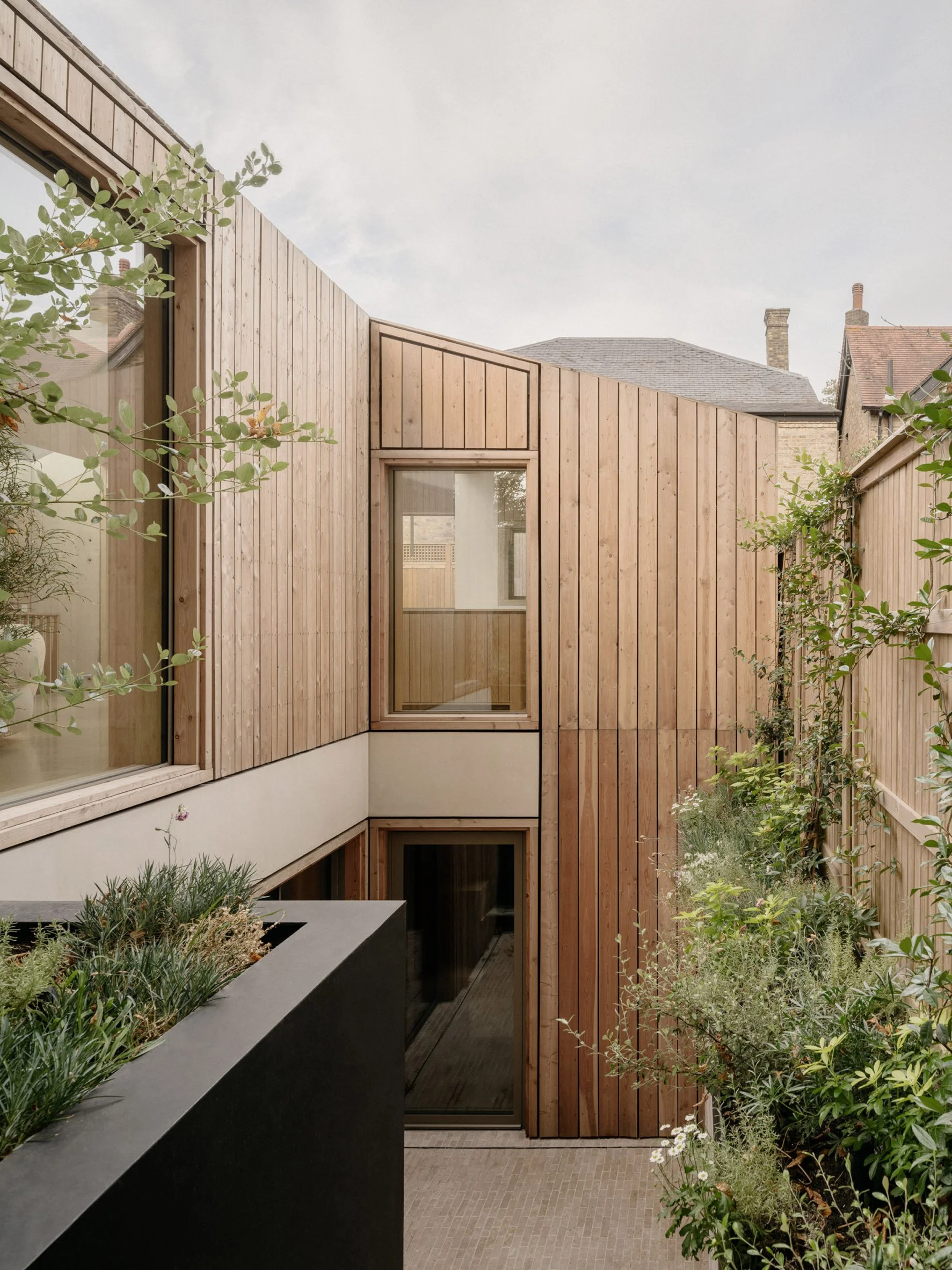
The home's organization revolves around two full-height concrete spine walls that extend from the basement to the roof, creating visual continuity. The upper level, featuring a vaulted ceiling, accommodates living spaces, while bedrooms and bathrooms are positioned below ground, benefiting from lightwell access. This design strategy cleverly repurposes commonly underused subterranean spaces into livable areas, challenging conventional perceptions of what finished basements can be.
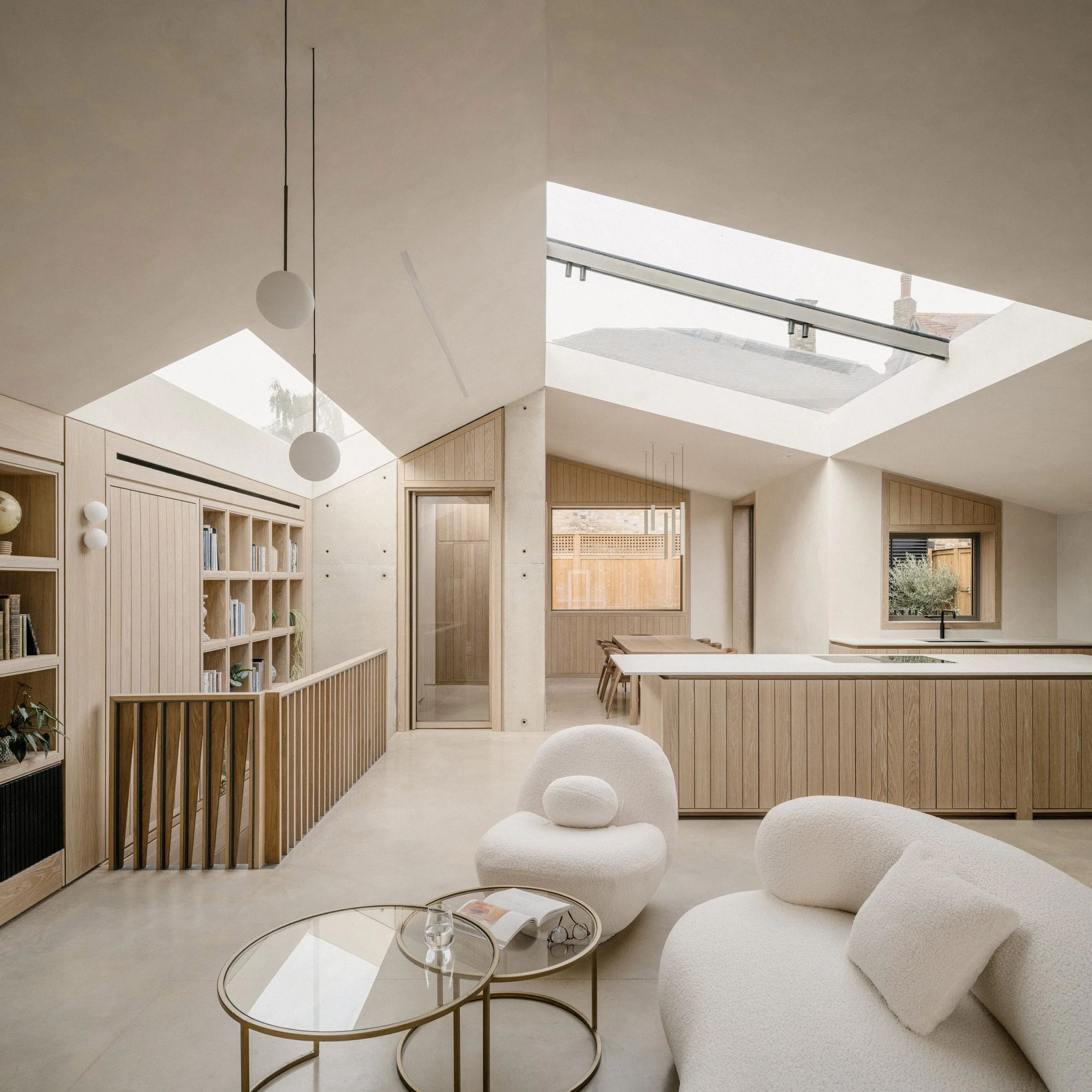
To prevent the lower-ground spaces from feeling like typical basement areas, a strategic daylight approach was paramount. “We needed to make sure that the lower-ground accommodation felt like primary living space rather than basement space,” Withers explained, emphasizing the integration of this concept from the design’s inception. This focus on natural light is crucial not only for aesthetic enjoyment but also for mental well-being, as studies have shown that access to natural light can significantly enhance the livability of a space.
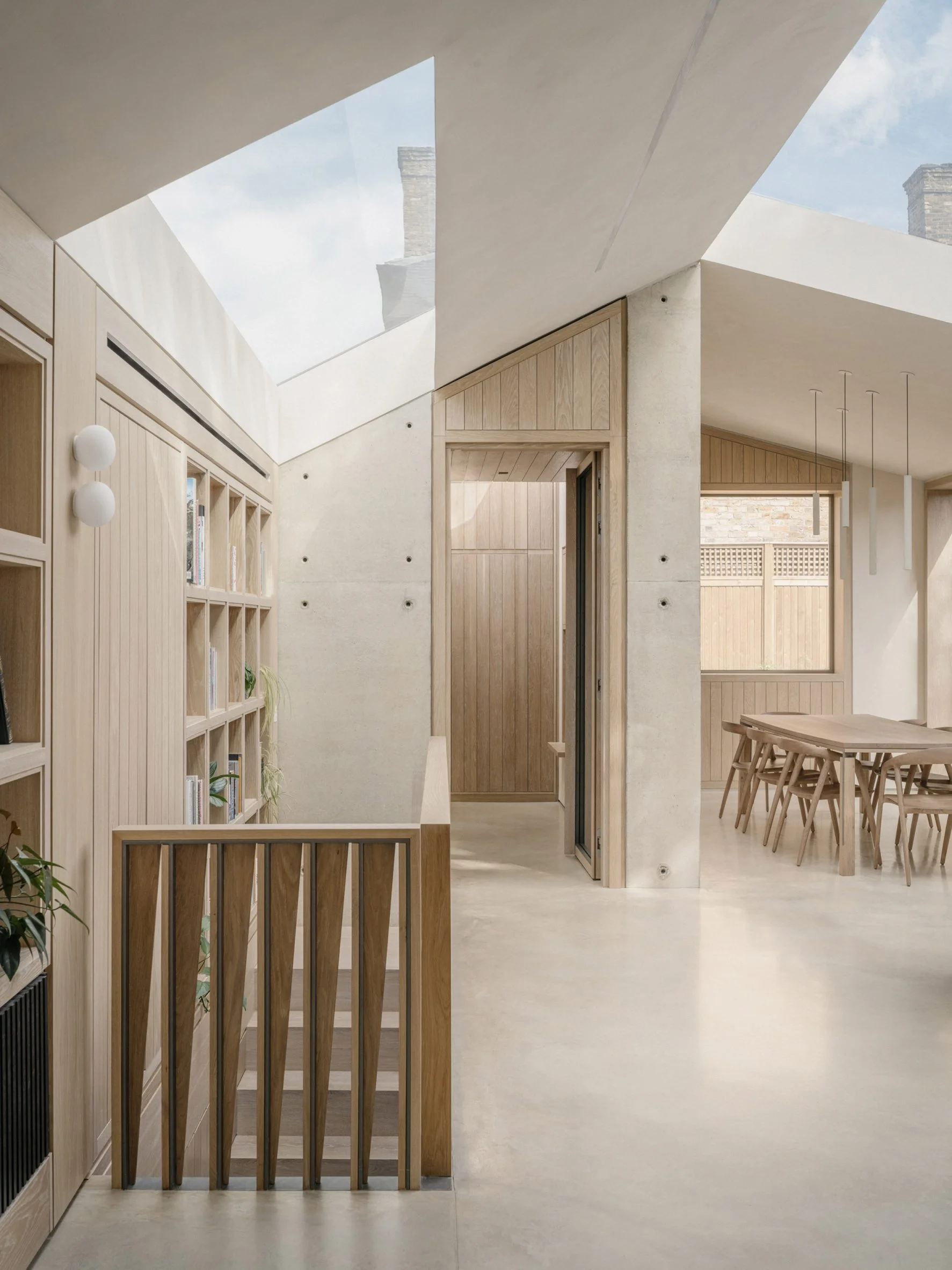
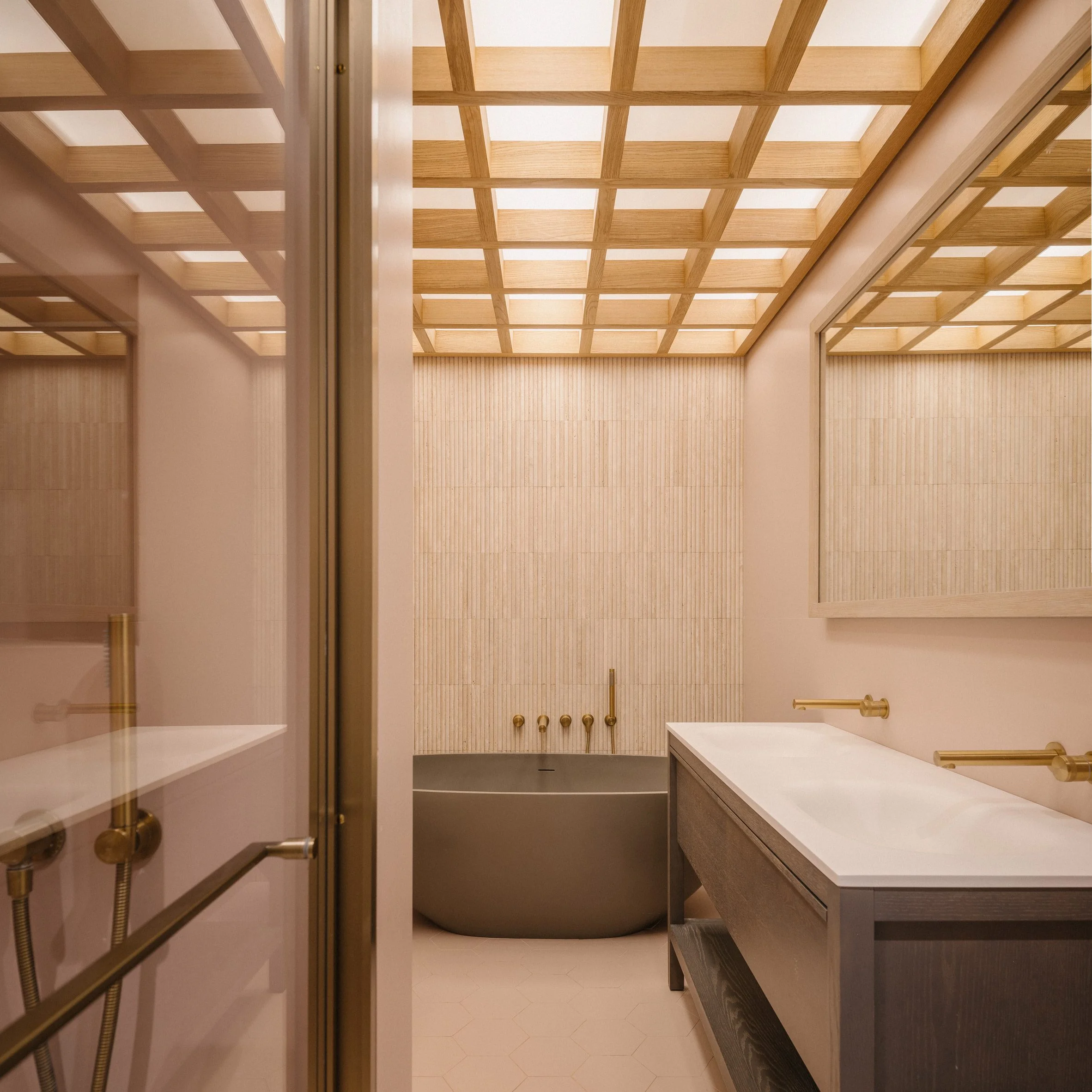
Two south-facing lightwells were excavated, allowing natural light into every subterranean bedroom and bathroom. These lightwells do more than simply provide illumination; they serve as connections to the outside world, creating a sense of openness that contrasts with typical underground settings. Additionally, rooflights above the staircase and distributed throughout the upper level serve to enhance the home's overall illumination, creating a harmonious flow of light throughout.
Material Selection and Environmental Performance
From the street, the residence presents a modest appearance, clad in untreated larch, which will mature to a silvery-grey hue. This choice of material is not simply aesthetic; it wraps not only the walls but also the roof, forming what the architects describe as a cohesive envelope. This integration of roof and wall contributes to the building’s overall performance and coherence, avoiding jarring transitions common in many modern constructions.
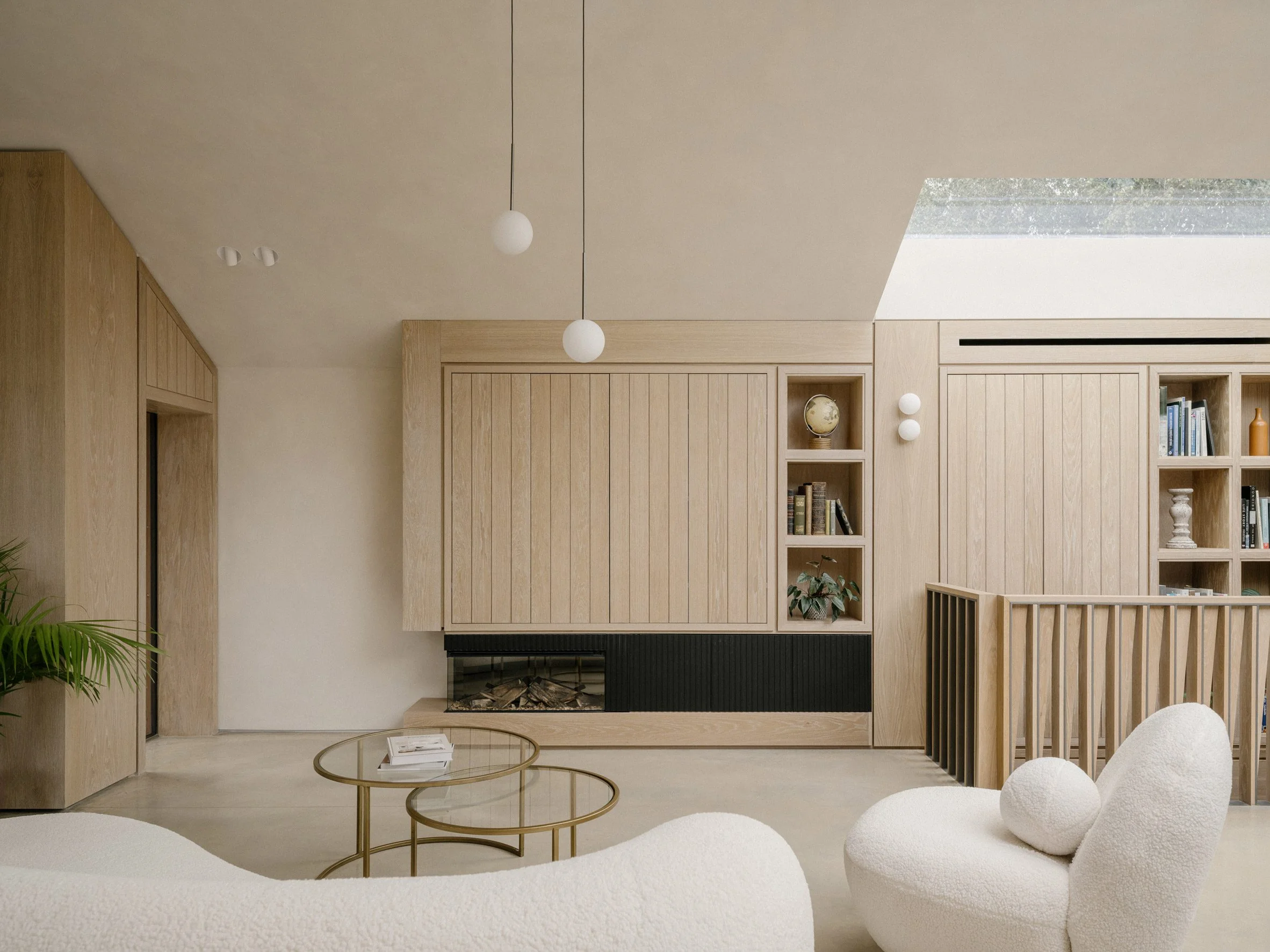
"The building will become progressively less visible and more embedded within its setting," Withers remarked, noting the approach taken to ensure the architecture complements the existing landscape. This strategy of using natural materials and colors helps the structure recede visually, which is particularly salient in areas that pride themselves on preserving historical continuity.
Internally, the concrete remains exposed, paired with oak joinery and polished concrete floors, displaying a raw yet refined aesthetic. Built-in furniture solutions enhance space efficiency throughout the design. (And this is the part most people overlook) — these functional choices not only heighten beauty but also foster a practical use of every square foot, something that is particularly important in urban settings where space is often at a premium.
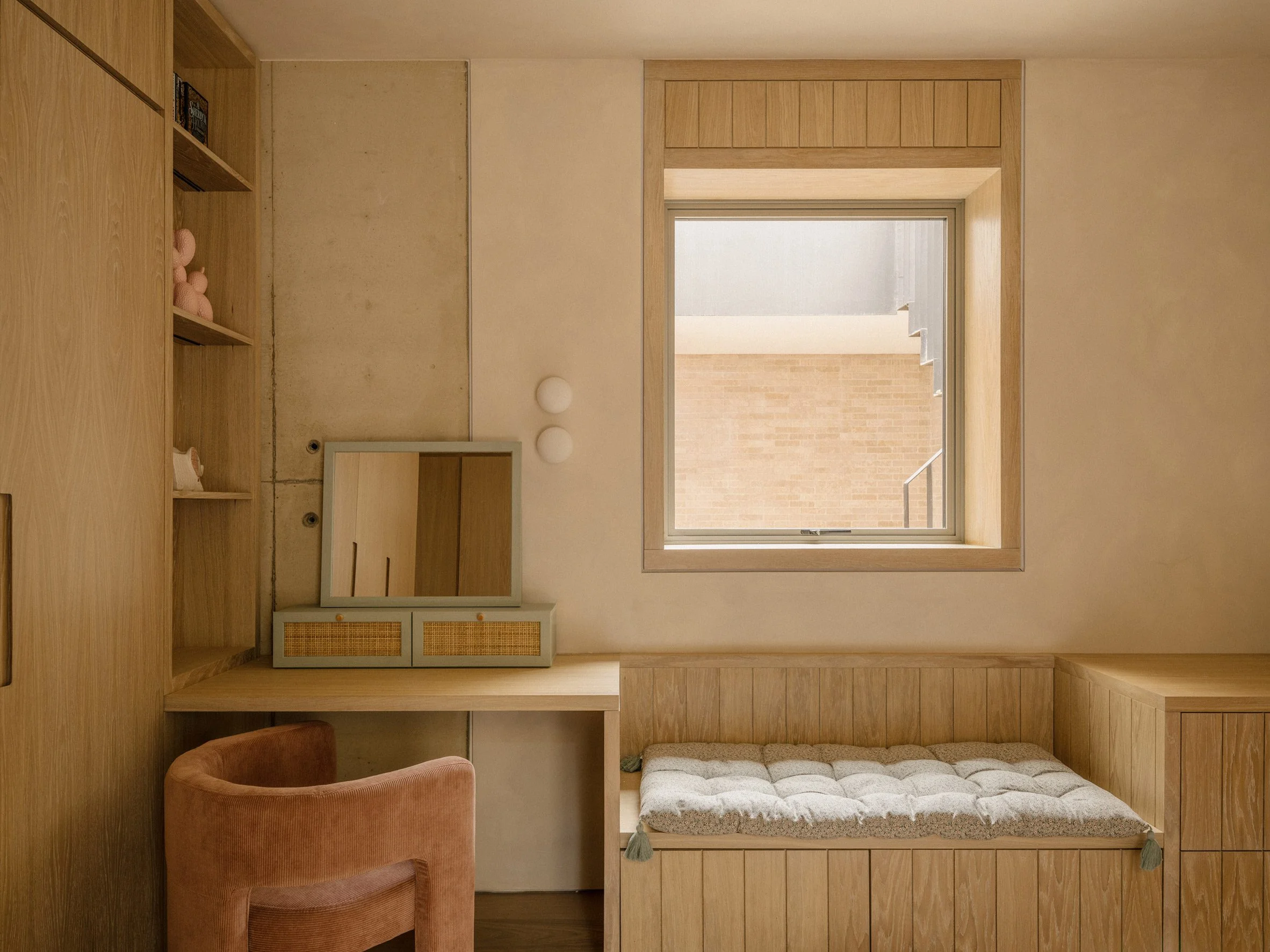
By embedding much of Green Lodge below grade, the design optimizes its environmental performance. The surrounding earth aids in regulating indoor temperatures, while the exposed concrete serves as thermal mass. This passive design strategy allows for lower energy consumption and supports a more sustainable lifestyle, which many homebuyers are beginning to demand as climate concerns rise.
The Broader Impact of Green Lodge
Established in 2017, Stylus Architects focuses on both residential and commercial design, led by Matthew Withers. The firm crafts spaces that harmonize with their environment, evident in Green Lodge and other projects around the globe. What this means for the future is significant: as urban centers grow, the demand for innovative solutions that address spatial and environmental challenges is likely to increase.
For a broader perspective, parallels can be drawn to similar homes that blend with their settings, such as a subterranean dwelling in Tehran and a villa nestled in Norway. These examples reflect a shared understanding that architecture must adapt to its environmental context. The commitment to preserving local character while providing modern amenities could set a new standard in how residential projects are envisioned.
This project could influence not only future residential designs but also municipal planning regulations, as there seems to be a growing favor for designs that embrace the surrounding ecology over those that dominate the skyline. For architects and developers, the implications of such a shift could be profound.
Photography by James Retief.