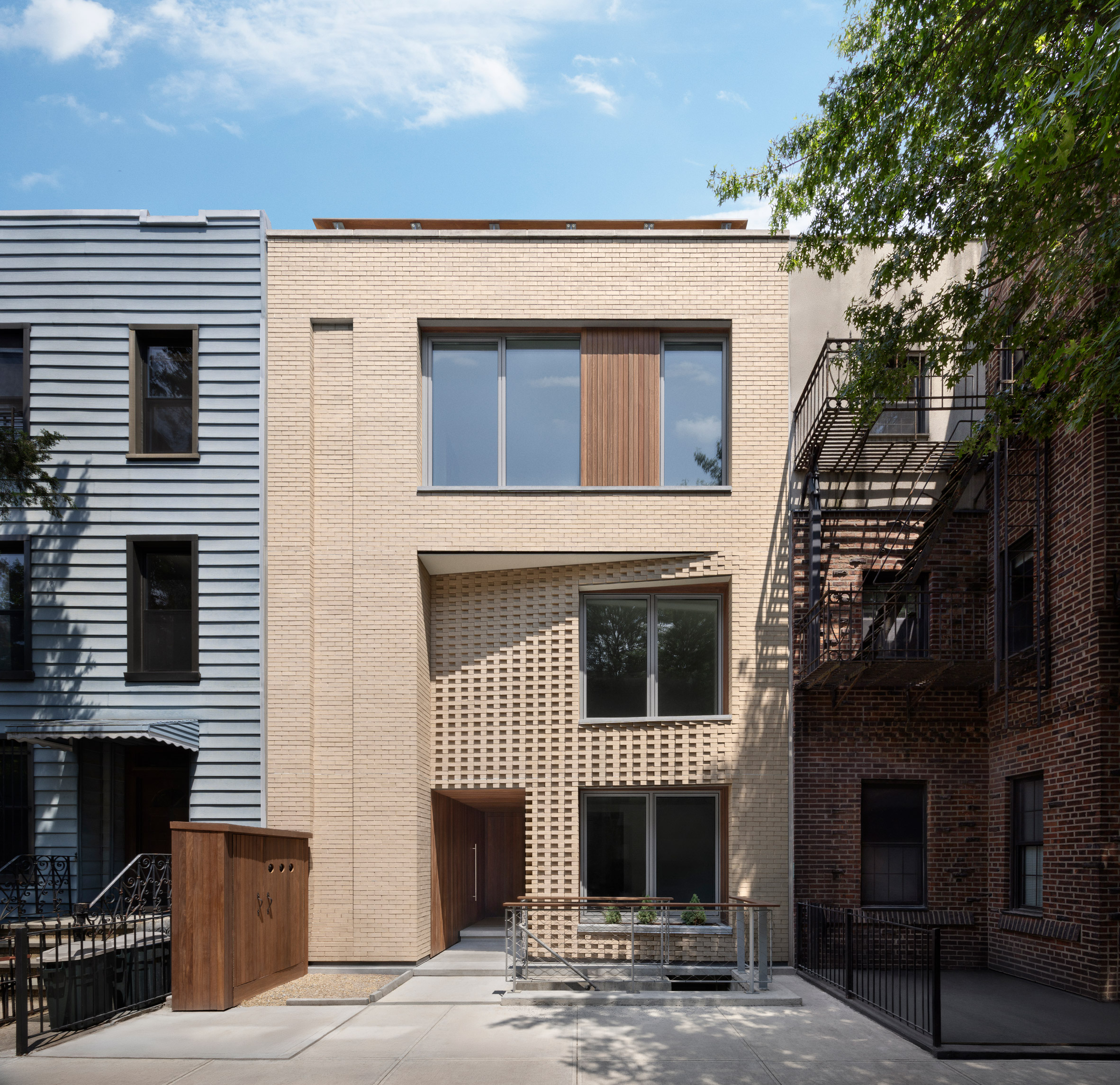
Pliskin Architecture has skillfully reimagined a Brooklyn rowhouse, constructing a two-family dwelling that embodies both modernity and local tradition. Located on Leonard Street, the completed project spans 6,000 square feet on an infill lot in the thriving neighborhood of Greenpoint.
In this design, a unified brick facade featuring an interlocking entry program interprets classic Brooklyn elements—such as masonry facades and shared stoops—while injecting a fresh perspective. "We drew from recognizable elements of Brooklyn rowhouses to create a building that feels familiar yet brand new," noted founder Barak Pliskin.
Design and Material Considerations
The surrounding buildings reflect a variety of materials and architectural styles, which influenced the design of this rowhouse. Adjacent homes range from blue-sided structures to those clad in red brick, emphasizing the neighborhood's eclectic character. This diversity is not just aesthetic; it speaks to Brooklyn's evolution over the decades. Pliskin Architecture’s approach honors this diversity by creating a facade that integrates into the street's aesthetic while pushing boundaries just enough to signal the potential for future designs in the area.
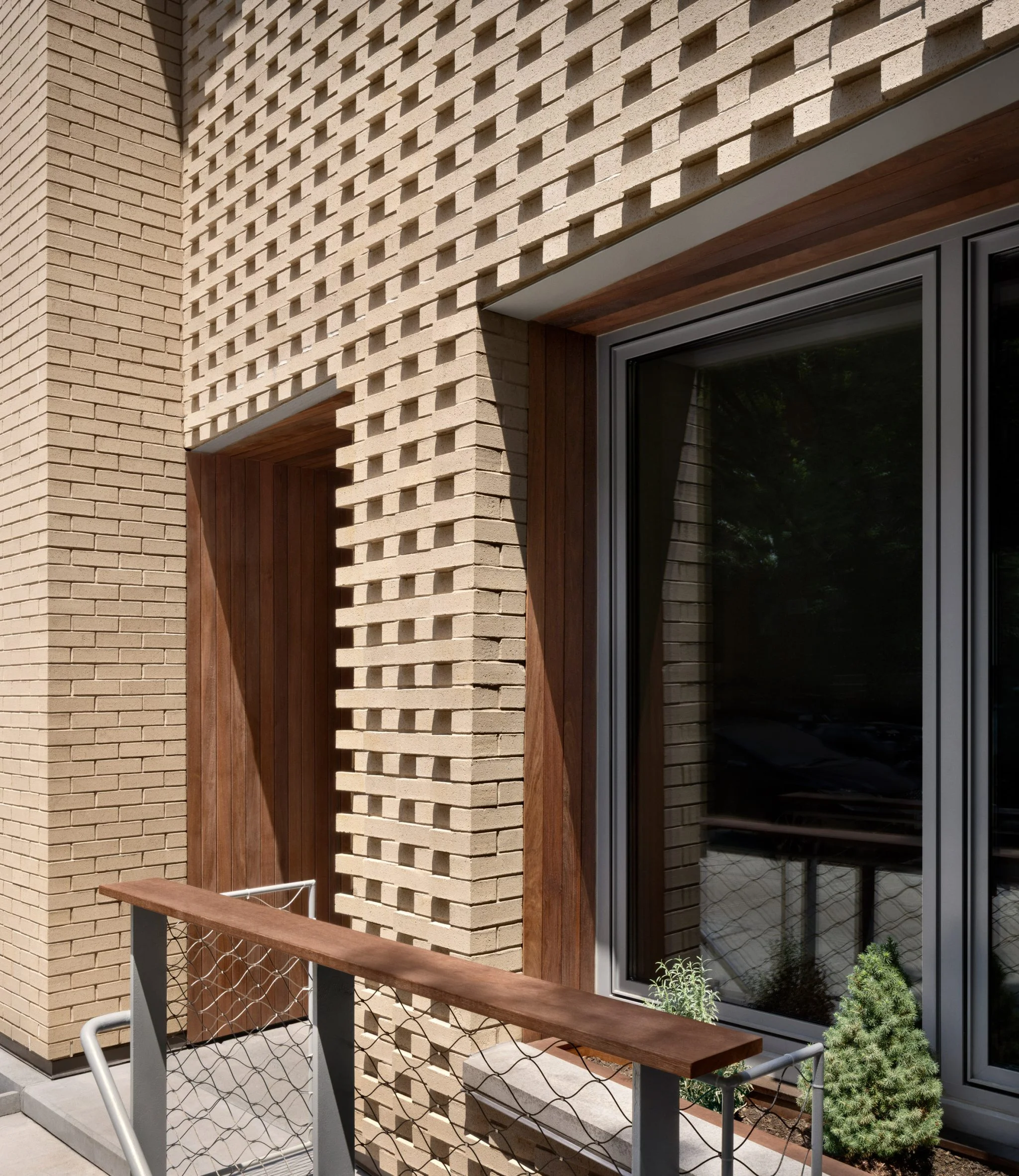
“Our project aimed to fill this gap with a new facade that pays tribute to the block's original brick facades while gently pushing and pulling the brick to define two homes and create a shared, welcoming threshold for both,” the studio explained. This balancing act is far from simple. By respecting the traditional while incorporating contemporary elements, the firm addresses the ongoing debate about preservation versus modernity in urban settings.
Built upon an existing foundation, the new facade relies on a light sand-colored brick system designed to limit thermal bridging and enhance energy efficiency. This strategy, coupled with high-performance aluminum windows, reduces operating costs and surpasses local energy codes. The design doesn't merely comply with regulations; it sets a benchmark for energy-efficient urban living, a point increasingly significant as cities grapple with environmental impacts.
Interior Layout and Features
The layout of the two units is a masterclass in design, allowing for both privacy and connectivity. The townhouse offers a street-level bedroom that can double as an office or in-law suite, alongside a combined kitchen, dining, and living space that flows into a private backyard through expansive sliding glass doors. This fluidity is increasingly sought after in urban homes, where space is premium, and family dynamics are often in flux. The upper floor boasts three bedrooms and two bathrooms, while the below-grade level provides a large, versatile area for various uses, accommodating everything from a home office to a media room.
In contrast, the penthouse encompasses the third, fourth, and rooftop levels, accessed by a private elevator. This layout prioritizes vertical space, which is often underutilized in traditional designs. That said, the penthouse features a stunning skylight that illuminates the stairwell, enhancing the home's airy aesthetic. The main living areas overlook the tree-lined street, while the primary suite takes advantage of serene views of the backyard. This level of consideration for environmental light and sight lines can significantly enhance a homeowner's experience.
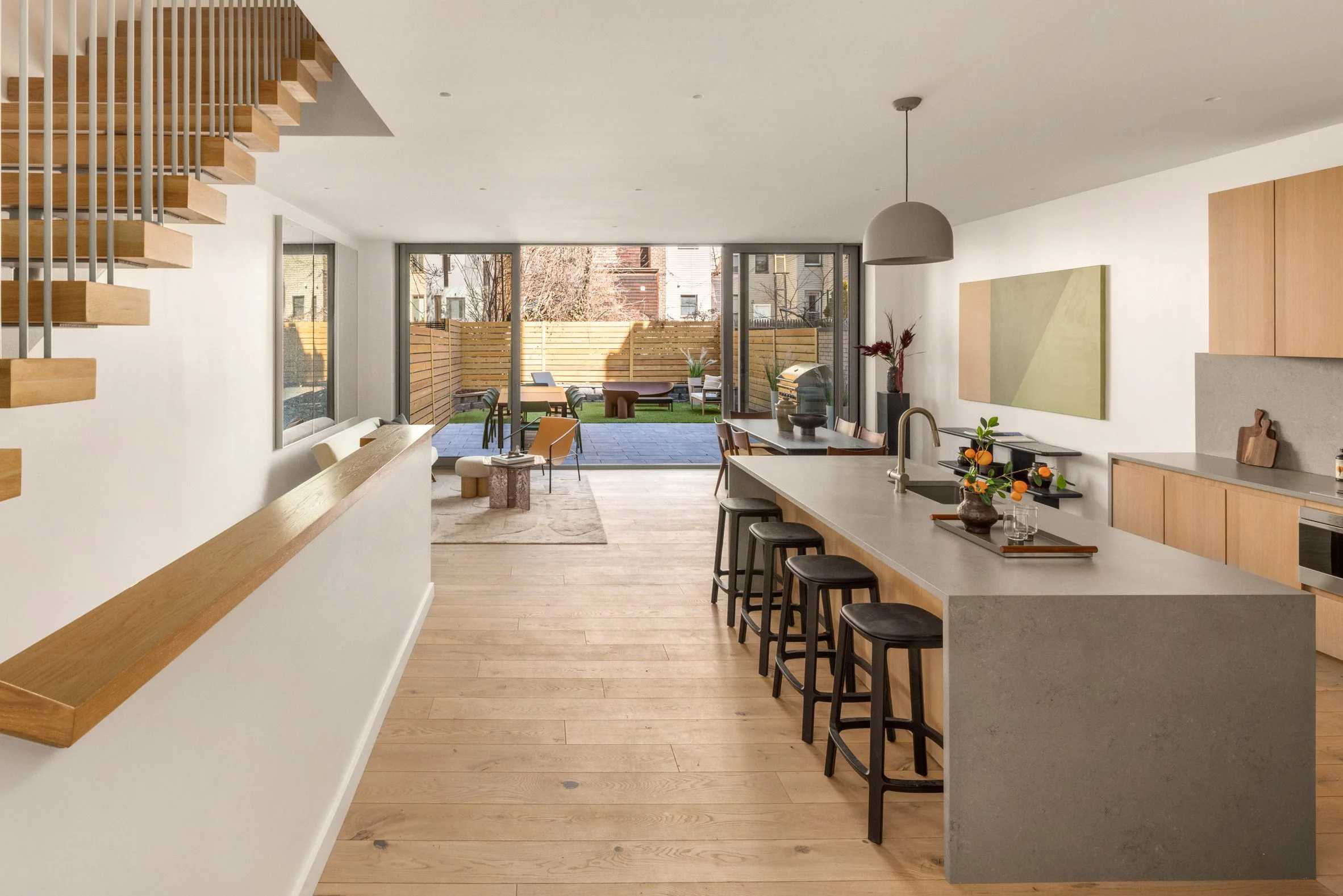
Both units feature European oak flooring, light oak millwork, and a combination of terrazzo and subway tiles, providing a cohesive design throughout. The arrangement of the facade subtly delineates the two residences, with thoughtful details like a picture window and a recessed glass feature that visually connect the penthouse to the sky while anchoring the townhouse. This interplay of materials not only serves functional purposes but also contributes to Brooklyn’s dialogue on contemporary design versus nostalgic architectural language.
A Thoughtful Integration
Pliskin Architecture emphasized a delicate balance between structure, systems, and varying programs. “It was an intricate and delicate puzzle to ensure structure, systems, and program aligned elegantly,” the firm stated, showcasing their commitment to creating a harmonious living experience from the street to each space. This duality highlights not just architectural ingenuity, but also a thoughtful integration into the historic fabric of Brooklyn. Urban density promotes a unique opportunity for architects to redefine communal living while respecting their surroundings.
A recent surge of distinctive designs in Brooklyn, such as cantilevered homes in Williamsburg and innovative renovations in Carroll Gardens, further underscores the borough's dynamic architectural evolution. The rise of such designs indicates a growing trend, where new constructions are increasingly viewed as part of the narrative rather than a disruption of the existing story of a neighborhood. (and this is the part most people overlook) This suggests an emerging willingness among residents and developers alike to embrace both innovation and heritage without casting one aside for the other.
Implications for the Future of Urban Design
What this means for you in real estate is clearer than ever: neighborhoods like Greenpoint are becoming laboratories for modern architectural solutions that respect tradition. The conversation around housing is shifting—it’s about creating spaces that not only house but also enhance community ties. Architects are under pressure to incorporate sustainable and aesthetically pleasing designs, which are becoming key selling points for developers and homeowners alike. For those in the industry, observing and understanding these emerging trends can provide insights into future development opportunities.
Moreover, the responses from local communities are crucial as they navigate the intricacies of gentrification and neighborhood identity. While some may welcome contemporary designs, others might resist them, desiring to preserve historical aesthetics. Balancing these perspectives will be key in future projects, as the architectural community continues to face scrutiny over how they engage with the areas they're transforming.
The top photo is by David Mitchell.
Project credits:
Architecture: Pliskin Architecture, Barak Pliskin, Nishant Jacob, Samuel Warden-Hertz
Styling: Monomid Design Studio
Client: LTNG
Structural engineering/MEP engineering: Sharon Engineering
Expediter: KM Associates