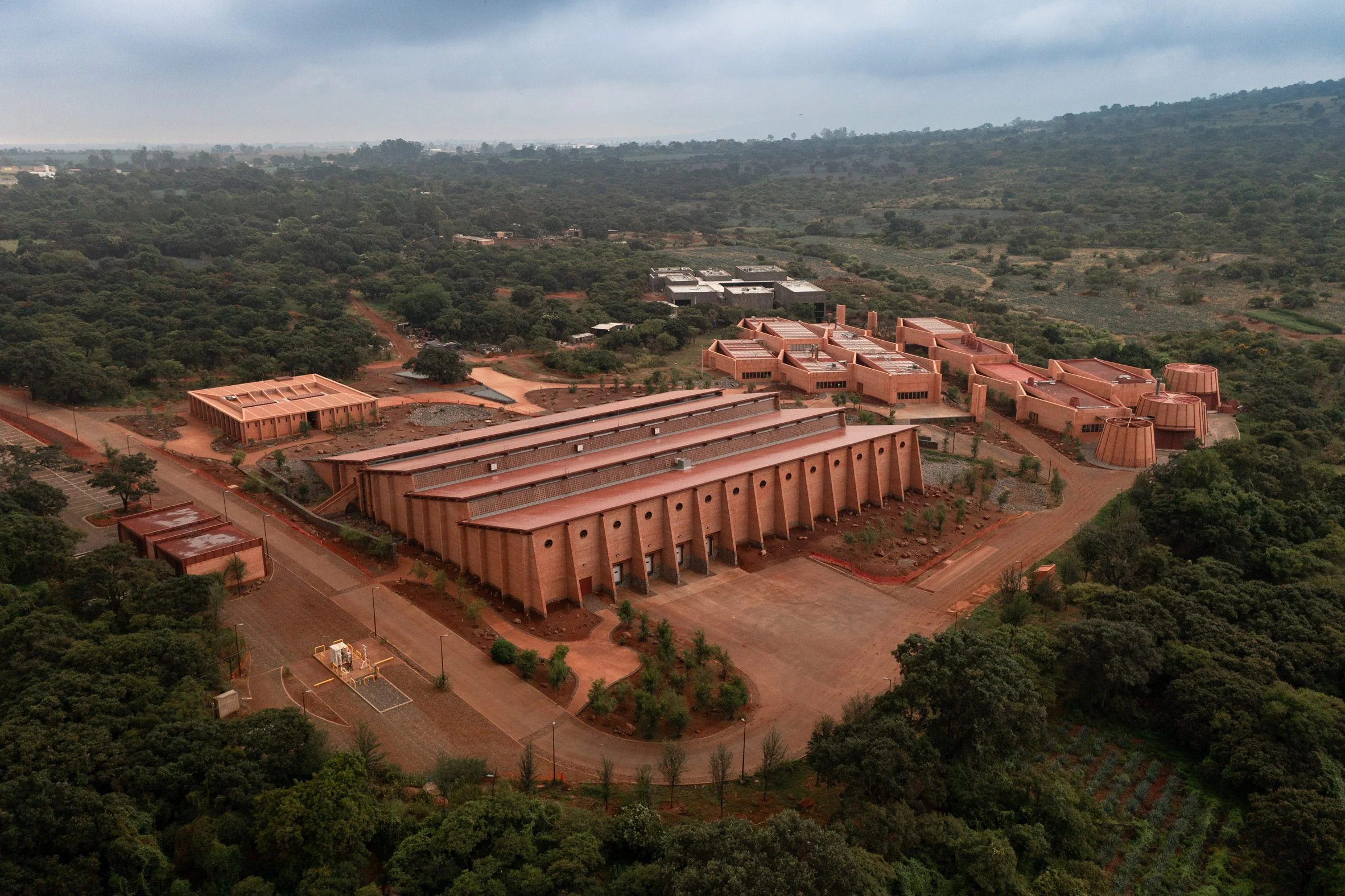
A remarkable multi-building complex known as La Hacienda has emerged, commissioned by Clase Azul, a prominent tequila brand, nestled in the picturesque highlands of Jalisco, Mexico. Featuring a blend of artisanal techniques and industrial execution, this complex is designed to unify production, storage, and cultural engagement around tequila. The vision for La Hacienda not only reflects a dedication to quality in tequila production but also represents a deeper connection to the cultural heritage of Mexico, emphasizing the significance of this iconic spirit to the nation’s identity.
The ambitious project, spanning 22 hectares, was initiated by Clase Azul founder Arturo Lomelí, who sought submissions from five distinct architectural firms to create a cohesive vision that would elevate the craft of tequila production alongside Mexican heritage. In doing so, Lomelí not only aims to enhance the tequila brand's reputation but also to weave a richer narrative about the cultural landscape of Mexican spirits. This complex promises to be more than just a winery; it reflects the intersections of art, culture, and craftsmanship.
Collaborative Architectural Vision
The complexity of the project prompted collaboration among local architecture studios, including Atelier ARS, Elías Rizo Arquitectos, Estudio Macías Peredo, Tacher Arquitectos, and Huber Design Studio, with Atelier ARS taking the lead in master planning. Each firm was responsible for different buildings within the complex, ensuring a unified yet diverse architectural expression. This collaboration isn’t just about aesthetics; it embodies the communal spirit of Mexican culture, where multiple voices come together to create something impactful and unique.
The design aims to foster educational experiences related to Mexican culture and tequila production, ensuring visitors gain insight into the rich traditions behind the craft. With a deliberate focus on creating an inviting space for public engagement, the architects designed the complex to facilitate tours, workshops, and tastings that celebrate both the artistry of tequila production and the importance of cultural preservation.
Structural Highlights
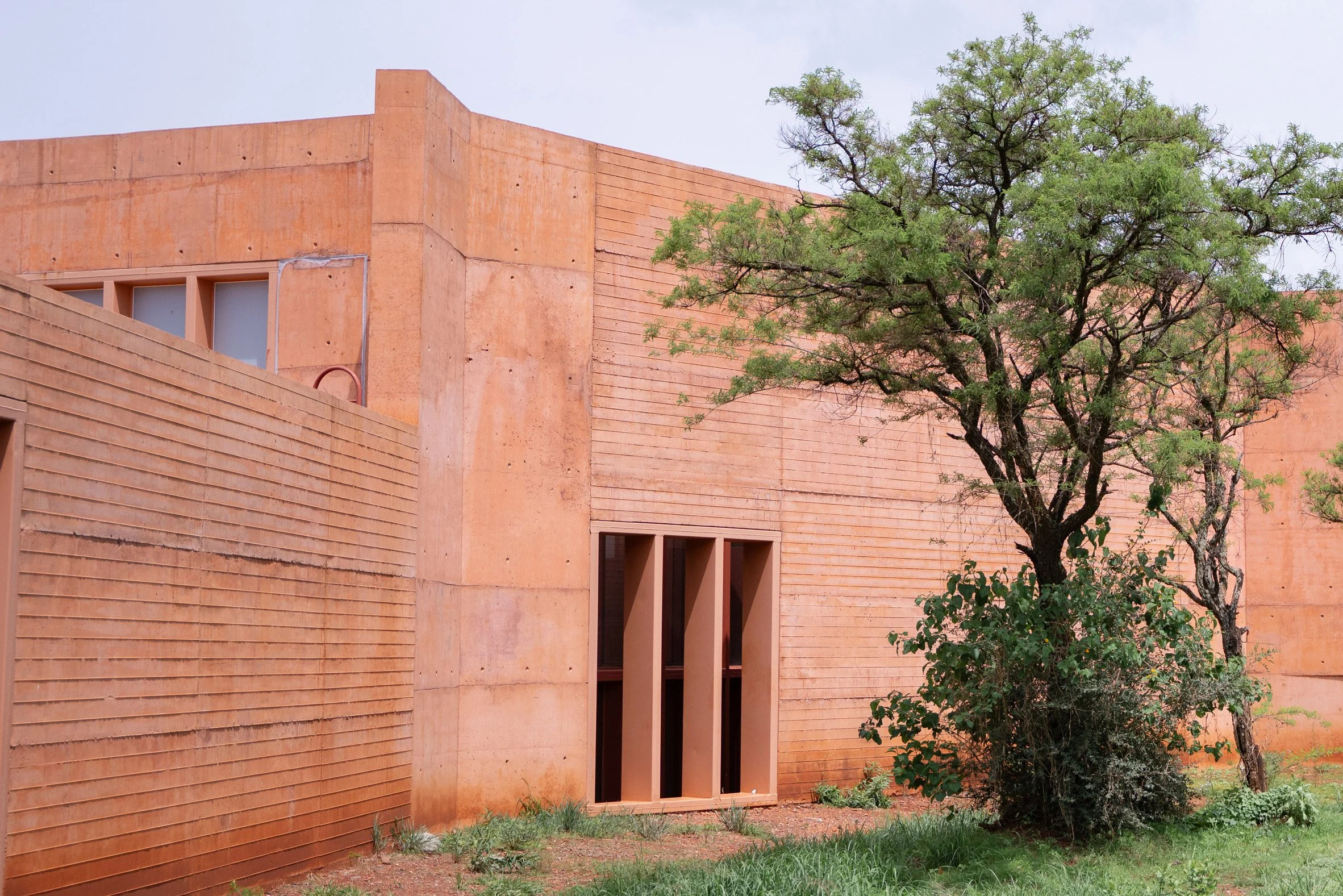
Construction began in 2017 and comprises several clusters of red-hued buildings, made from pigmented concrete, brick, and metal. This color palette reflects the abundant iron in the Jalisco soil, further enhancing the connection to the locale. Such careful attention to material choice is a hallmark of projects that prioritize authenticity and sustainability, underscoring the efforts to harmonize the built environment with its natural surroundings.
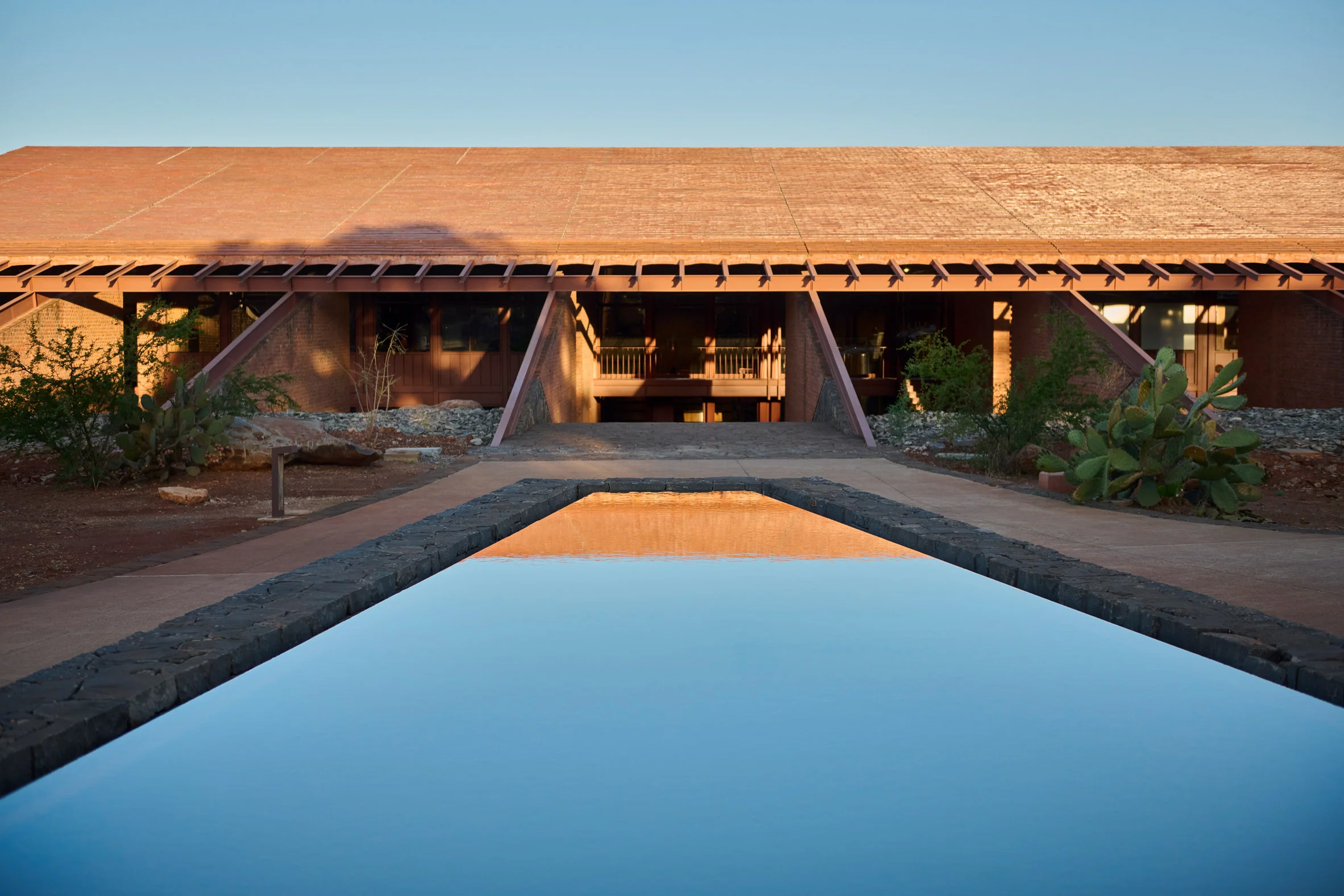
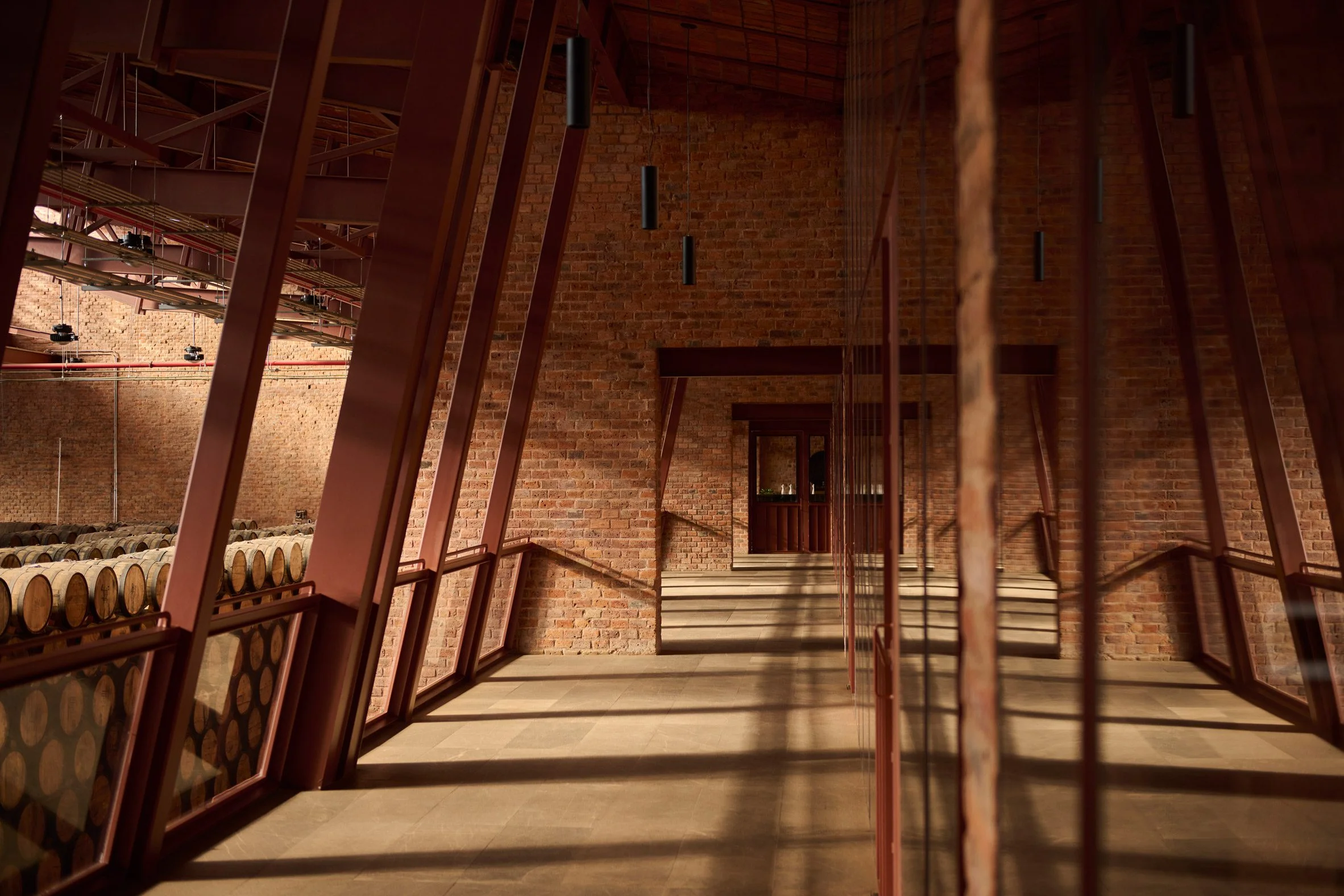
Atelier ARS's design features a standout bottling nave with a sawtooth roof and load-bearing brick and Catalan vaults. Notably, part of the building is submerged, a clever move to maintain unobstructed views of the surrounding landscape. This approach is indicative of a trend in architecture that seeks to embrace the environment, creating structures that coexist with nature rather than dominate it. The interplay between the built forms and the landscape of agave fields offers a visual and experiential richness for both visitors and producers alike.
“To achieve the scale we envisioned, substantial metal support was integrated without compromising the artistry,” said Lomelí, highlighting the balance between modern techniques and traditional craftsmanship. Such a balance might be more significant than it looks—it's a reflection of the commitment to not only innovating but also honoring the deep roots of the craft.
Community and Cultural Commitment
The design philosophy of La Hacienda not only intends to showcase architectural prowess but also commits to supporting local artisans and enhance production techniques. By utilizing local materials, the project creates job opportunities and strengthens community ties. This emphasis on community engagement serves as a reminder of the broader implications of such initiatives—they can invigorate local economies and preserve cultural traditions, fostering a deeper appreciation for the craft beyond mere consumption.
Guerrero of Atelier ARS pointed out, “Our material choices aimed to benefit local producers and artisans significantly, reflecting our commitment to the community.” This highlights an essential truth: that the act of building can either isolate or unite. The architectural choices made here are intentionally geared toward the latter, presenting a model for how commercial endeavors can coexist with cultural and social responsibility.
A Multifaceted Experience
The complex is interspersed with pathways that thoughtfully navigate between structures, blending functionality with aesthetics. Visitors encounter a striking contrast of modern design elements within the natural setting of agave fields and oak groves. This design blurs the lines between indoor and outdoor spaces in a fashion that invites exploration and encourages interaction, ensuring that La Hacienda becomes a memorable destination for guests.
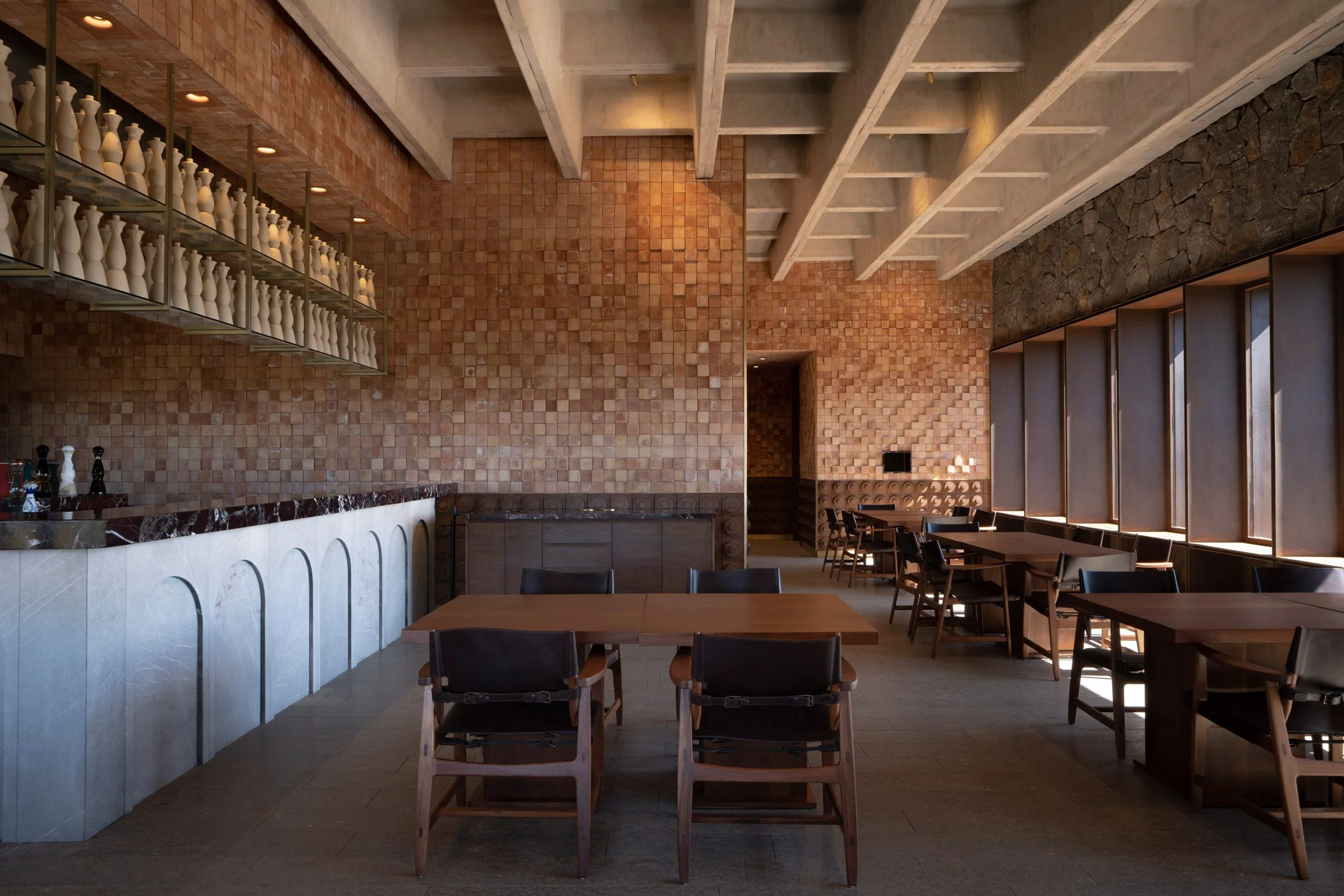
The expansive bottling nave is not only a production facility but also serves as a focal point for the complex. It connects directly with various visitor amenities, including a restaurant named OYA, designed with a geometrically rigorous exterior. This culinary space aims to elevate traditional Mexican cuisine, further enhancing the visitor experience by connecting them with the cultural roots of what they consume. After all, food and drink don’t exist in isolation; they are integral to the stories we tell and share.
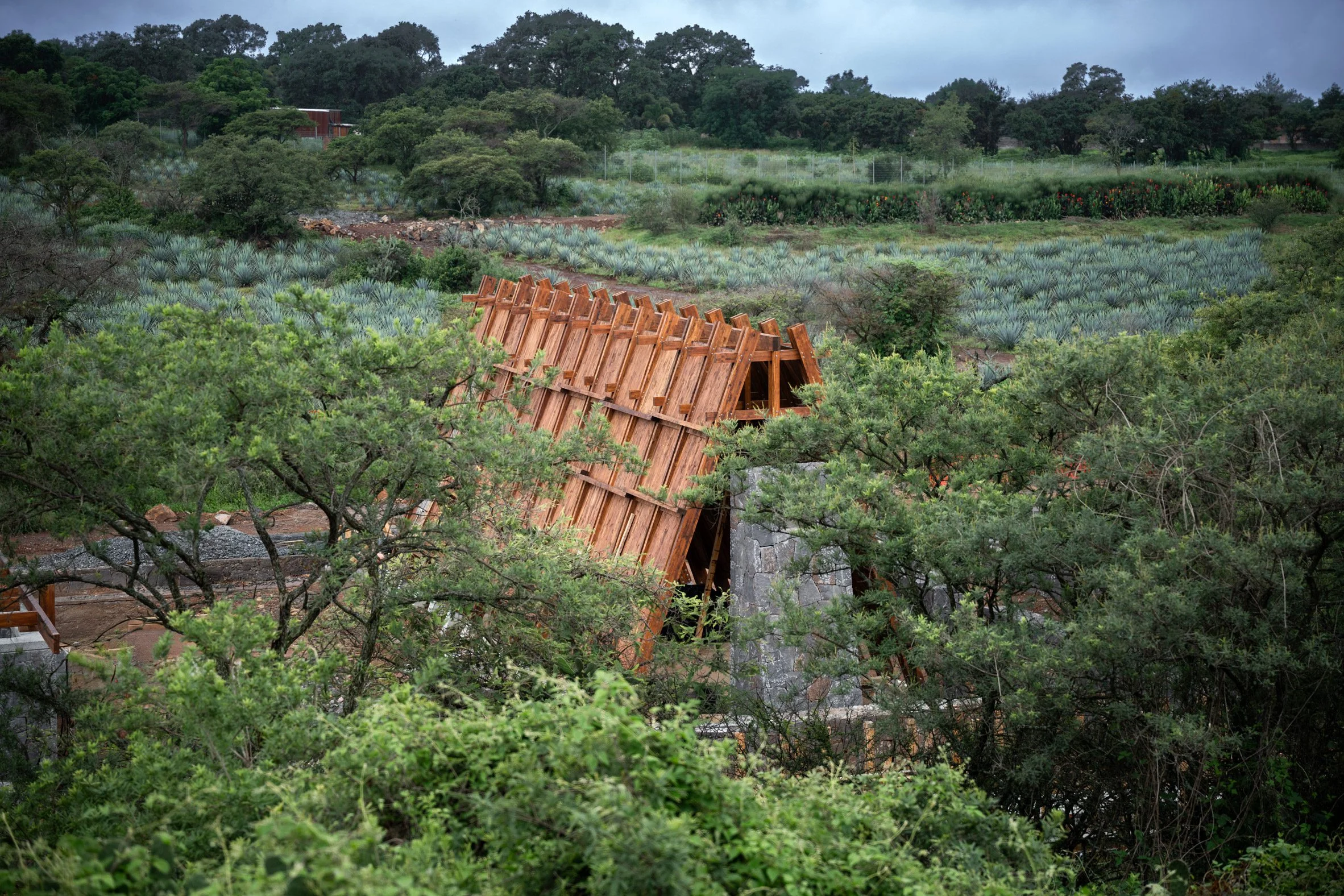
Additional facilities include a ceramics and tequila factory designed by Estudio Macías Peredo, characterized by hive-like red-pigmented external walls that invite exploration and interaction. The emphasis on creating inviting spaces reflects a contemporary understanding of visitor engagement grounded in the recognition of local culture, making the experience both educational and enjoyable.
A Lasting Legacy
As a testament to Mexican culture and craftsmanship, La Hacienda aims to leave an enduring impact. “We are rooted in our Mexican culture, designing a space that transcends generations,” Lomelí stated, envisioning a future where the complex continues to celebrate its heritage long after its creators. This is about more than just producing tequila; it’s about crafting a legacy that educates and inspires future generations regarding the significance of this indigenous spirit.
With structures designed to engage visitors and promote traditional Mexican cuisine, La Hacienda serves not only as a functional facility for tequila production but also as a cultural hub, transforming the narrative around tequila and its significance in Mexican heritage. What this means for you, the reader, is that this complex has the potential to redefine how tequila is perceived—not merely as a drink but as a vital component of Mexican cultural identity.
Future Outlook: Implications for Local Culture and Economy
The implications of La Hacienda extend far beyond its boundaries. As the tequila industry continues to grow, projects like La Hacienda could serve as templates for future developments aiming to intertwine production with cultural heritage. This kind of development not only uplifts a brand but also brings global attention to local practices and craftsmanship, enriching the cultural narrative surrounding tequila.
If you’re working in this space, consider how the integration of local culture and sustainability can impact your projects. The demand for authenticity is rising among consumers, and endeavors like these show that it’s possible to celebrate and preserve heritage while also making a business viable. As tourism increases, local artisans and producers can expect better opportunities, creating a ripple effect of benefits throughout the community. And yet, the challenge lies in maintaining this vision, ensuring that profit does not compromise the fundamental values that this project strives to embody.