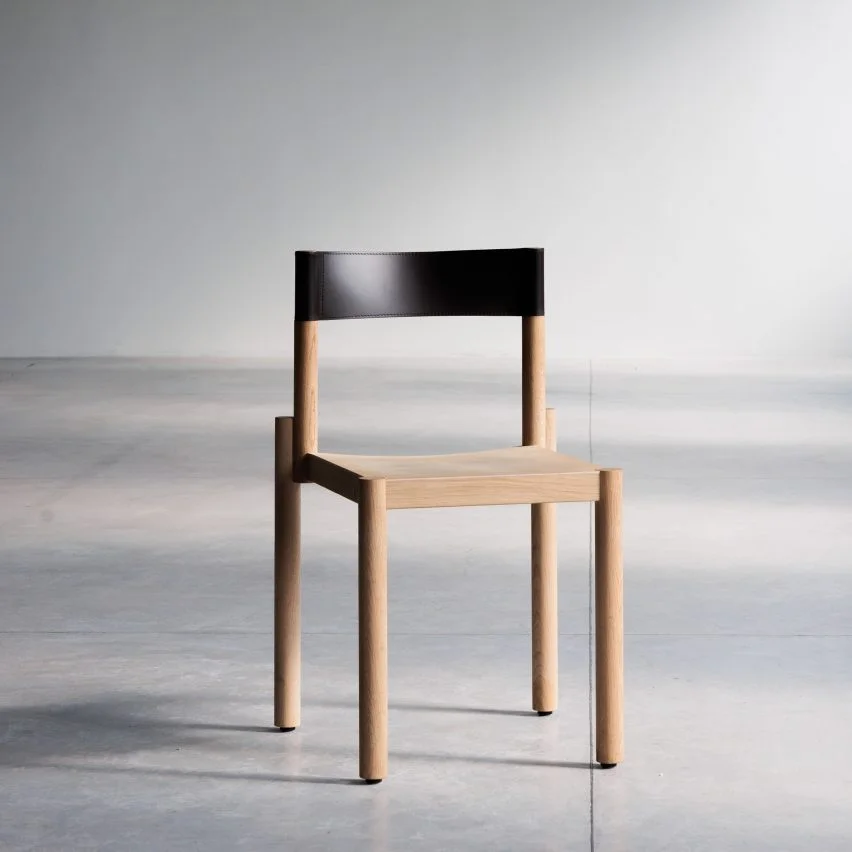
Overview of the Adinne Chair
Dezeen Showroom: Among five standout products featured, the Adinne chair combines leather and wood with a design inspired by the fluid motions of hand sketching.
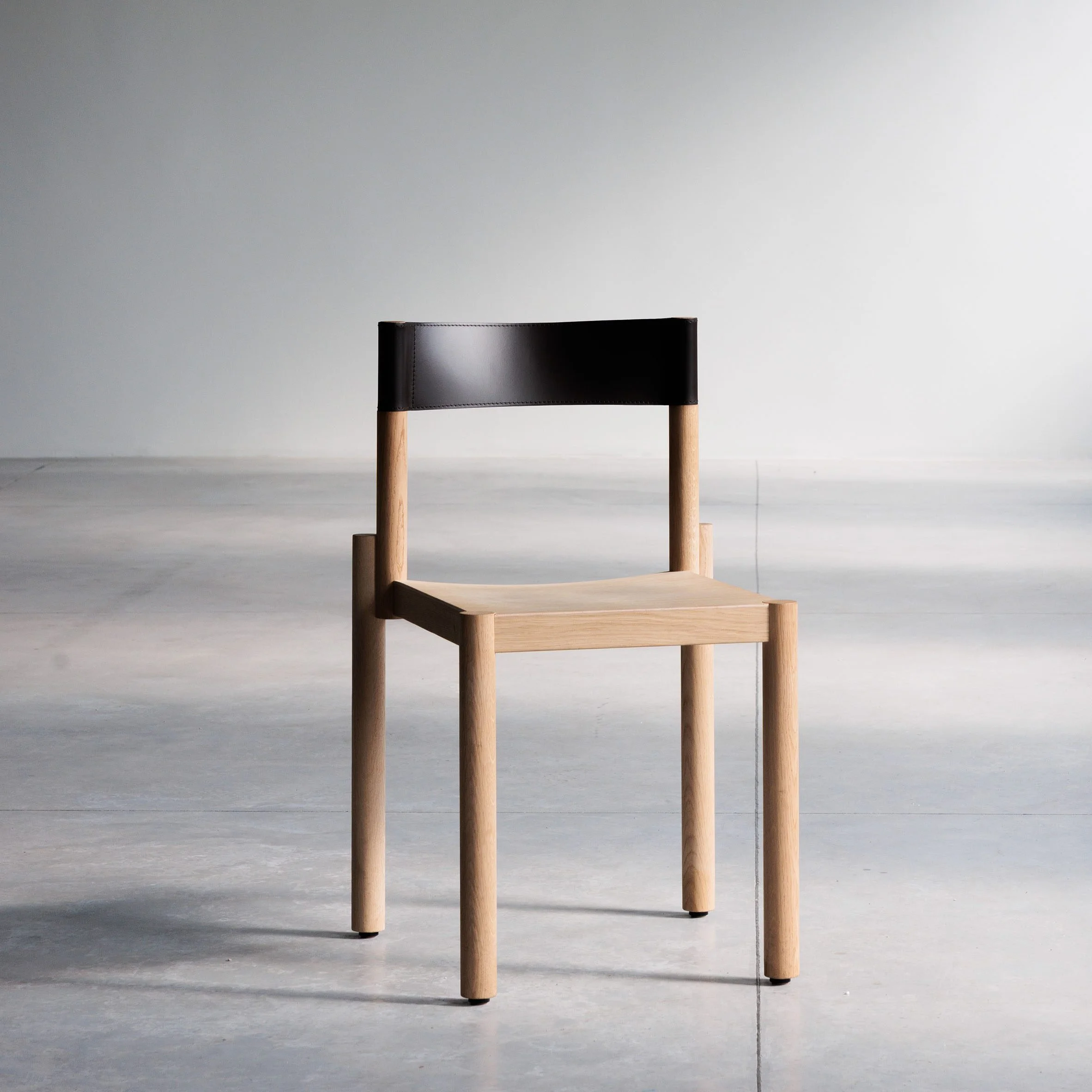
Adinne Chair by Leonardo Rossano for True Design
Designed by Leonardo Rossano, the Adinne chair stands out for its impressive integration of materials like wood and leather, yielding a minimal yet angular silhouette. Its approach to design evokes the delicate lines and curves typical of hand-drawn sketches, showcasing the harmony of functionality with artistic expression.
Broader Collection Context
Recently highlighted on Dezeen Showroom, the Adinne chair is part of a broader collection that pays homage to the Metabolism design movement of the 1960s. Metabolism, which emerged as a response to urbanization and rapid growth, emphasizes the connection between architecture and nature. This movement is characterized by modular and organic forms, which resonate with the chair’s fluid design. In addition, the collection also features interactive lighting fixtures designed to promote engagement in everyday environments.
Here’s the thing: designers often aim to create products that not only serve a purpose but also provoke thought or conversation. The Adinne chair’s unique aesthetic and conceptual origins seem designed to do just that. Consumers increasingly look for pieces that marry beauty with functionality, which is why such designs can captivate audiences.
Exploring Other Notable Products
Explore more of the newly launched products:
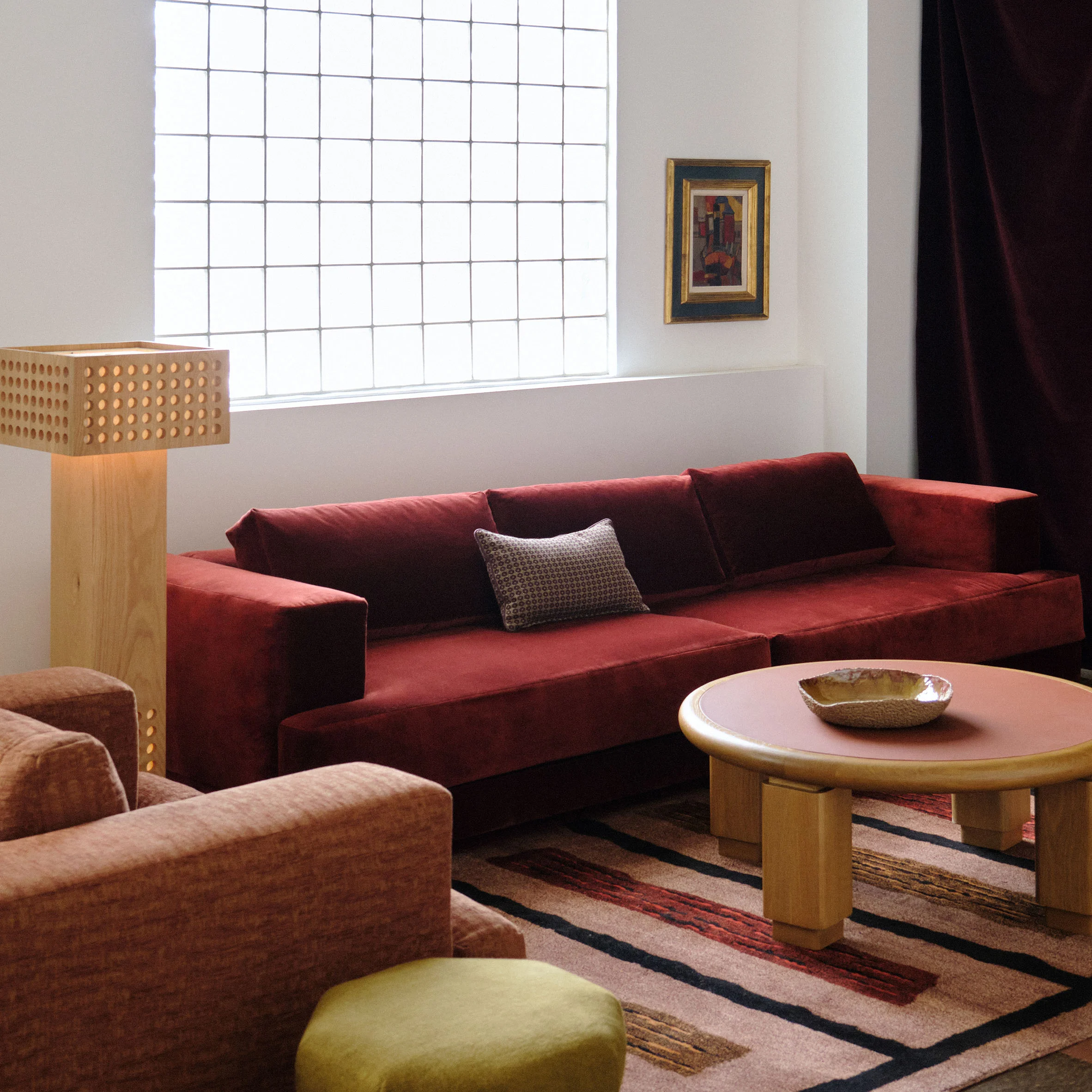
Bosque Seating by Lawson Fenning
The US design brand Lawson Fenning introduces a collection of sofas and armchairs drawing from Japan's Metabolism movement. Their keen focus on blending architectural expression with user comfort reveals a growing trend among designers who are increasingly influenced by historical movements to navigate modern aesthetics.
This emerging trend speaks to a collective nostalgia among designers, seeking to reconnect with influential past styles. The Bosque collection exemplifies how historical contexts can inform contemporary design while ensuring comfort remains king. If you're working in this space, understanding these influences can provide valuable insight into consumer preferences.
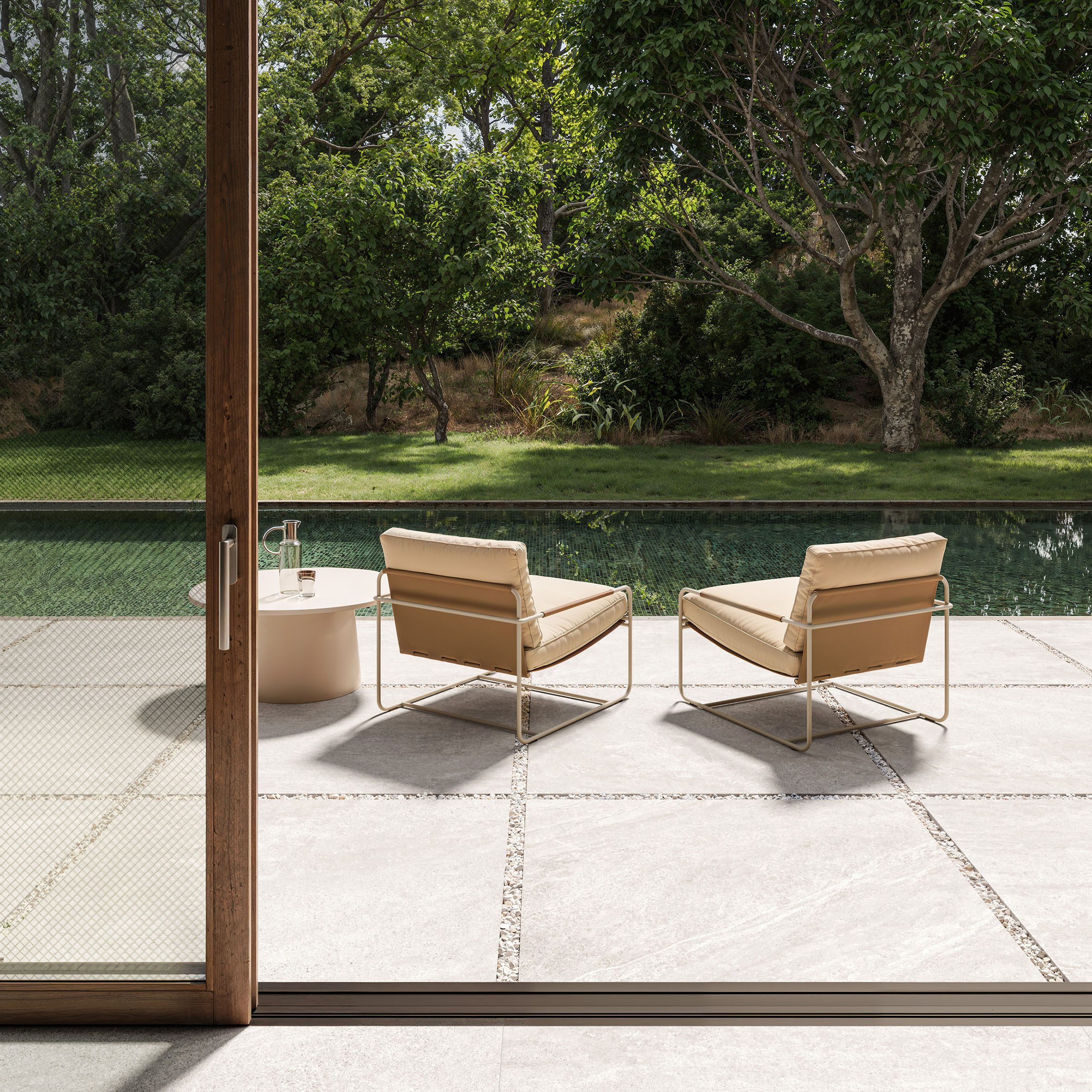
Saxum Outdoor Tiles by Casalgrande Padana
This Italian brand has launched the Saxum tiles, which authentically mimic natural stone and are available in various sizes and shades, making them well-suited for outdoor applications. Tiles that try to echo natural materials are gaining popularity in the interior design realm. They signify a move away from purely synthetic finishes and towards textures that lend warmth and nature-inspired aesthetics to built spaces.
Trends suggest consumers want products that evoke a sense of the natural world, and the Saxum tiles embody this ethos beautifully.
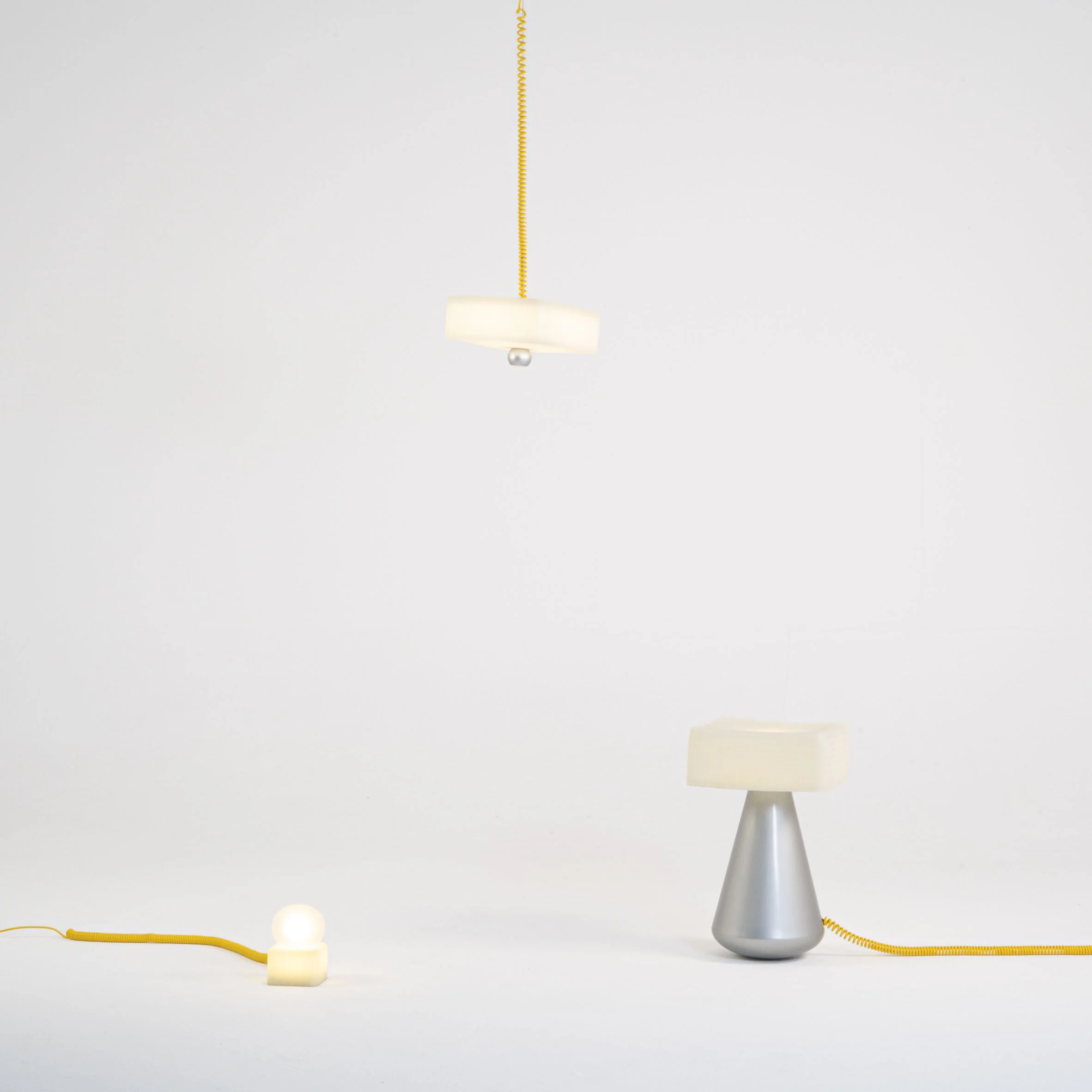
Call It A Day Lighting by Tongqi Lu Design
Shanghai's Tongqi Lu Design presents a unique series of lighting options that utilizes touch activation instead of traditional switches, incorporating innovative silicone components. This shift toward touch-sensitive designs points to a desire among consumers for more intuitive and user-friendly products.
And yet, while these designs seem cutting-edge, you have to wonder: will practicality remain a priority, or will aesthetics ultimately drive consumer decisions?
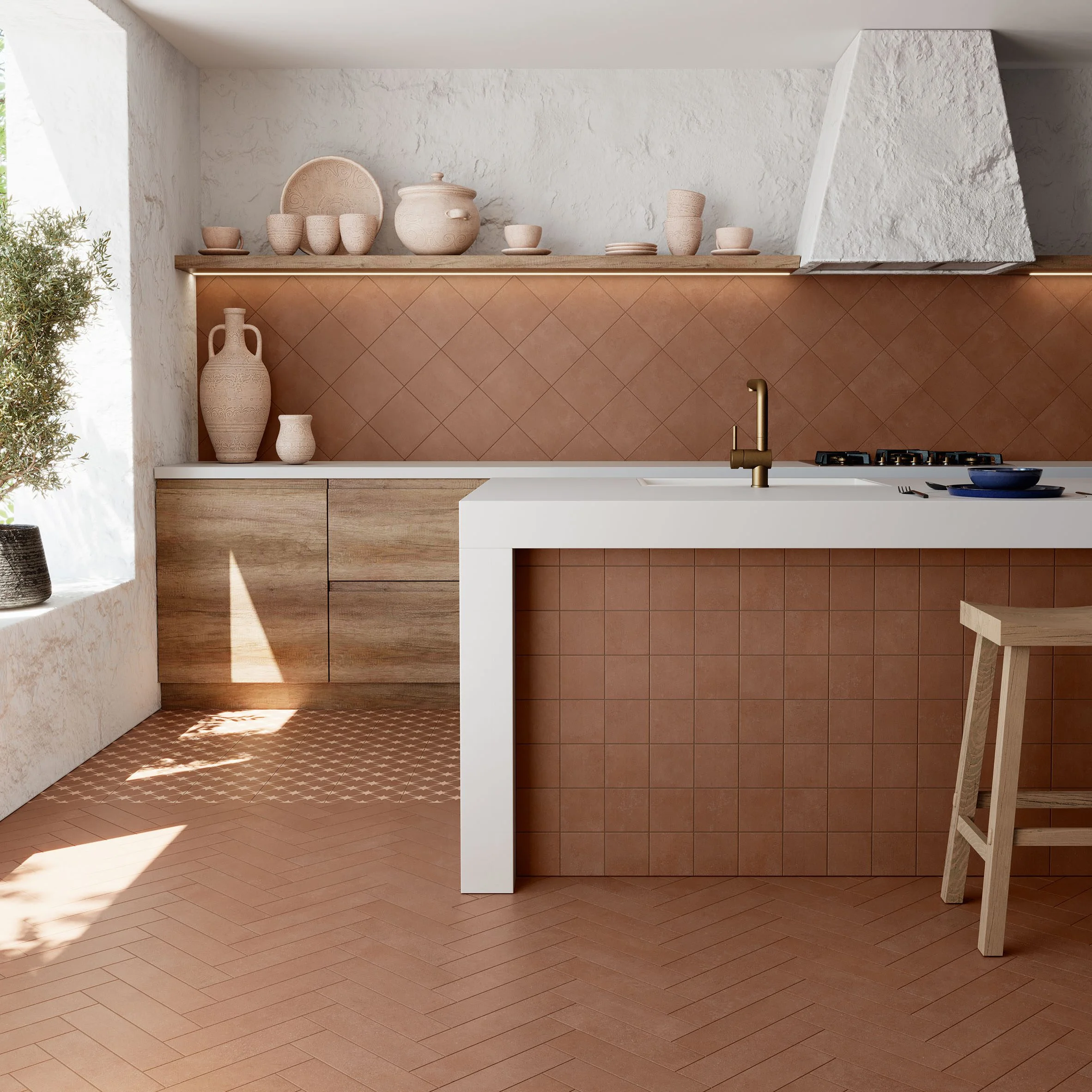
The porcelain Xian tiles, inspired by China's terracotta soldiers, offer earthy aesthetics across various designs and come in multiple colors and sizes. The inspiration behind these tiles speaks volumes about the potential to blend cultural storytelling with modern applications. This integration not only enriches design but also deepens consumer connection to the products by intertwining narratives with aesthetics.
This is where contemporary design finds its footing—where every product has a story and every design decision carries significance.
Market Implications and Future Outlook
As brands like True Design and Lawson Fenning push the envelope on product aesthetics and functionality, it's clear that the emphasis on storytelling in design is not just a passing trend. Consumers are increasingly searching for products that resonate emotionally, aligning their purchases with personal values or cultural connections.
Looking ahead, it wouldn’t be surprising to see more brands drawing from historical influences as they craft their narratives. The intersection of design history and modern functionality will likely become a focal point for consumers looking for authenticity amidst an often superficial market. Engaging with these stories and histories is becoming increasingly vital for brand differentiation.
برای این نکته دقیق: The evolution of consumer preferences means that brands will need to be agile, adapting not just to aesthetic trends but to the underlying values that motivate purchases. This could lead to a more nuanced approach to product design where functionality, storytelling, and emotional resonance converge.
Dezeen Showroom
Dezeen Showroom facilitates a platform for brands to debut new products, reaching a global audience eager for fresh design insights.
Get the latest news on new releases by subscribing to the Dezeen Showroom new releases newsletter.
The post Adinne chair by True Design among five new products on Dezeen Showroom appeared first on Dezeen.