Dutch architecture firm UNStudio has officially completed the Korean Football Park in Cheonan, South Korea, establishing a prominent hub for the Korean Football Association (KFA). This innovative sports complex is designed not only to elevate athletic training but also to enhance football's visibility within the community. The location near Seoul positions the facility strategically, putting it within reach of a city known for its passion for sports and community engagement.
The Role of the Korean Football Park
This complex isn't just about sports; it's a community initiative. The KFA aims to inspire grassroots participation in football, creating pathways for young athletes while promoting healthy lifestyles. By expanding football's presence in South Korea, the park seeks to create a generational shift in how the sport is perceived and integrated into daily life. This aligns with global movements in various sports, where organizations are focusing on building infrastructure to foster a stronger community connection.
Design Philosophy
UNStudio crafted the park's layout with input from advisors at Amsterdam's Johan Cruijff ArenA. The design strategically balances private and public areas, incorporating the idea of a public square that includes the sports museum and fan shop. Henk Markerink, a project advisor, highlighted the importance of establishing a clear transition from public to private spaces, effectively creating a small urban environment. This thoughtful approach helps to facilitate a more engaged audience, where fans can experience the sport beyond just spectating.
What stands out is not just the architecture but its intent. The design embodies principles that have been successful in European sports complexes, which often incorporate community spaces to engage the public. This progressive trend of merging sports facilities with public areas can serve as a blueprint for future projects, particularly in Asia's growing markets.
Key Features and Facilities
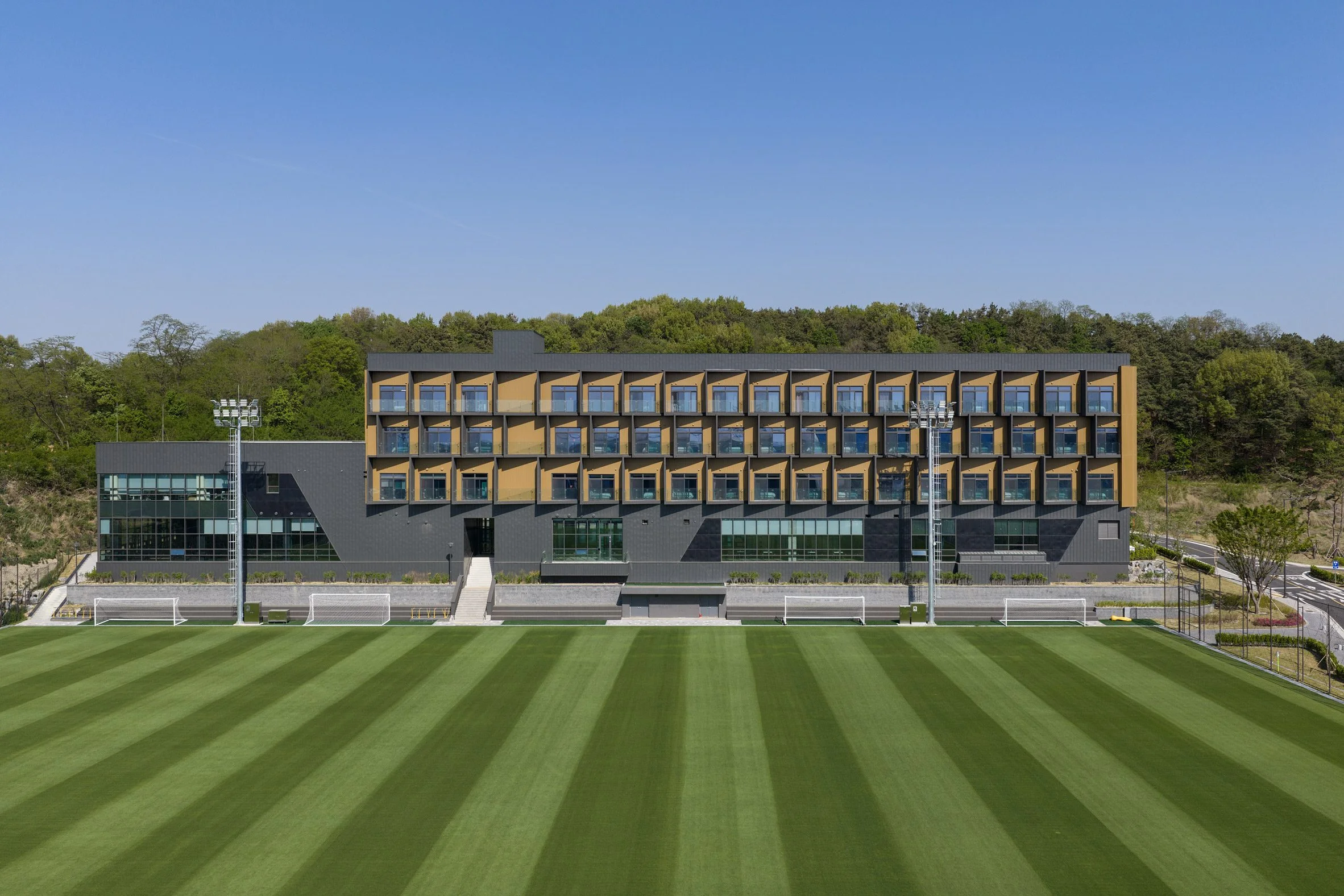
The complex centers around an arterial road linking its three major structures: the indoor and outdoor stadiums, and the museum. The outdoor stadium, which seats 1,500, features a unique design with aluminum louvres and is partially sheltered by a soft-edged steel structure, optimized for player interactions. The choice of materials reflects both aesthetic considerations and practical functionality, promoting sustainability—a growing priority in contemporary architecture.
UNStudio emphasized that positioning the KFA's headquarters alongside the outdoor stadium fosters a close-knit environment for decision-makers, coaches, players, and fans, enhancing collaborative spirit and accessibility. This proximity is not mere convenience; it's a strategic move meant to streamline operations and deepen the connections within the football community.
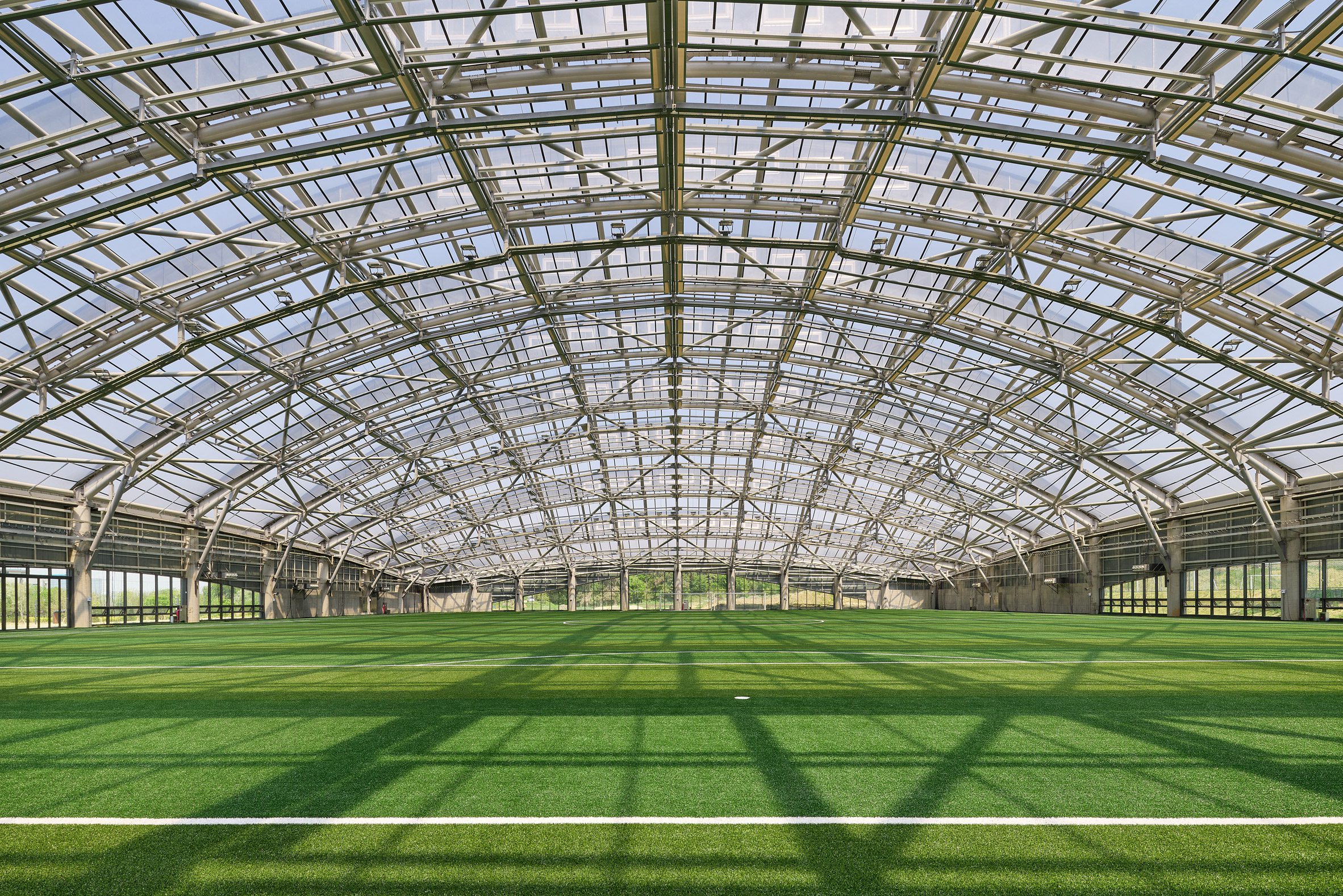
The indoor stadium is notable for its striking arched glass roof, while both stadiums are designed for deconstruction, reflecting a modern approach to sustainability. This means that, when the time comes for upgrades or adjustments, the materials can be repurposed rather than discarded. The complex also boasts water collection systems, highlighting a commitment to environmental stewardship. Other facilities include healthcare centers, youth accommodations, and a women's training facility, underscoring the park's commitment to supporting comprehensive athlete development and well-being.
Comparative Developments in Sports Architecture
In related developments, Greek architects K-Studio have announced plans for expanding Grigoris Lamprakis Stadium in Athens, while Brighton has begun work on Europe's first purpose-built women's football stadium. These initiatives suggest there's a worldwide push towards elevating standards in sports architecture, focusing on inclusivity and versatility in design. The Korean Football Park stands as a significant milestone in this trend, reflecting a global attention to creating multifaceted athletic spaces that cater to all levels of sporting engagement.
Implications and Significance
The completion of the Korean Football Park signifies more than just an architectural achievement for UNStudio and the KFA. It's a reflection of shifting priorities in sports infrastructure. Where once the focus might have been solely on performance metrics or spectator counts, there's now a clearer understanding of the importance of community integration and athlete support.
What this means for you: If you're working in this space, either as a developer or an urban planner, there are lessons to draw from this project. The emphasis on community, sustainability, and agile design is a pathway to not just sell tickets but also to foster a loyal, engaged fanbase. The Korean Football Park could serve as a template for how future sports facilities are envisioned, especially in rapidly developing regions.
The design world is watching closely. How this complex influences local community dynamics and the broader cultural relationship with football could set a precedent. Multi-use facilities are, undoubtedly, the new benchmark in sports architecture, and the Korean Football Park could very well lead the charge.
The photography is by Rohspace.
The post UNStudio completes Korean Football Association headquarters with two dedicated stadiums appeared first on Dezeen.