Swedish designer Gustaf Westman has unveiled a playful pop-up shop at Selfridges, featuring an array of British-inspired homewares, such as a whimsical tea strainer and a fish-and-chips holder. This installation invites visitors to engage with room-like settings, reminiscent of IKEA's home layouts but with Westman's distinctive colorful flair.
This pop-up represents a significant shift for Westman, who is recognized for his bulbous and vibrant designs. It's the first instance where he has created entire, immersive room experiences tailored for his products, diverging from his previous approach of showcasing items in actual homes.
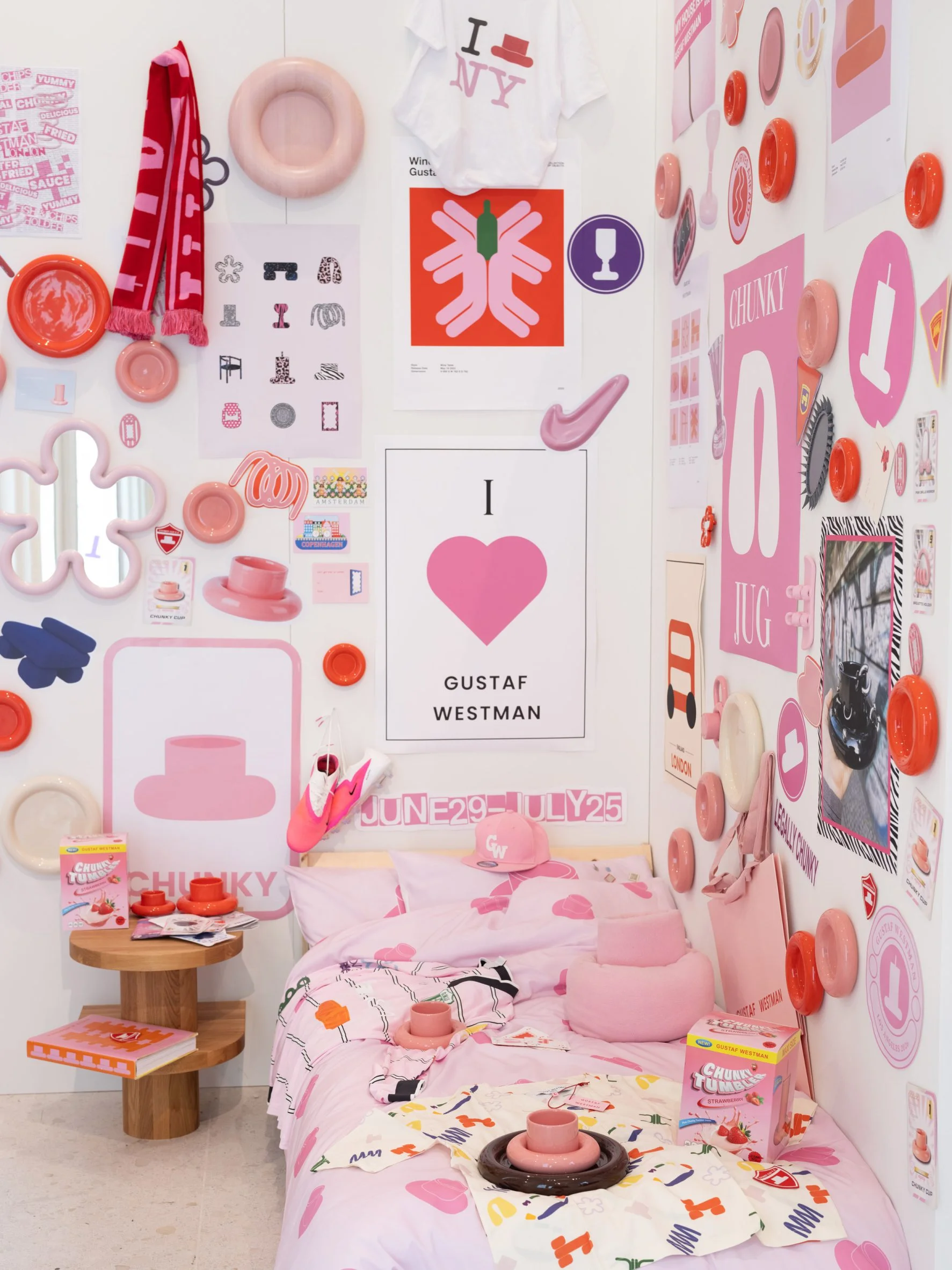
Creative Room Settings
Westman's approach to the pop-up shop marks an interesting departure from traditional retail spaces. "I've done pop-ups in real people's apartments before, around Europe," he shared in a statement to Dezeen. "This space, however, is a white box—plain from the outset. I wanted to infuse this minimalistic canvas with the essence of home." By transforming an otherwise stark area into inviting, room-like settings, Westman emphasizes a different kind of user interaction. Conventional pop-ups often rely on temporary aesthetics that can feel rushed, but Westman's design invites visitors to navigate the space like they would their own home.
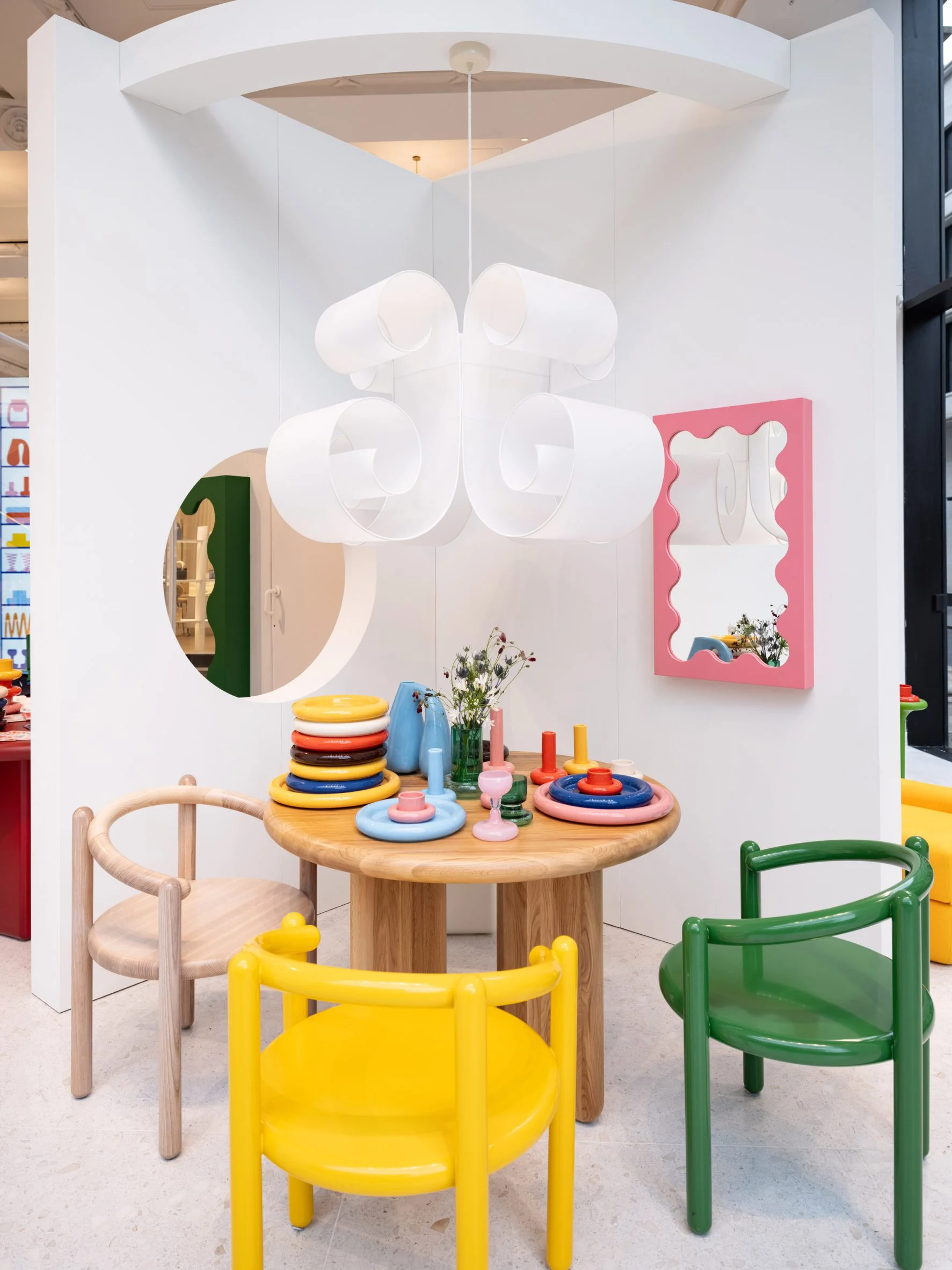
What sets Westman's project apart is his philosophy on spatial design. His ethos draws inspiration from IKEA's layout concepts, which often blend functionality with a sense of aesthetics designed to simulate domestic environments. "I prefer not to attach anything to the walls," he explained, emphasizing an intention to make the space feel more dynamic and less like a showroom. "I want visitors to immerse themselves in various vibes as they wander through different rooms." This philosophy encourages a more exploratory experience, allowing guests to engage with products on a level that transcends mere observation. The space includes a living room, kitchen, and a vibrant pink bedroom, filled with both existing items and exclusive new releases tailored for the event.
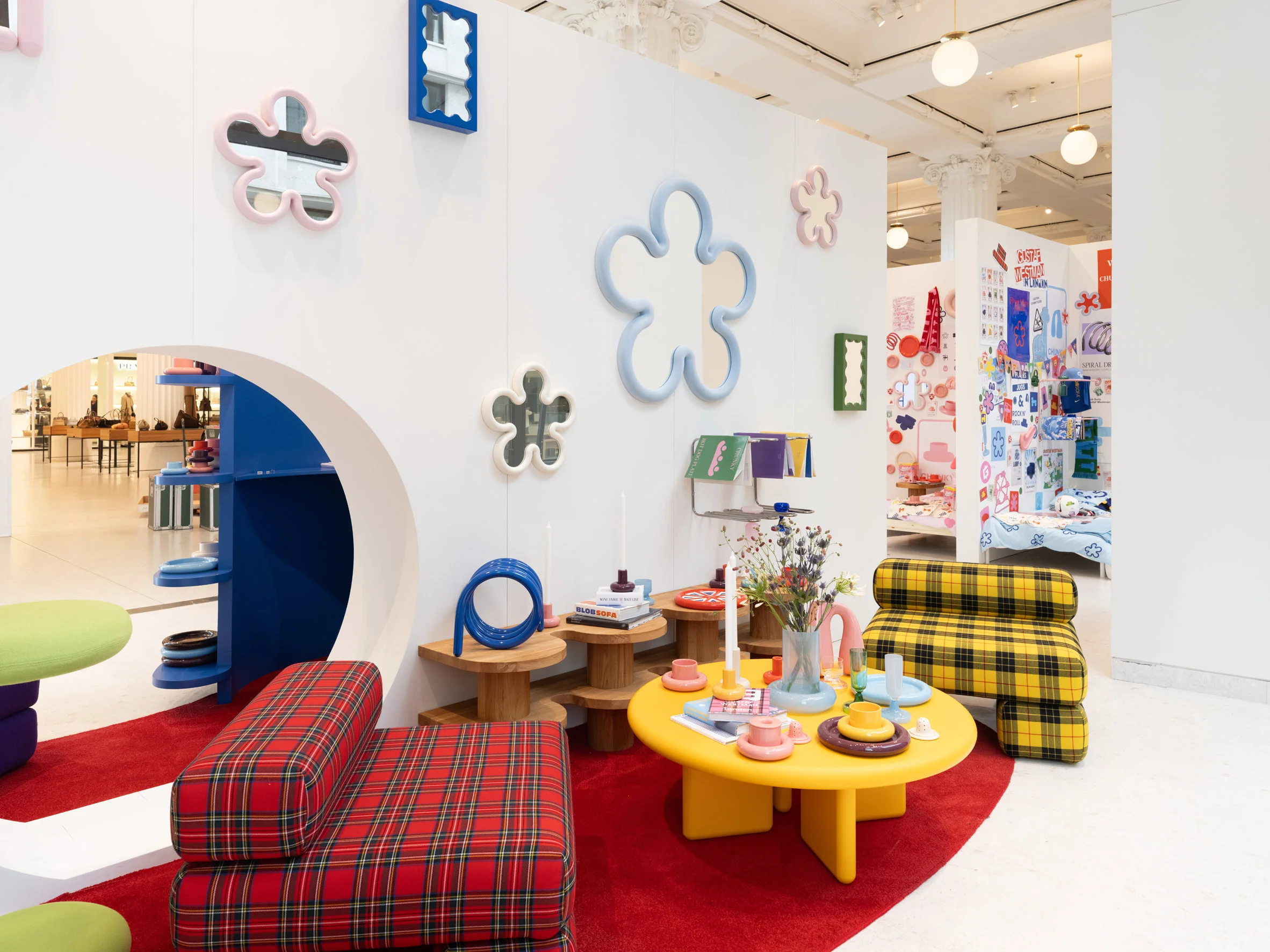
Celebrating British Design
The pop-up shop serves not just as a showcase of Westman's work but as a celebration of British design. Among the highlights are two new items—a Tartan-printed sofa and a playful fish-and-chip holder. "It's my first piece in a patterned fabric," Westman acknowledged. "Combining the humor of the fish-and-chip holder with more sophisticated pieces is something I find enriching." His decision to choose Selfridges as the venue for this month-long venture reflects both a strategic and emotional choice. Selfridges represents the epitome of British retail heritage, making it an excellent platform to test market reactions to his whimsical take on home decor.
“I know my following in the UK is considerable,” Westman reflected, underscoring the affinity he has cultivated with British consumers. “London offers a wealth of inspiration with its patterns and history; it’s a stimulating city to explore.” This partnership highlights the importance of cultural context in design. It’s not merely about selling products; it’s about engaging with a rich tapestry of history and modernity. If you’re working in this space, you’ll likely recognize the potential this type of collaboration offers—not just for sales, but for brand storytelling.
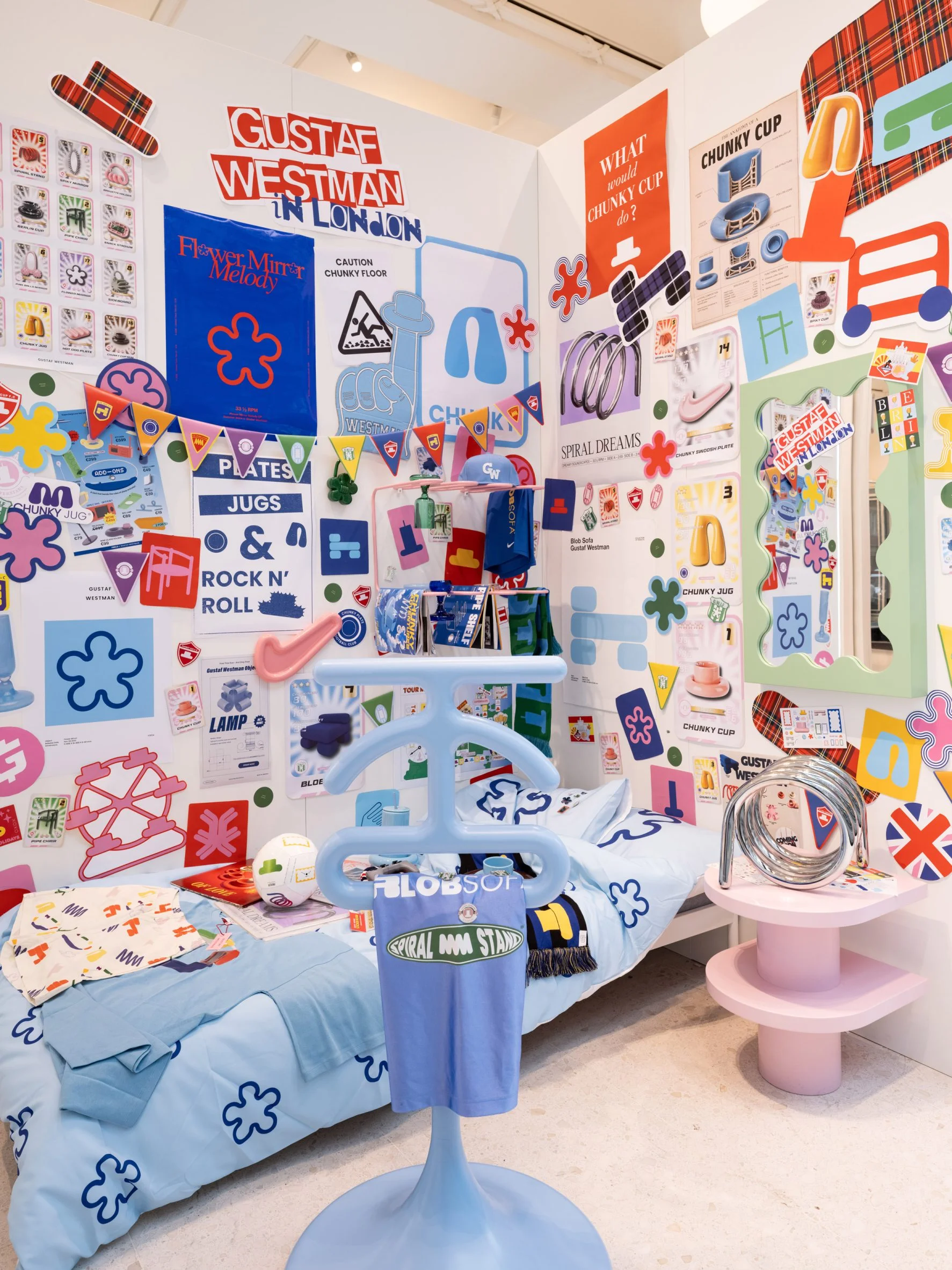
This unique installation showcases Westman's creative vision and also complements his recent creations, such as a stadium-shaped snack bowl tailored for the World Cup. This design can be viewed as a blend of function and whimsy, attuned to the cultural events of the moment.
Implications for Future Design Trends
Westman's pop-up strategy may have wider implications for the design and retail industries. As more designers explore immersive experiences, the emphasis will likely shift from transactional retail to experiential spaces that prioritize customer engagement. For brands, the challenge will be to create environments that are both visually appealing and emotionally resonant.
This trend aligns with a growing customer preference for shopping experiences that offer meaning beyond mere product transactions. Consumers today are looking for connections—not just with products but with the stories behind them. And this is the part most people overlook in the rush to make sales. By fostering deep connections through storytelling and design, brands can cultivate loyalty that lasts much longer than any single purchase.
The path Westman is paving suggests a shift in how design can be interpreted and experienced in the retail setting. Expect to see more designers taking cues from this approach, turning conventional shopping into a more engaging and memorable affair for consumers.
Photography by Lewis Ronald.