A striking crescent-shaped courtyard forms the centerpiece of Cecebre House, a minimalist creation by the Galician architecture studio Sinaldaba. This residence captures the essence of rural architecture while adapting to contemporary living needs.
Nestled in the picturesque municipality of Cecebre, this three-bedroom house partially integrates into a gently sloping rural landscape, a physical response designed to mitigate weather influences and maximize views.
Founders Susana Vázquez and Ignacio Reigada state that the aim was to "recover the principles" of traditional Galician architecture through a modern lens, emphasizing responsive design that aligns with the region’s climatic and geographical context.
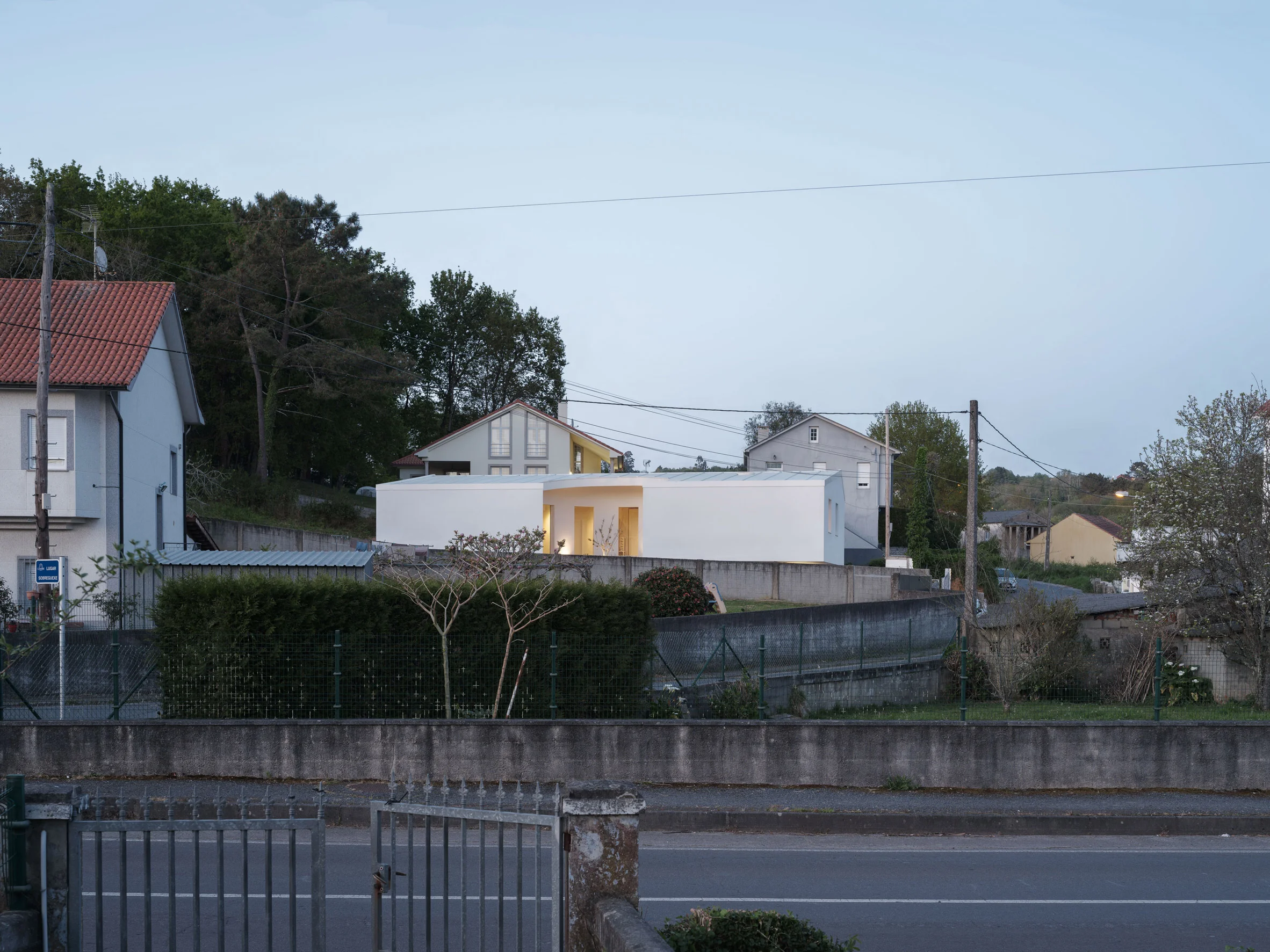
Architectural Harmony with Nature
Central to the design is a space that merges the living room, dining area, kitchen, and study around the exposed gravel courtyard. This area features a solitary tree, with expansive windows and doors under a protective crescent canopy, facilitating both natural light and airflow.
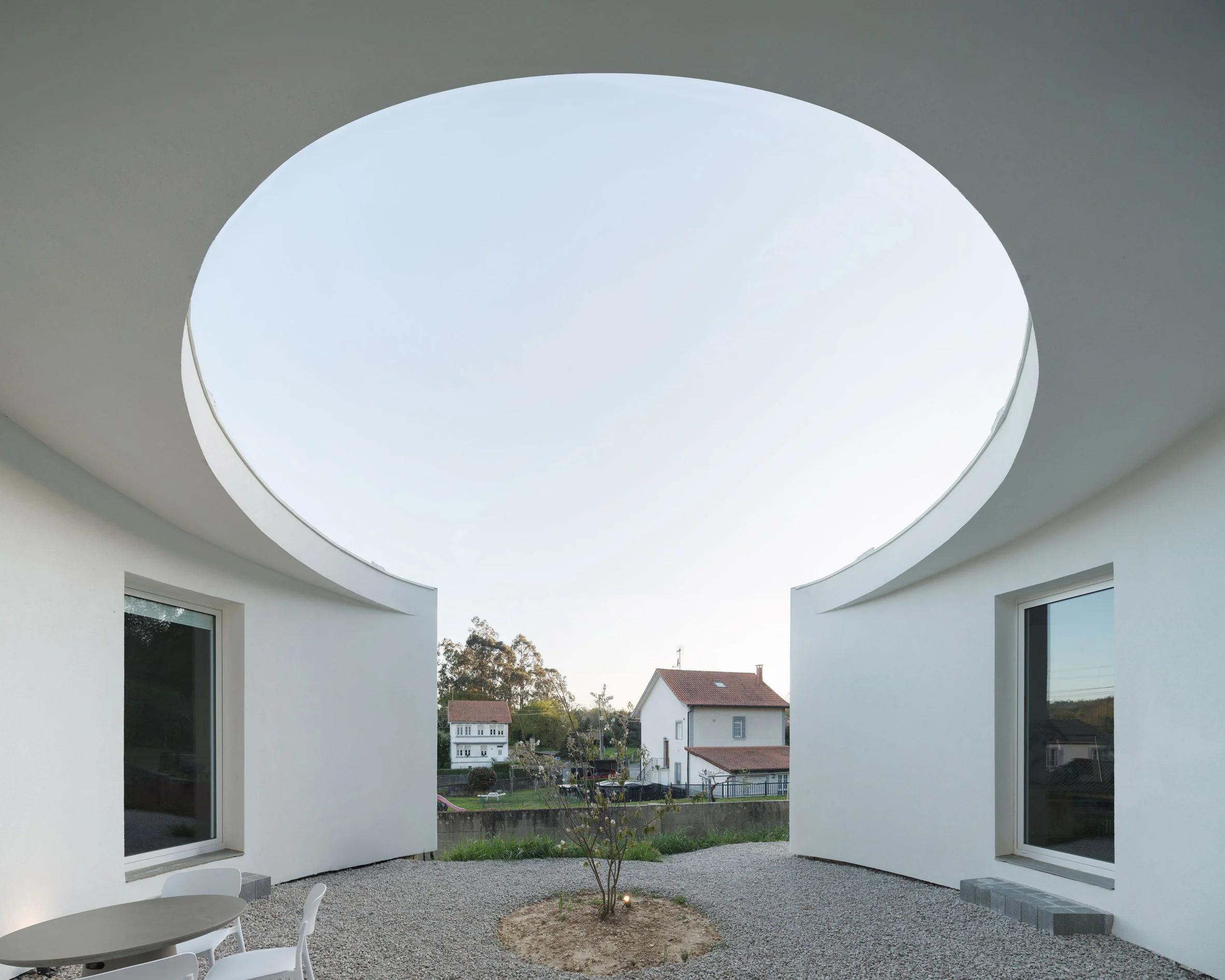
Strategically placed to shield against prevailing winds, the courtyard provides an inviting break in the home's otherwise solid facade, designed to minimize excessive heat gain. This is a thoughtful approach in a region where the weather can shift dramatically, making outdoor spaces just as important as indoor ones. By placing such emphasis on this courtyard, the architects create a transition that is both functional and visually appealing.
The courtyard serves as a domestic refuge, a flexible space that promotes outdoor living throughout the year while accommodating seasonal climate variations. Vázquez and Reigada elaborate on this point, stating that the design incorporates a circular form, contrasting with the otherwise rectangular organization of the home. This choice introduces an inviting dynamic that connects the interior with the cultural rhythm of the surrounding landscape. In a way, the courtyard isn't just a design feature; it's a lifeline to nature that ensures the home remains grounded in its environment.
Material Choices and Aesthetic
Cecebre House embodies an industrial aesthetic through the use of blockwork walls and exposed concrete ceilings, softened by the warmth of plywood features. Each of the three bedrooms maintains this design ethos, reflecting an economy of materials without sacrificing style. This balance speaks to a broader trend in architecture where minimalism doesn't mean sacrificing comfort or character, but rather enhancing it through clever material choices.
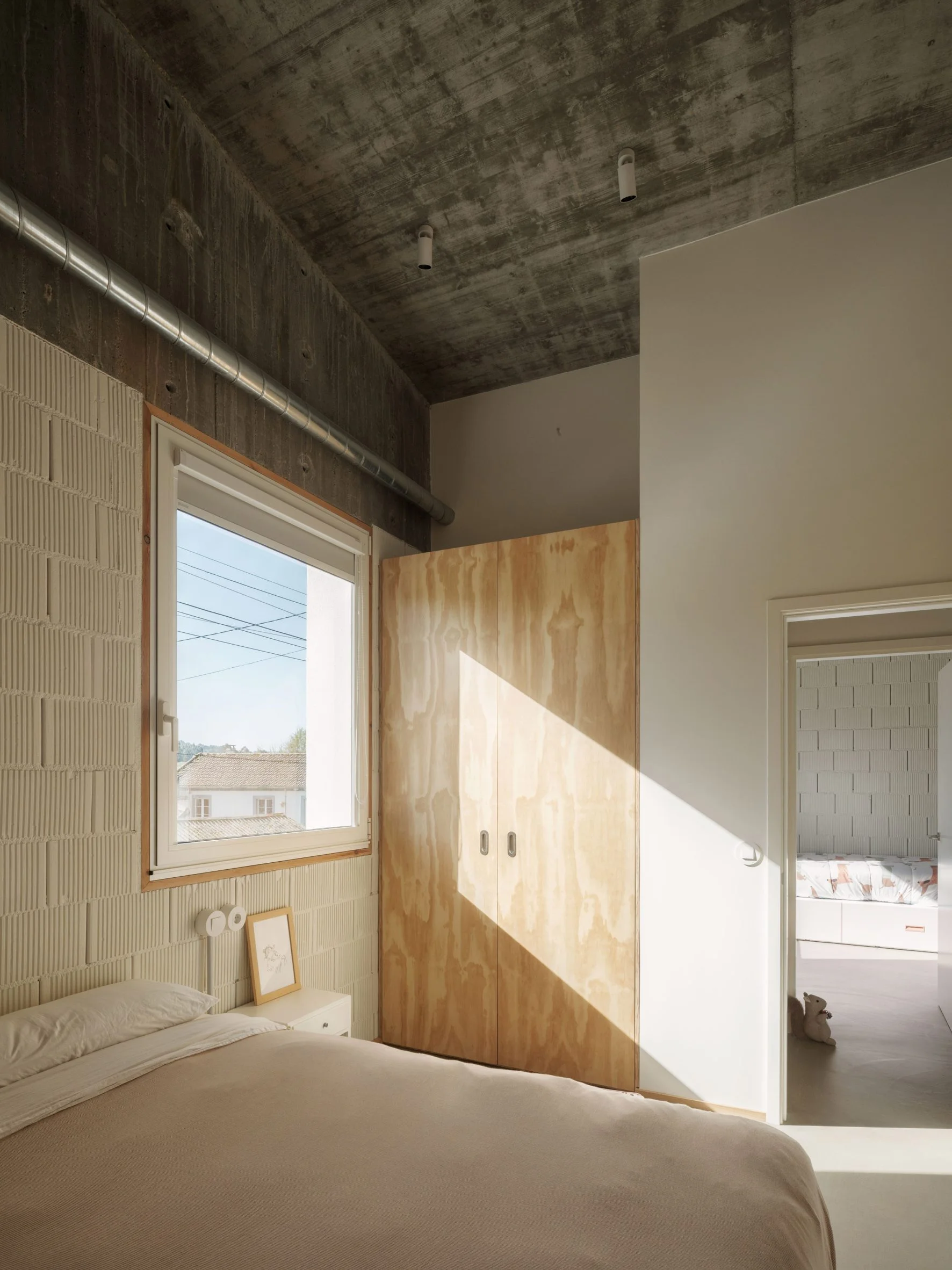
“Our choice of materials was influenced by a pragmatic construction approach and limited budget,” said the architects. “We aimed for a minimalistic architecture devoid of historical references, promoting a modern sensibility that respects local heritage.” Their decision reflects an important development in architecture, especially in regions rich with tradition and history. Often, there's a tension between honoring the past and embracing the future. Here, Sinaldaba navigates that delicate balance well. This minimalistic approach can challenge preconceived notions about how a home should look, pushing forward the conversation on modern residential design.
Other notable recent projects in Spain include a forest-ensconced home in Avila by OF Architects and a striking metal-clad residence in Barcelona designed by Jaime Prous Architects. These projects collectively highlight a movement towards architecture that respects environmental context while making bold stylistic statements.
The Significance of Community Orientation
Cecebre House is more than just a physical space—it's a reflection of a community's values and aspirations. The design emphasizes a strong connection to the environment, tapping into the local culture. In many ways, this residence serves as an archetype for future projects in rural settings. Traditional Galician architecture often revolves around functionality and adaptation, suggesting that today’s architects should continue to draw from these lessons.
If you're working in this space, this project could signal a shift toward more sustainable and community-focused approaches in residential architecture. Emphasizing natural integration and responsive design is vital as we face increasing climate challenges. Each decision in the building's design—from layout to material selection—seems deliberate, questioning what it means to live in harmony with one's surroundings.
Yet, there’s a potential pitfall. Many modern interpretations of traditional architecture risk sacrificing authenticity in the name of innovation. This isn’t necessarily the case with Cecebre House, but it’s a point worth considering: how much of tradition remains when adapting to modern needs? Given the significance of place in architecture, losing touch with the history of a locale can dilute its character.
Photography by Luis Diaz Diaz.