A Unique Boathouse by Richard Parr Associates
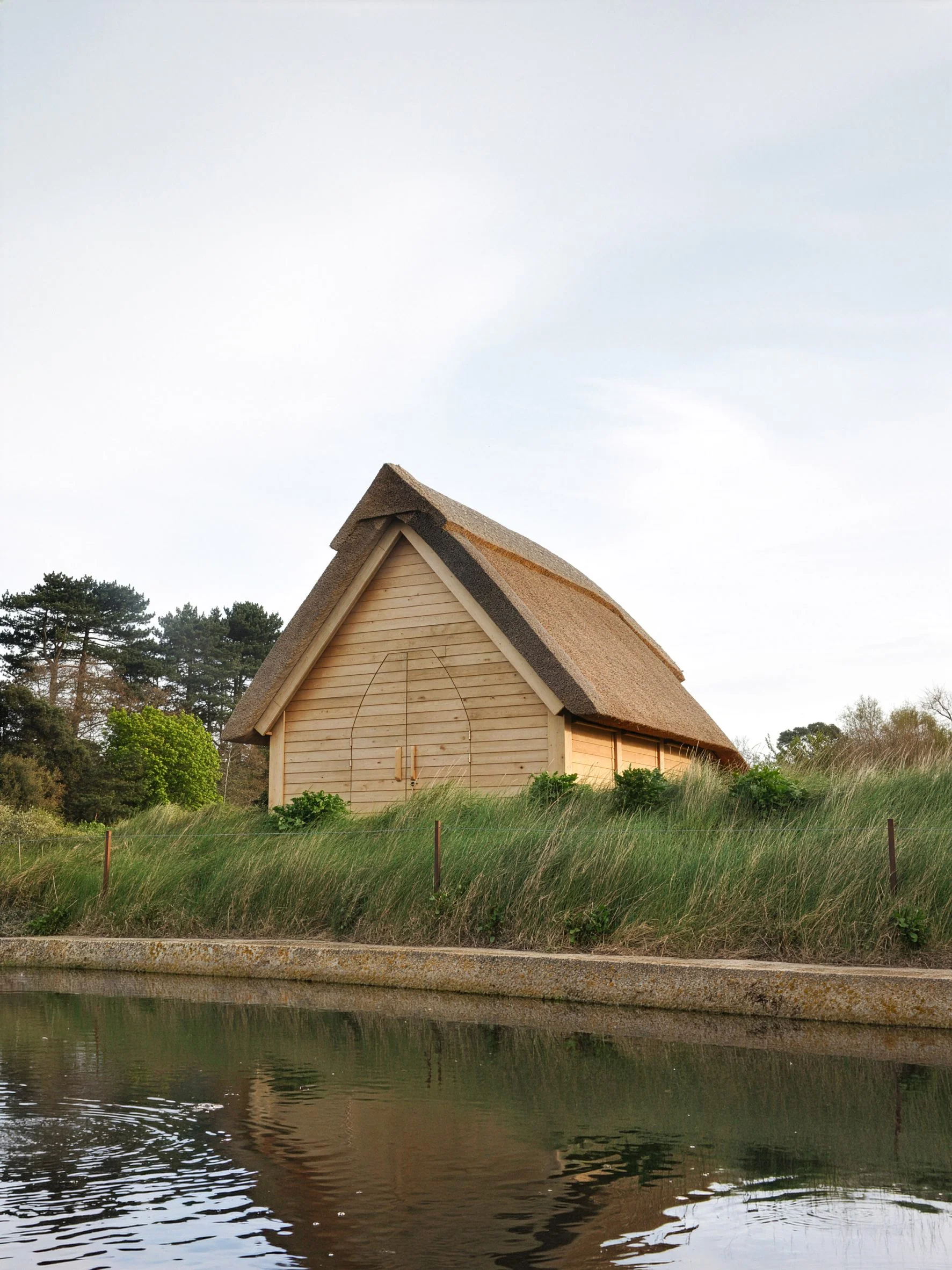
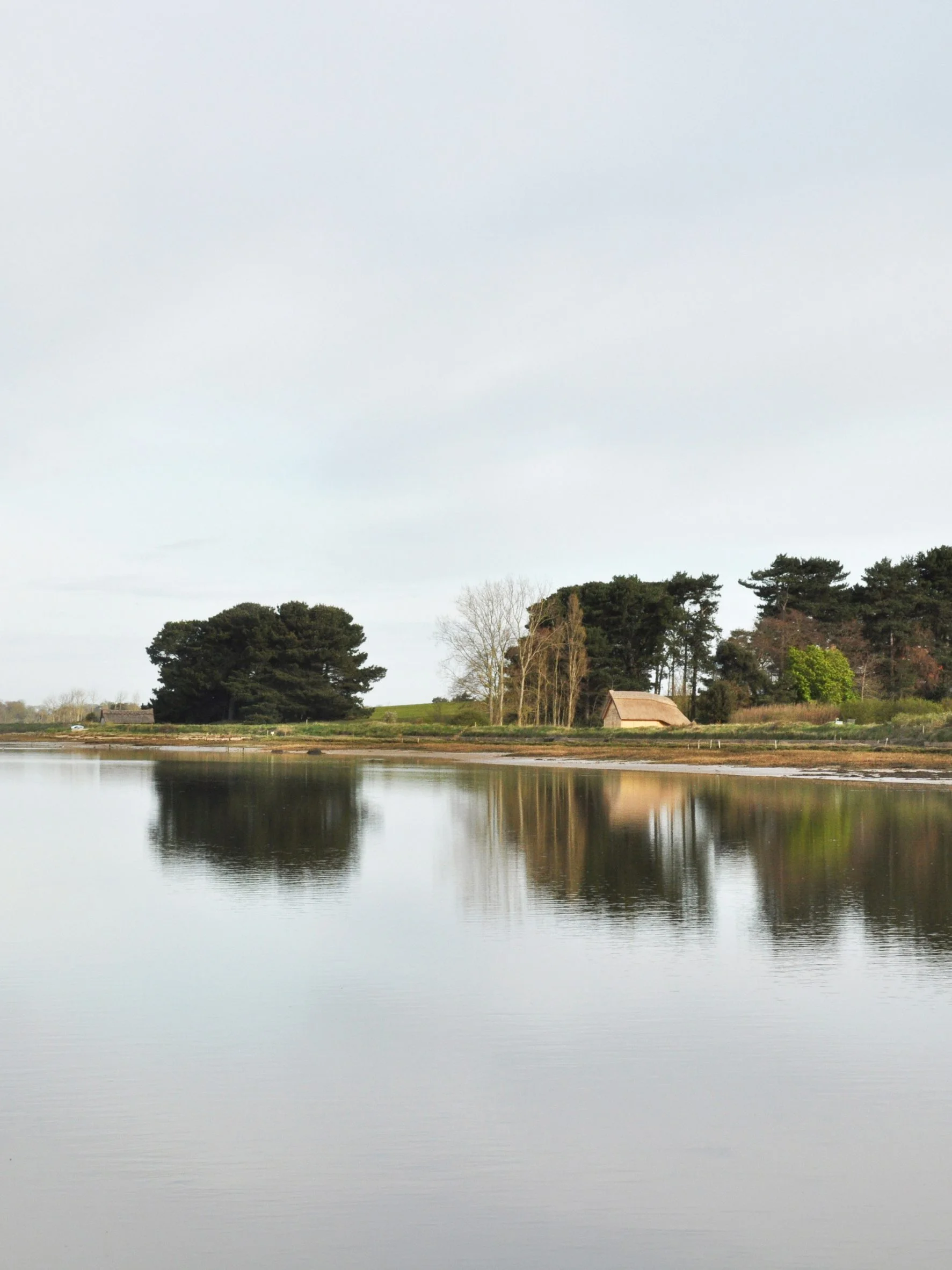
Richard Parr Associates has recently introduced the Alde Boathouse, an exceptional timber structure located along the scenic Alde-Ore Estuary in Suffolk, England. This family-oriented project stands out for its striking thatched roof, which draws inspiration from the local agricultural and waterfront architecture that has characterized the area for generations. It's a testament to how contemporary design can honor local traditions while fulfilling modern functional needs.
A Thoughtfully Designed Structure
The Alde Boathouse is designed with a purposeful elevation, resting on 12 foundation screws. This design choice isn’t just for aesthetics; it allows water to flow freely beneath the structure, minimizing its environmental impact and aligning with sustainable building practices that are increasingly gaining traction in architectural design. Structures like this are often seen as a response to ecological concerns, emphasizing a balance between human habitation and the preservation of natural waterways.
Moreover, the use of oak cladding, which will develop a natural patina over time, speaks to a philosophy of longevity and sustainability. This approach can be observed in many modern buildings that prioritize materials that age gracefully, thereby enhancing their aesthetic over time rather than diminishing in value.
Blending with the Natural Environment
The building’s roof, crafted from Norfolk reed thatch by local thatcher Dominic Meek, doesn’t just serve as a functional element; it embodies a connection to the area’s rich natural resources and craftsmanship tradition. The visually striking roof cascades down the rear of the boathouse, which enhances its integration into the lush marshland that surrounds it. Richard Parr has indicated that the design seeks to soften the structure's form, thereby encouraging a seamless transition between the built environment and the natural landscape.
This thoughtful melding of architecture and nature highlights a growing awareness in modern design, where sites are assessed not just for their utility, but for their broader ecological and aesthetic contexts. Such a philosophy can foster a greater appreciation for local ecosystems and wildlife, encouraging inhabitants and visitors alike to maintain a more sustainable lifestyle.
A Practical and Inviting Space
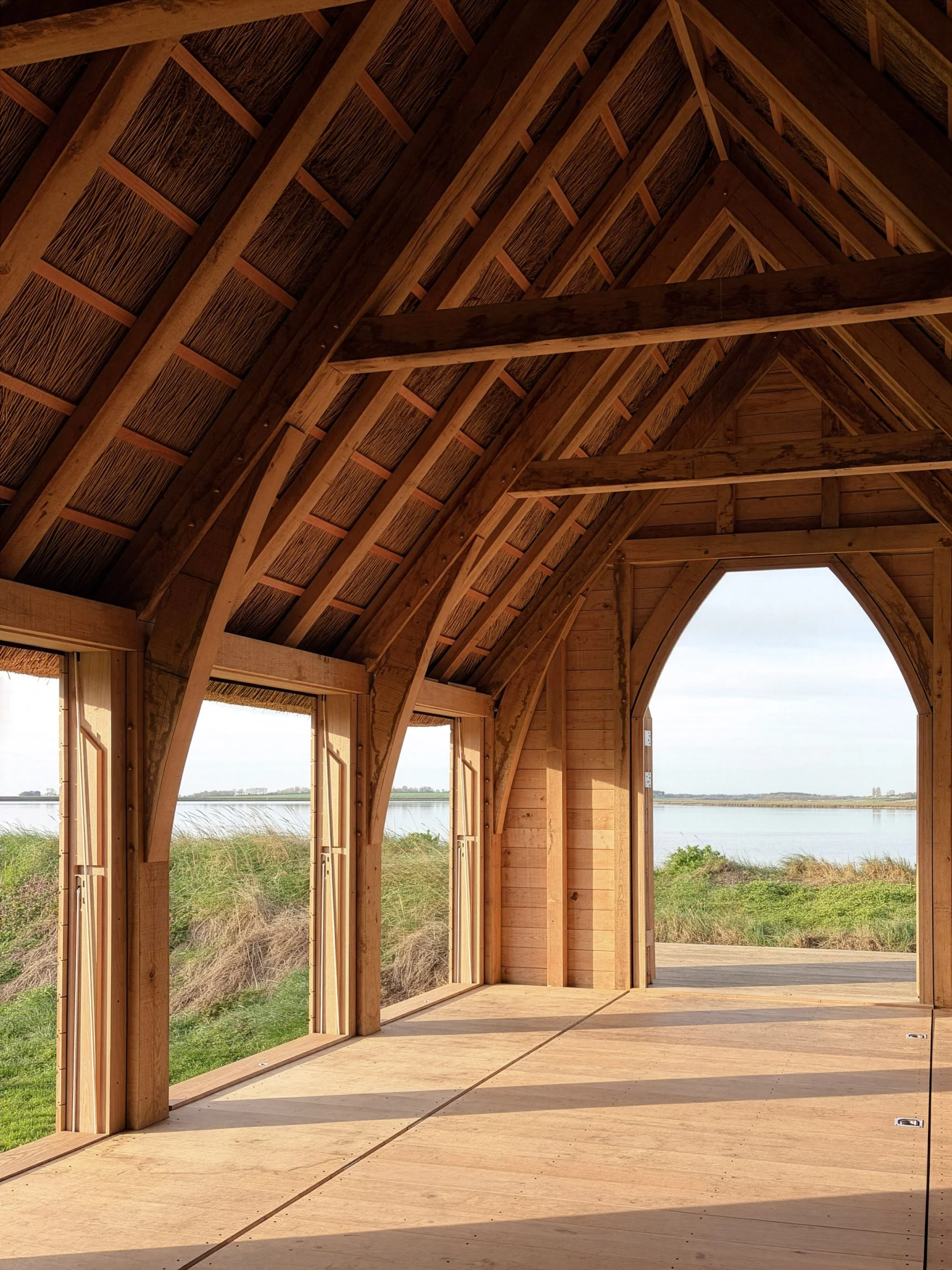
While the primary function of the Alde Boathouse is to provide secure storage for boats and sailing gear, the design also emphasizes communal living. It features a tranquil gathering area equipped with a built-in table and bench seating, inviting family members to spend quality time together. Nestled within the Suffolk Coast and Heaths Area of Outstanding Natural Beauty, this boathouse showcases how a simple structure can elevate family interactions.
The vertically sliding timber shutters serve another crucial role. They allow for expansive views of the estuary, flooding the space with natural light and providing a sense of openness. This element not only enhances the aesthetics of the building but also fosters a strong connection to the natural environment, enabling inhabitants to appreciate their surroundings fully. What this means for you, the reader—if you’re working in this space—is that the design principles at play reflect a larger trend towards utility paired with aesthetic pleasure.
Extending the Social Space
The Alde Boathouse further extends its livable area with an adjoining timber deck, equipped with a lifting beam that simplifies the movement of boats. This not only reinforces the boathouse's primary function but also creates a space that encourages social interaction. It’s designed to draw people toward the water, establishing a tangible relationship between the inhabitants and their aquatic surroundings.
Richard Parr captures the essence of the project by expressing that the design goes beyond mere equipment storage. As Parr articulates, the building is intended to engage with its location, contributing to a lifestyle that embraces both boating and family gatherings. By incorporating flexible seating areas and creating an inviting atmosphere, the boathouse symbolizes a stronger commitment to community and family connectivity.
Photography by Paul Dosanjh.
Project Credits:
Architect: Richard Parr Associates
Timber Frame: Wooden House
Cladding and Decking: Brown Dog Works
Thatcher: Dominic Meek
Groundworks: Rosewoods
Foundations: No More Digging
Implications and Future Outlook
The Alde Boathouse doesn't just represent another architectural accomplishment; it signifies a deeper understanding of how structures can coalesce with their environments. The choice of materials and design illustrates a commitment to sustainability that’s becoming increasingly important as global awareness of environmental issues rises. Expect to see more designs that blend functionality with eco-consciousness, especially in regions where natural beauty is a significant draw.
This project might encourage other architects and builders in similar areas to adopt practices that respect local histories and ecosystems. With communities pushing for greener building solutions in light of climate change, initiatives like these might pave the way for future developments that prioritize ecological integrity without sacrificing modern comfort. So, while this project is impressive on its own, it's also part of a larger narrative in our built environment—one where making responsible choices is both a necessity and a path toward enriching community life.