Keiji Ashizawa has transformed a former hostel in Shintomicho, Tokyo, into the Tomi Hotel Ginza, a boutique hotel designed to cater specifically to groups and families. This innovative reimagining provides a contemporary answer to the hospitality demand in a city where suitable group accommodations are scarce, particularly for travelers seeking spaces that feel like homes away from home.
Location and Strategic Advantage
Encompassing 860 square meters within a ten-story structure, the Tomi Hotel is strategically positioned close to the bustling Tokyo and Ginza stations, making it a prime location for visitors looking to explore the city. Shintomicho is less commercialized than the surrounding areas, allowing guests to experience authentic local culture while still being only a short distance from Tokyo's major attractions. This balance between accessibility and locality gives the hotel an edge, particularly for families and groups wanting to avoid the chaos of more tourist-heavy neighborhoods.
Layout and Design Philosophy
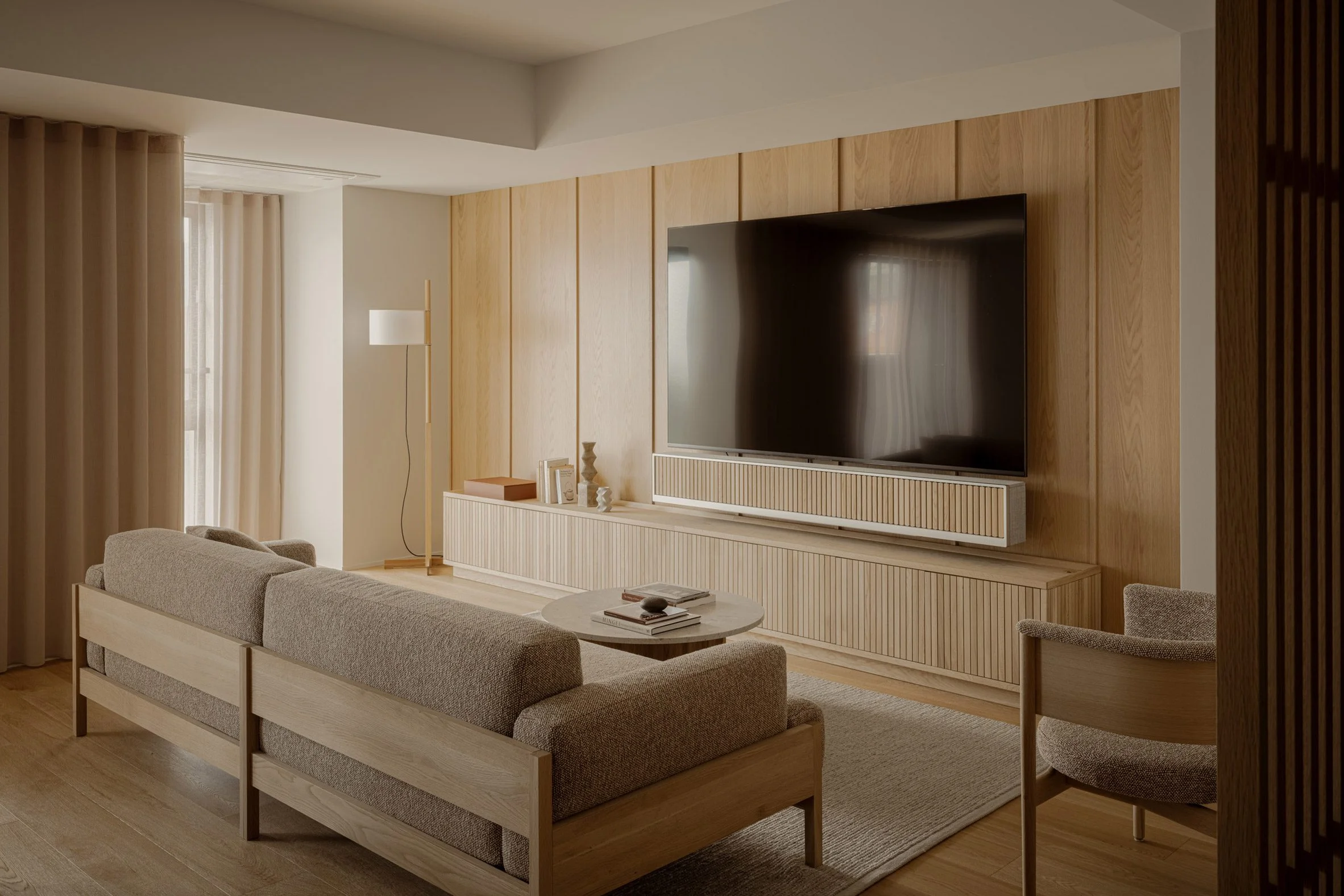
The previous layout with multiple rooms per floor has been completely restructured to feature a single self-contained suite on each level. This decision was undoubtedly influenced by an understanding of contemporary travel trends, where guests increasingly seek private, spacious accommodations. Most suites comprise a living area, two bedrooms, a kitchen, and laundry facilities, while a premium penthouse suite offers an expansive living area with one bedroom. This configuration allows guests the freedom to enjoy private family time or sharing moments without the interruptions typical of traditional hotel stays.
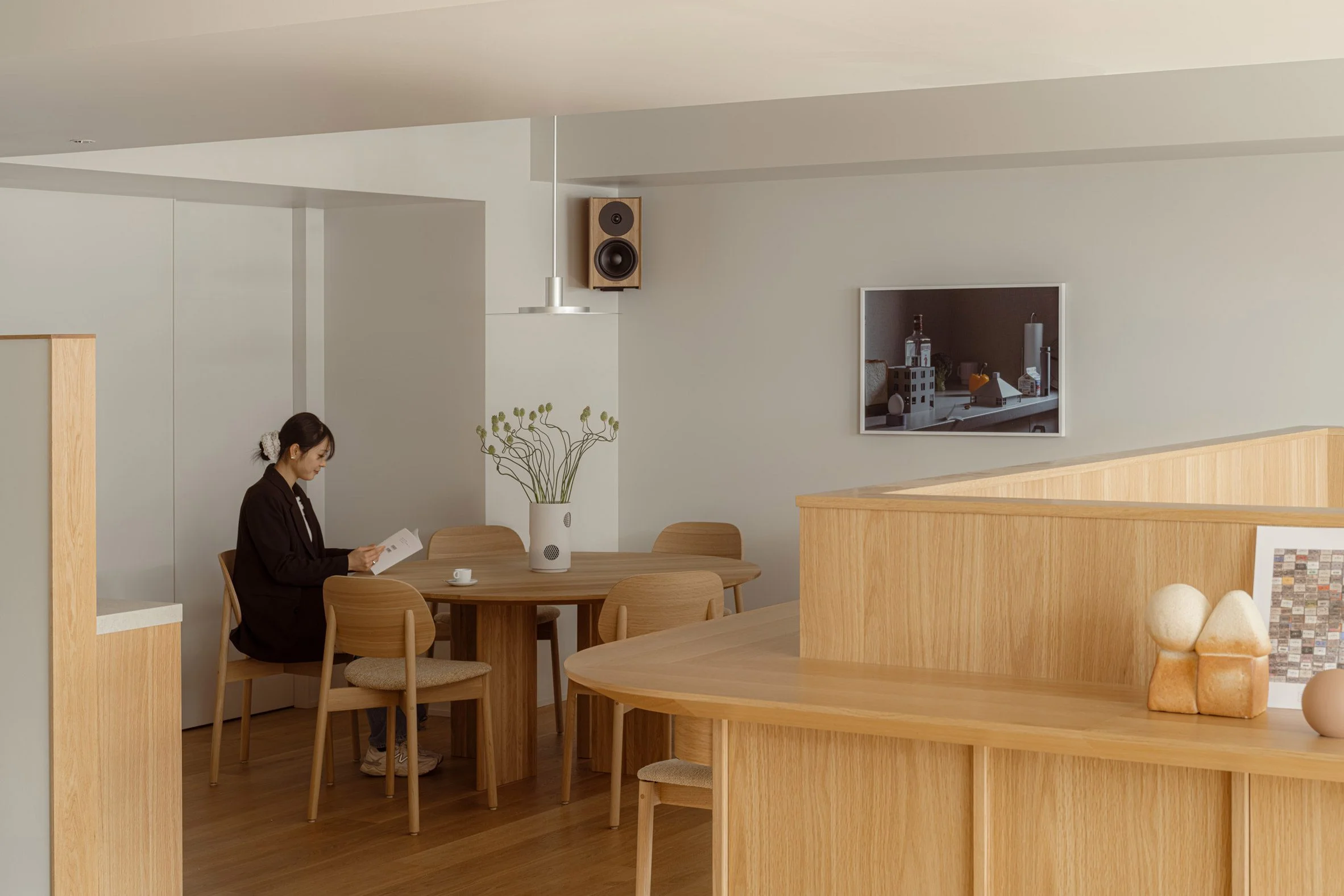
Ashizawa aimed to fill a niche by creating accommodation conducive to group stays, an essential offering for Tokyo's growing tourist influx. “Finding hotels suitable for families or groups in Japan is still surprisingly challenging," he noted in a recent interview. This observation underscores a broader issue in Tokyo's hospitality market, where many offerings lack the space or amenities necessary for larger groups.
This hotel invites guests to experience Tokyo's everyday charm while enjoying the conveniences synonymous with hotel stays. "We envisioned rooms that convey the feeling of being at a tasteful friend's home," Ashizawa explained, emphasizing the integration of art and high-quality audio from a collaboration with an audio brand. Such design choices suggest a deliberate move towards creating a warm, inviting environment that feels personal rather than commercial, enabling guests to immerse themselves in their surroundings.
Neighborhood and Community Integration
The location in Shintomicho, a central yet understated part of Tokyo, enhances the hotel's appeal, allowing guests access to an authentic side of the city rather than traditional tourist traps. This emphasizes the importance of location in hospitality; many travelers today prioritize experience over mere convenience. Ashizawa’s decision to enhance community interaction is a strong strategic choice for today’s market, which increasingly favors establishments that encourage local engagement.
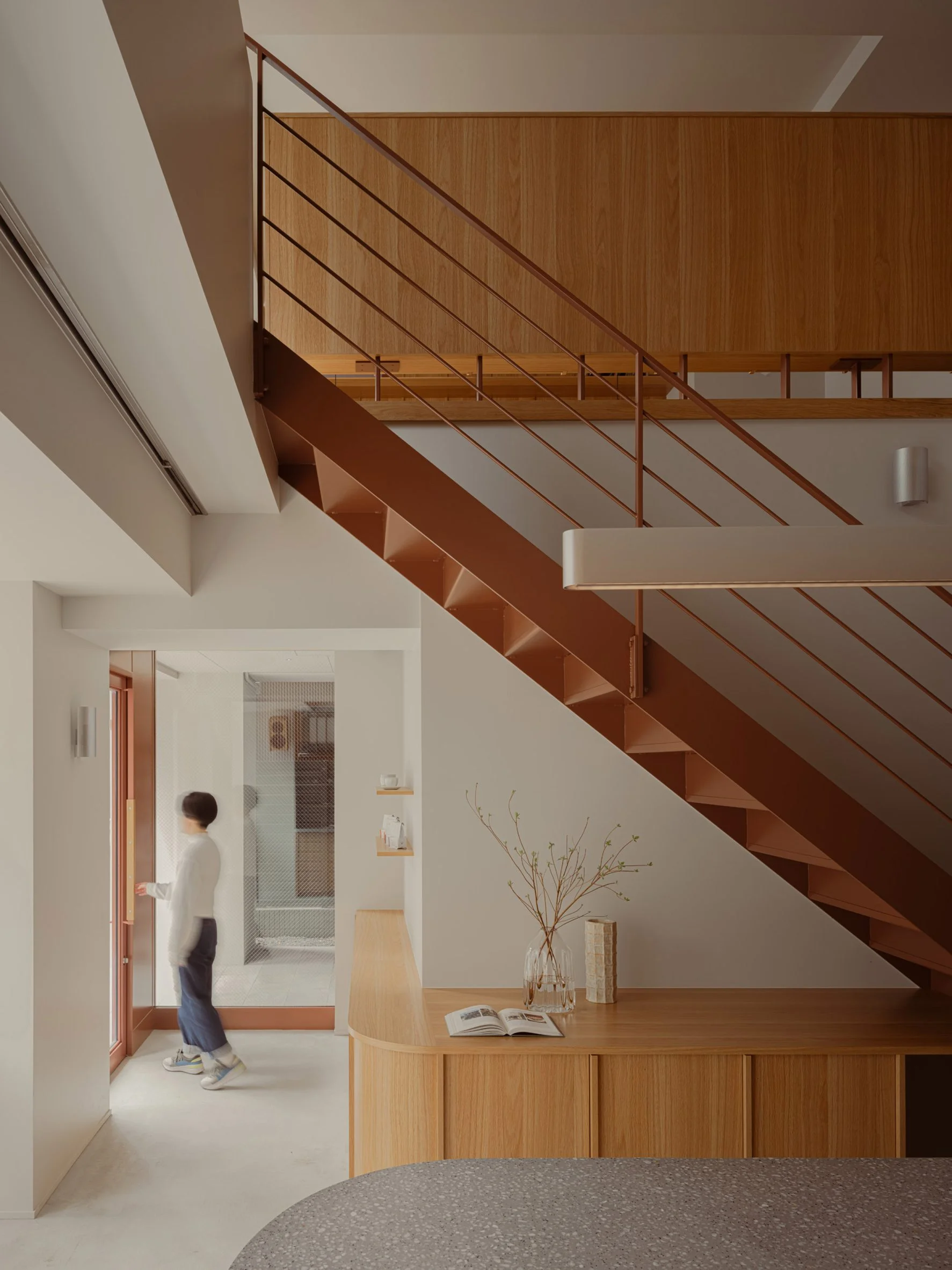
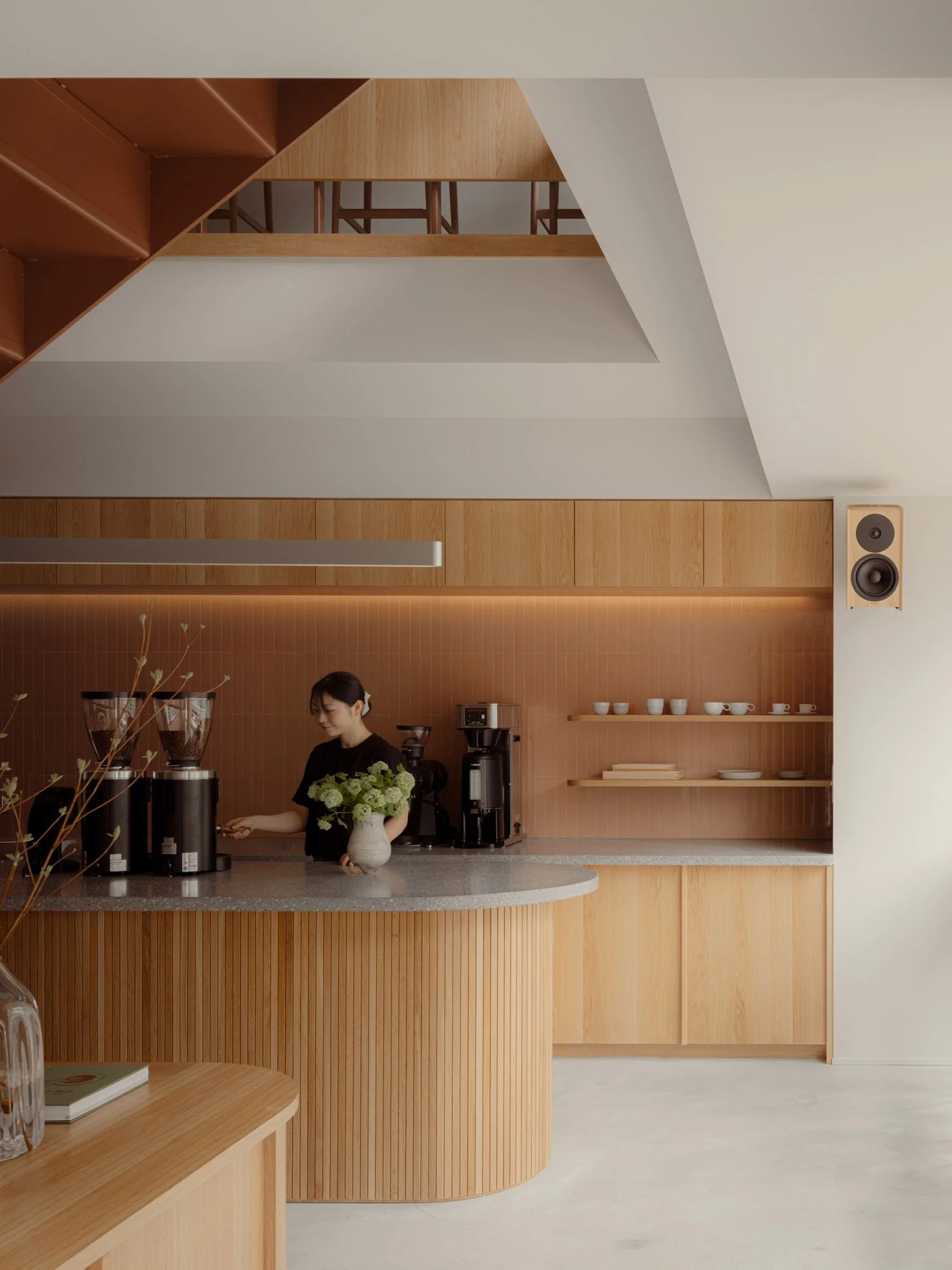
Below the hotel, two floors are dedicated to Dotcom Coffee, fostering community interaction and serving as a public space for all. This design choice was made to combat the often closed-off feel of hotel lobbies, underlining the importance of integrating hospitality with local culture. The café functions not just as an amenity, but as an extension of the hotel’s commitment to community—allowing for a more fluid relationship between visitors and residents.
Materials and Aesthetic Choices
In line with his design philosophy, Ashizawa utilized oak wood extensively throughout the hotel. This choice reflects warmth and durability, enriching the texture and aesthetics of the environment. "Oak possesses a beauty that evolves over time," he remarked, reinforcing a modern yet timeless approach to Japanese hospitality. This isn't just about aesthetics; it's a strategic choice that communicates sustainability and mindfulness toward material usage, aspects that resonate deeply with today’s eco-conscious traveler.
Shoji screens, a quintessential element of Japanese architecture, are also incorporated in the bedrooms, enhancing privacy and allowing soft light to filter through. “These screens not only embody 'Japaneseness' but also serve practical purposes in our design,” Ashizawa explained. The careful integration of these traditional elements balances modern needs with historical context, creating an atmosphere that feels both new and familiar.
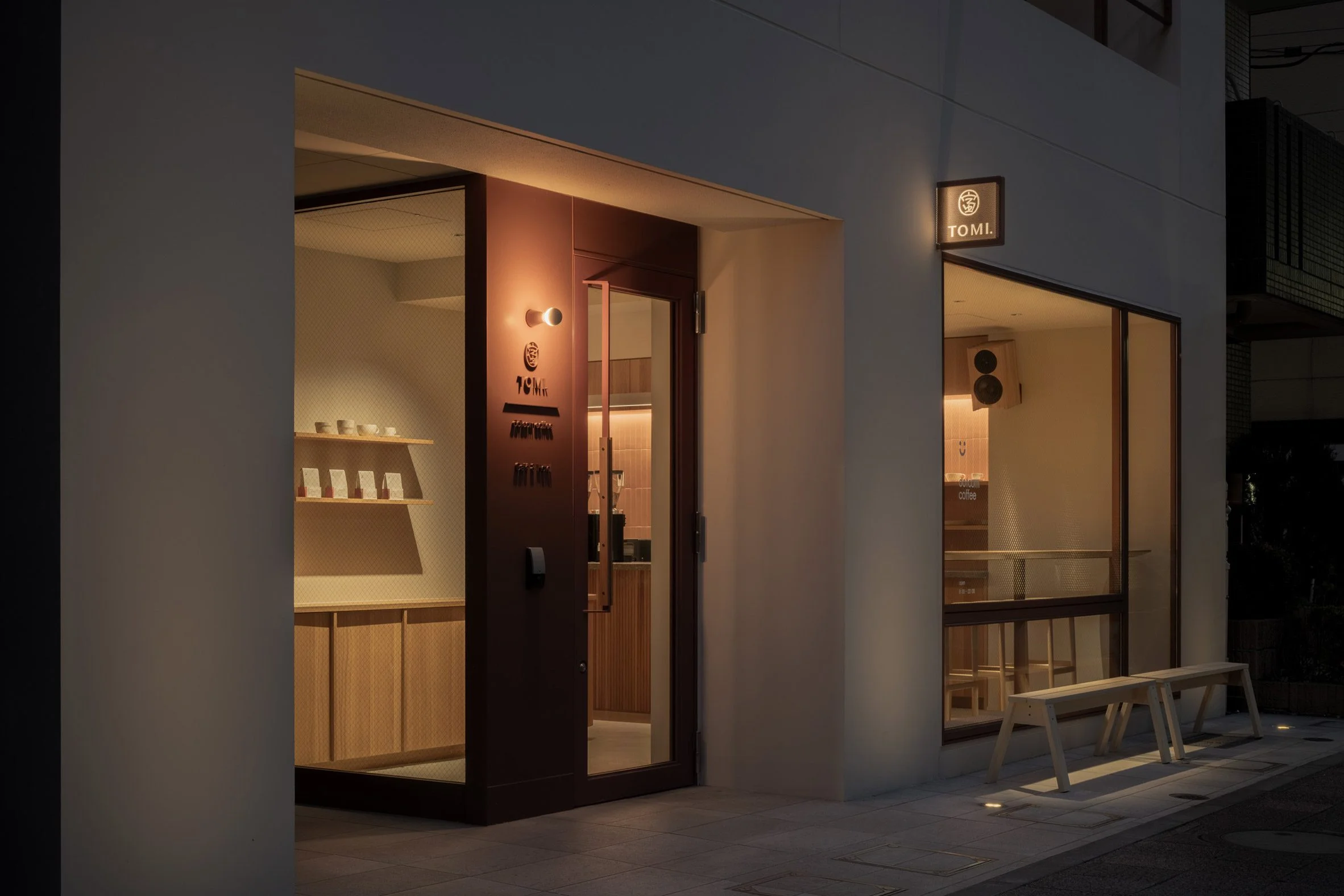
The collaboration with design studio 6D not only shaped the hotel's branding but also influenced elements of the interior design, such as the lighting fixtures, which utilize perforated metal for both aesthetics and functionality. Ashizawa's custom furniture, incorporating designs from Karimoku and Ariake, aligns with the hotel’s ethos of refined simplicity and comfort. This integration of craftsmanship reflects a broader trend in the hospitality industry towards high-quality materials and local artisanship.
Notable recent additions to Tokyo's hotel scene include the SOIL Nihonbashi, featuring a unique facade adorned with locally donated plants, and the striking Fairmont Tokyo skyscraper, further enriching the options for discerning travelers. The rise of boutique offerings like Tomi Hotel Ginza suggests a shift in how accommodation in urban centers is conceptualized. Increasingly, travelers prefer personalized experiences that reflect cultural authenticity and community engagement.
What this means for you, if you're working in this space, is that there’s likely to be a growing demand for hotels that embody a sense of local identity while catering to the needs of larger groups. As Ashizawa's Tomi Hotel Ginza demonstrates, integrating local culture with contemporary hospitality can set new standards for what travelers will expect. This development could influence future investments and projects in urban hospitality sectors.
The photography credit goes to Tomooki Kengaku.
Project credits:
Architect: Keiji Ashizawa Design
Project architect: Keiji Ashizawa, Kanae Muramatsu, Ryota Maruyama
Construction: Lifone, Boushakeikakukoubou Inc
Furniture: Karimoku Case, Ishinomaki Laboratory, Ariake
Branding: Keiji Ashizawa Design, 6D-K
Lighting plan: Aurora Inc, Yoshiki Ichikawa
Tile: Alternative Artefacts Danto