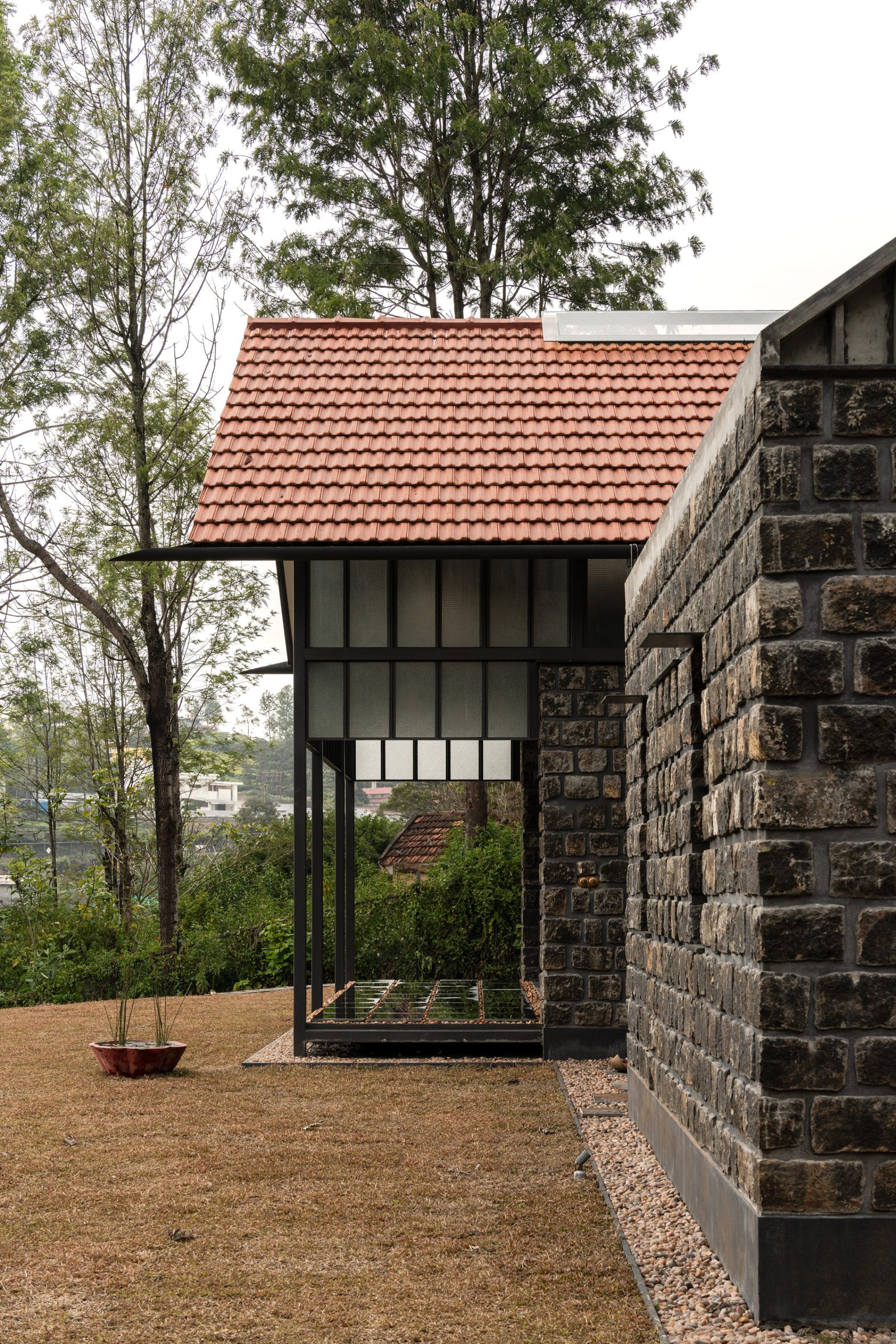
Meister Varma Architects has completed an environmentally conscious residence named Shilaya in the picturesque Kotagiri, Tamil Nadu. This project is remarkable for its use of salvaged stone from the ruins of a colonial-era cottage that previously occupied the site, reflecting a nuanced blend of history and modernity.
Shilaya, which derives its name from the Sanskrit word for "stone," occupies a spot in the Nigiri Mountains, an area historically defined by its European-style stone architecture. The design is cleverly rooted in the local context: the original stone from the old cottage was repurposed to form the walls of this new home, creating a seamless connection to the past.
Historical Context and Architectural Narrative
In a region steeped in colonial history, Shilaya is not just another modern structure; it's a dialogue between time periods. The choice to incorporate salvaged materials not only honors the site’s past but also underscores a prevailing zeitgeist in architecture that is increasingly appreciative of building narratives. By reintroducing stone from the now-vanished colonial cottage, the architects grant it a second life, preserving memories while paving the way for modern living.
The site itself is in an area rich with European-style architecture, which makes the preservation and reuse of such materials even more significant. If you're working in this space, this isn't just an aesthetic choice—it's a responsible action grounded in cultural and environmental stewardship. Buildings like Shilaya demonstrate how architecture can serve as a bridge connecting the past with contemporary practices.
The Design Features and Spatial Dynamics
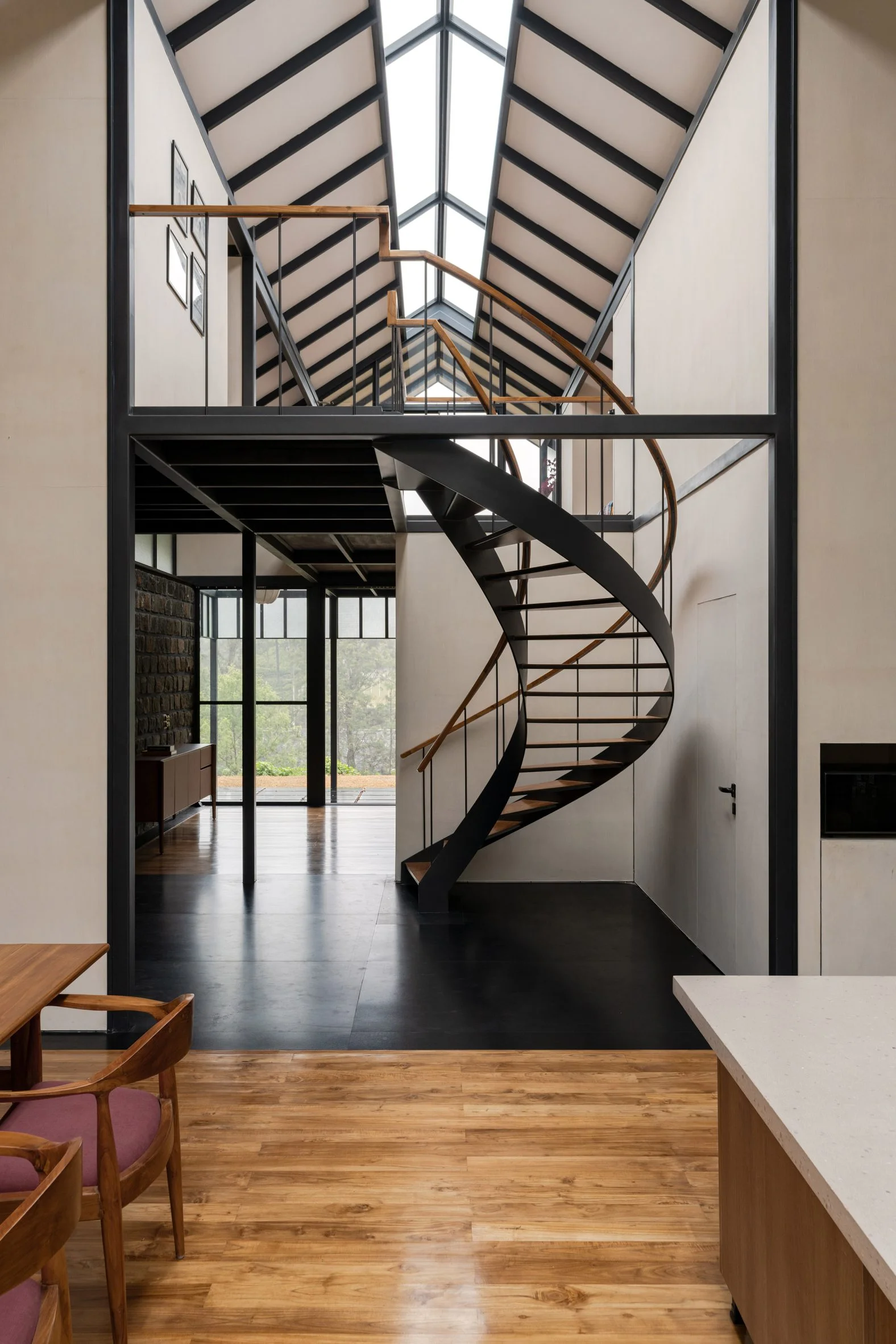
Shilaya consists of three distinctive volumes, with the centerpiece being a striking double-height space that encompasses the living, dining, and kitchen areas. This focal point invites natural light, enhancing the home's interior warmth. The gabled roof, with a long skylight, juxtaposes the rugged stone foundation with a sleek upper structure crafted from steel and glass, exemplifying a harmonious balance between old and new materials.
A spiral staircase ascends to a study mezzanine, which grants access to a sun deck overlooking the garden. This stair not only serves a functional purpose but also becomes a sculptural element that contributes to the home’s artistic expression. It’s a reminder that form and function needn’t be at odds.
Thermal Efficiency and Functional Sustainability
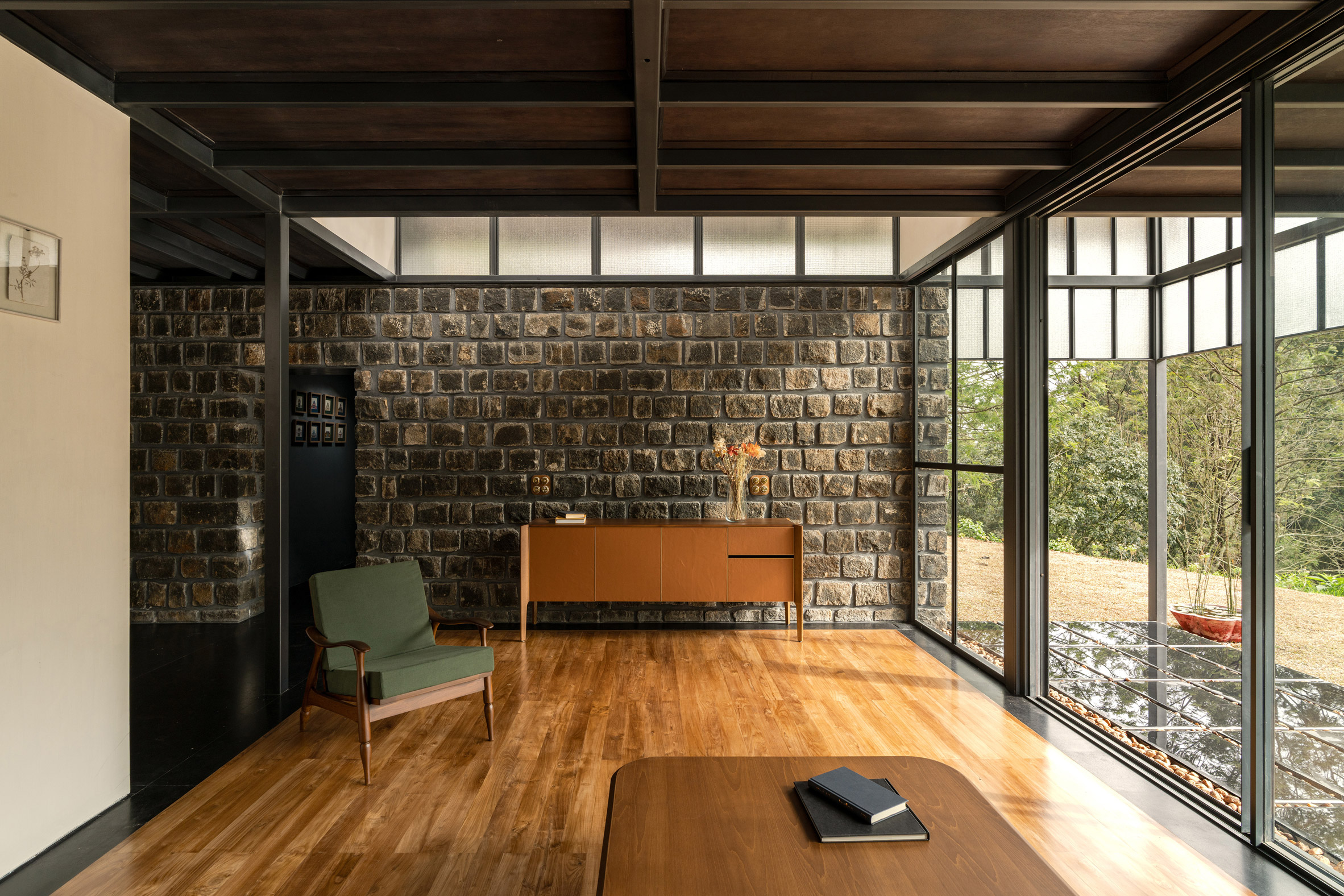
The transition between living spaces and bedrooms involves a cleverly designed narrow passage illuminated by a skylight, crafting a pause that enhances the quality of light. This not only adds an aesthetic dimension but also promotes a sense of intimacy in contrast to the more expansive spaces. The twin-leaf stone walls, at a width of half a meter, serve more than just visual purposes; they deliver thermal efficiency, which is vital for comfort in the region’s cold winters. When thinking about architectural choices, that’s a key takeaway.
Future Development Plans
The garden to the south of Shilaya is earmarked for future development with additional cottages, showcasing a forward-thinking approach to the property. This could transform the site into a community space, which resonates with contemporary trends in real estate where mixed-use developments foster a sense of belonging and interaction. Adjacently, staff quarters complement the main structure, adding necessary functionality. This consideration for future use exemplifies how architecture can respond to both immediate needs and long-term vision.
Other notable projects in Tamil Nadu include Madras Studio's recent farmhouse creation, which emphasizes necessity in design, and Wallmakers' inventive use of mud-coated shipping containers for a restaurant. Such projects reflect a broader trend in the region toward architecture that's both thoughtful and inventive. That's worth keeping an eye on.
Implications and Significance
Shilaya stands as a testament to what modern architecture can achieve when it marries sustainability, historical reverence, and functional design. It suggests a shift in architectural thinking—one that values the past while prioritizing the environmental footprint of new builds. This approach may redefine standards in residential architecture in India and possibly beyond.
What this means for you as a practitioner in this field is clear: clients are increasingly looking for homes that tell stories and embody values that resonate today. You're not just building a structure; you’re crafting a narrative and contributing to community, identity, and sustainability. The direction established by Shilaya may very well inspire a wave of similar projects that embrace these principles, making it more significant than it appears at first glance.
The photography is by Syam Sreesylam.