In June 2026, the spotlight shines on five remarkable houses that have captured attention in the architectural community. These properties reflect a broader trend in the industry, emphasizing sustainability, innovation, and a growing appreciation for design that resonates with its surroundings. Among these properties is a striking holiday cabin in the Netherlands, complemented by a compact residence built in an infill site within a British neighborhood. As urban areas continue to become denser, the importance of thoughtful architectural design becomes even more pronounced. In many places, zoning laws and limited space often challenge architects to think outside traditional residential layouts. Here’s a closer look at these noteworthy projects, which exemplify the potential of modern architecture to address such challenges while celebrating local heritage and materials.
Anjung, Malaysia, by Eleena Jamil
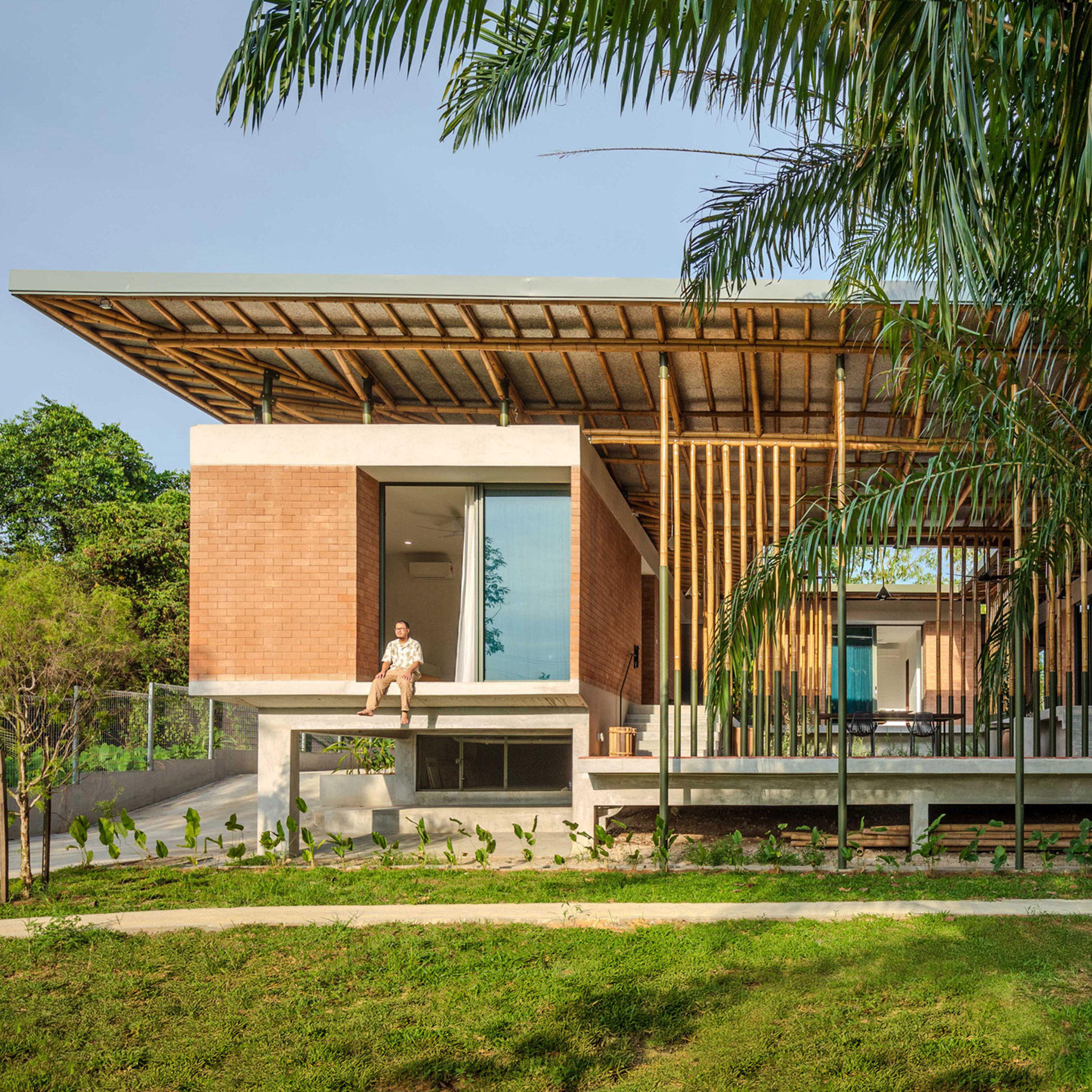
This single-storey residence, designed by Malaysian architect Eleena Jamil, is rising in popularity. Located near Kuala Lumpur, Anjung incorporates bamboo and steel, featuring a guesthouse with four bedrooms and a workspace for Jamil's studio. What sets this house apart is its use of local materials. Bamboo, for instance, is not only sustainable but brings a cultural touch that resonates with Malaysian architectural traditions. The combination of bamboo’s warmth and steel’s strength showcases an exciting interplay between traditional craft and modern design strategies.
The Corner Shop, Australia, by Kister Architects
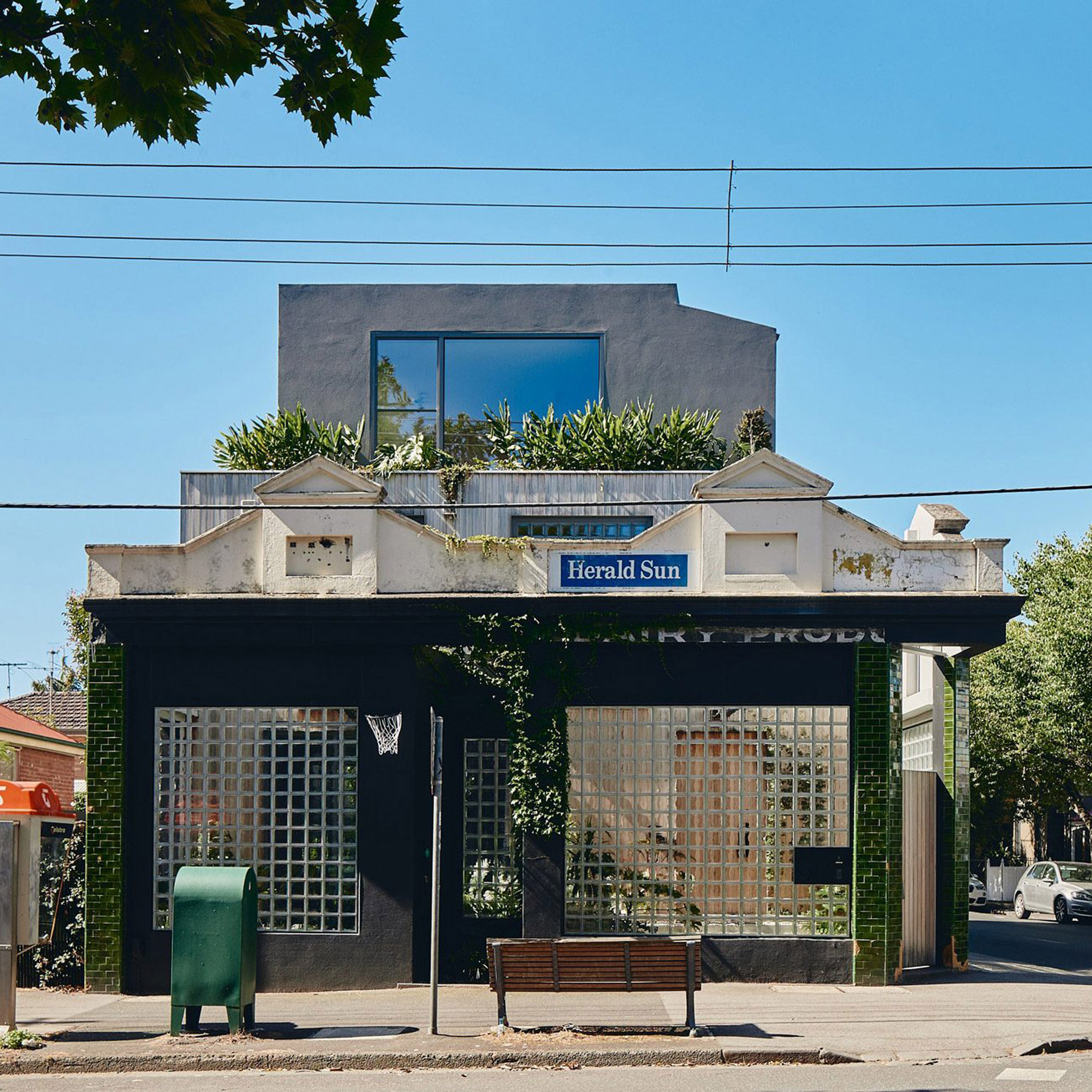
Kister Architects transformed a corner shop in Melbourne into a sophisticated family home while preserving its original green-tiled facade. The design features a vibrant internal courtyard and a perforated steel staircase leading through three interconnected stories, all illuminated by triangular skylights. The decision to maintain the shop’s facade serves a dual purpose: it preserves the neighborhood's character and demonstrates how adaptive reuse can enrich urban environments. This is more significant than it looks; by respecting historic buildings, architects can create a dialogue between the past and present, enhancing the community's identity.
Learn more about The Corner Shop ›
House on a Dune, Netherlands, by Unknown Architects

This holiday cabin, located on Terschelling Island, exhibits a contemporary design using pale brick and cross-laminated timber. Completed by Unknown Architects, the ground floor showcases timber-lined living spaces, while the basement accommodates three bedrooms. The choice of materials speaks volumes about the architects' intention to blend the structure with its natural environment – after all, a home away from home should feel both cozy and connected to the land. By utilizing sustainable construction techniques, the House on a Dune sets a precedent for eco-friendly holiday homes. And yet, the integration with the natural landscape isn’t just an aesthetic choice; it also protects the building from the harsh coastal elements.
Discover more about House on a Dune ›
Walled Courtyard, UK, by Inglis Badrashi Loddo

Situated in south London, the Walled Courtyard, designed by Inglis Badrashi Loddo, features brick walls that obscure a compact dwelling constructed on an infill plot. This design complies with strict planning regulations, artfully reconstructing the original garden walls. The clever use of an infill site showcases how architects can thoughtfully maximize limited urban space without compromising aesthetic values. The brick walls create an intimate outdoor space ideal for family gatherings, something often lost in the hustle and bustle of city living. If you're working in this space, integrating personal and communal areas can profoundly impact residing in dense urban environments. Without such thoughtful design solutions, urban dwellings might feel oppressive rather than inviting.
Read more about Walled Courtyard ›
Wade House, UK, by Wadhal

Wade House in London stands out with its design by Wadhal, emulating the 1930s Metro-land architecture of nearby homes. The facade combines a textured brick base, white render, and a clay-tiled roof, creating a charming yet modern aesthetic. By drawing inspiration from local historical styles, Wade House communicates a sense of continuity within the neighborhood. However, the challenge of marrying nostalgia with modern amenities is ever-present in such projects. A tip for aspiring architects? The dialogue between old and new should feel organic, not forced.
Find out more about Wade House ›
Implications and Future Outlook
The selection of these five outstanding houses illustrates the diversity and creativity within contemporary residential architecture. Each design serves not just its practical function but also engages with the cultural and environmental contexts of its location. As global issues like climate change and urbanization push the architectural field to innovate, these projects provide valuable insights. They showcase how design can foster community, respect local traditions, and prioritize sustainability—all while responding to modern needs.
What this means for you in the architecture or real estate space is simple: the projects you choose to promote or work on may very well reflect broader societal trends. Whether incorporating sustainable materials, historical design elements, or innovative urban solutions, the essence of successful residential architecture lies in its ability to respond to the specific needs of its community. Expect more homes like these to emerge, challenging traditional notions of what a residence can and should be.