Danish architect Nikolaj Mentze has successfully redefined the Cobe architecture studio in Copenhagen by incorporating a unique bookshop focused on the built environment.
Innovative Concept of Combining Architecture with Literature
This project represents more than a mere architectural enhancement—it's a strategic move towards advocating for the built environment through literature. The inclusion of this bookshop highlights a growing trend where architects and designers recognize the importance of dialogue and education in their fields. Books have the power to inspire creativity, offer historical perspectives, and provoke thoughtful discussions. By housing a dedicated bookshop within an architecture studio, Mentze is creating an informal forum for these critical exchanges.
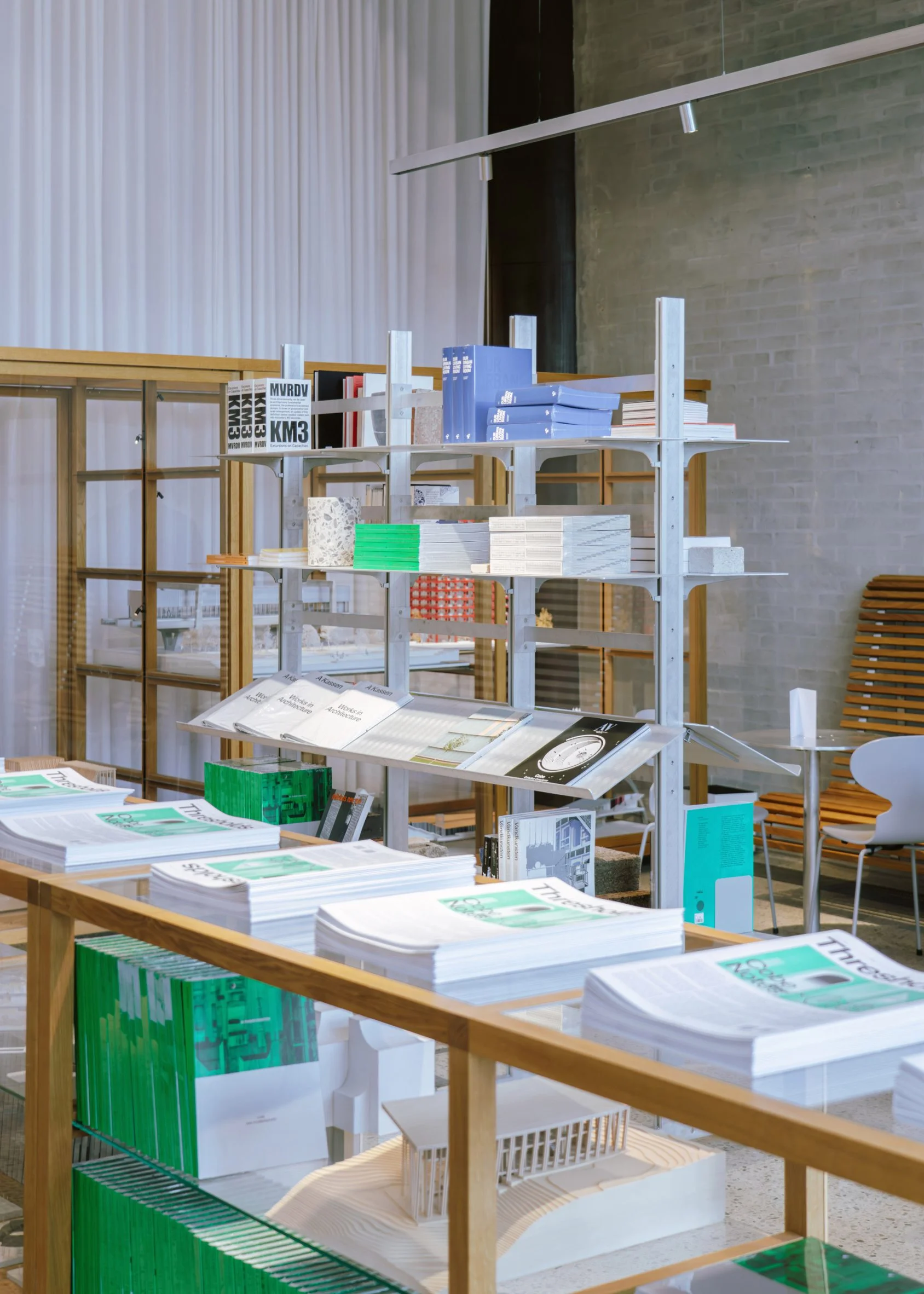
Launched during the popular 3 Days of Design festival, the bookshop showcases literature on architecture, urbanism, landscape, and design from both Danish and international authors. This event is not only a celebration of design but also an opportunity to integrate literary culture into architectural discourse. Custom aluminum shelving and wooden display cases underscore the meticulous design philosophy behind the space, ensuring that aesthetics and function are perfectly aligned.
Strategically Located and Designed for Engagement
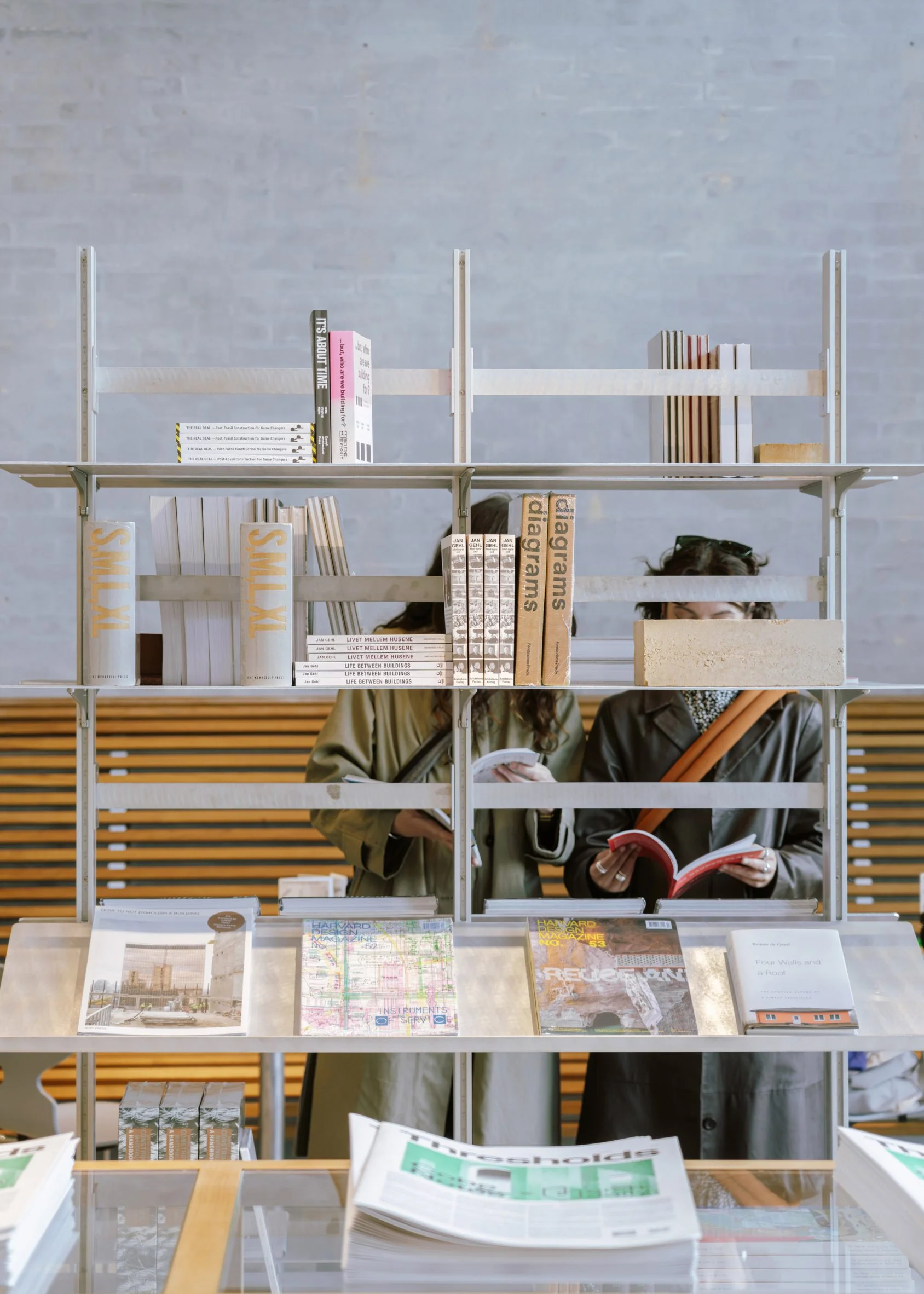
Occupying a prime location inside the studio, just within the street-facing glass entrance, the bookshop is immediately accessible to passersby. This positioning is no accident; it's part of Mentze's plan to demystify architecture and make it more approachable to the general public. By combining a space for reading with an invitation to engage with architectural models, the design blurs the lines between promotional exhibition and participatory experience.
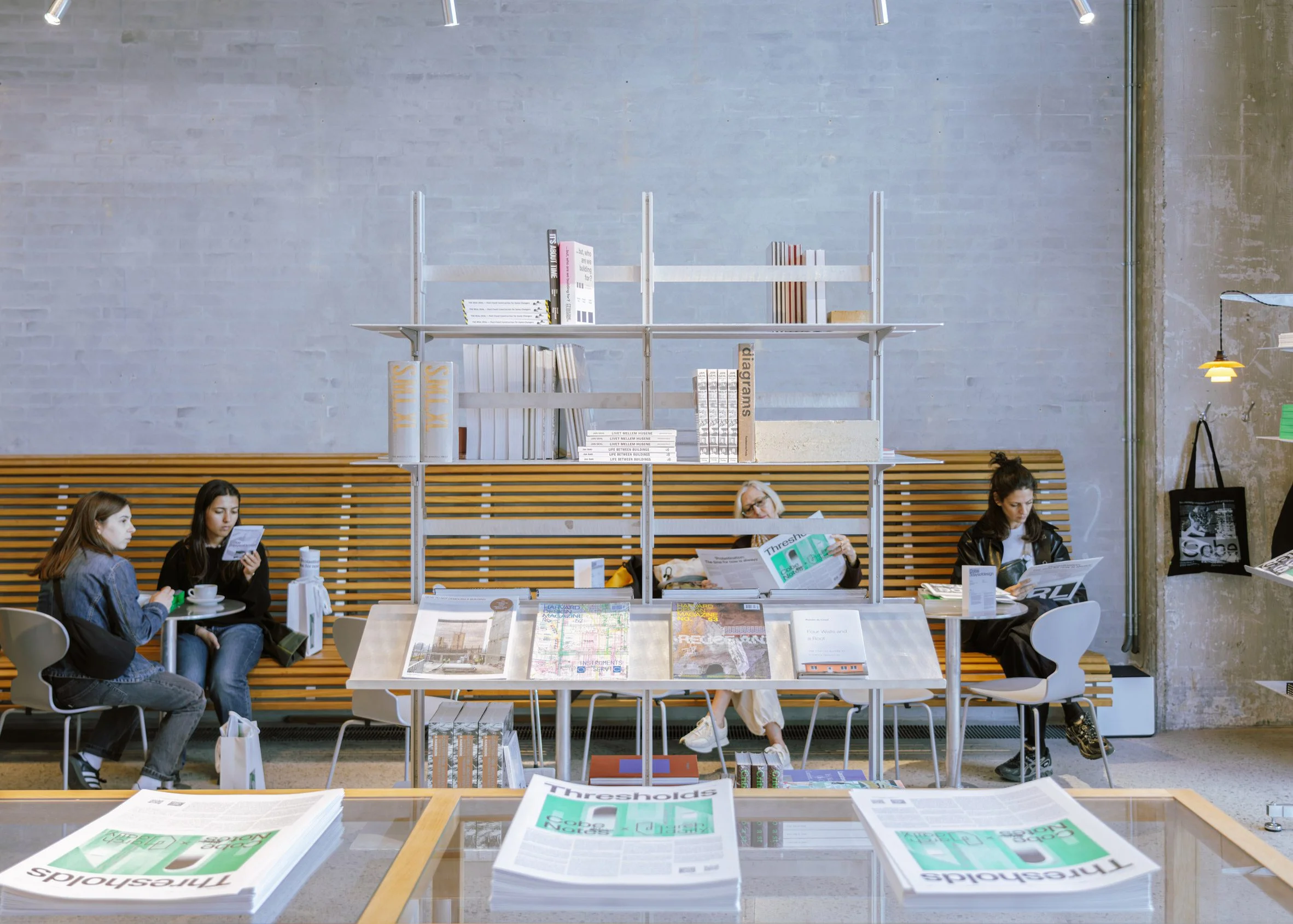
The layout features a spacious wooden bench, deliberately inviting visitors to sit down with a book. This setup doesn't just facilitate reading; it encourages people to linger, thereby fostering community interaction. Mentze's vision for this space transcends functionality, aiming to cultivate a habit of gathering and sharing ideas. By showcasing works from both Danish and international publishers, along with Cobe's own publications, there's a diverse range of perspectives represented.
Creating an Inviting and Interactive Atmosphere
Mentze's project aims to foster a calm and inviting atmosphere conducive to reading and discussion. His statement about organizing an "intimate topology of displays" speaks volumes to his approach. This isn't merely about stacking books on shelves; it's about creating a sensory experience that stimulates intellectual curiosity.
This concept extends to the hybrid nature of the space, which merges characteristics of a reading room, a cabinet of curiosities, and a venue for curated micro-exhibitions. The integration of talks, launches, and informal gatherings allows the bookshop to function as a community hub. Visitors can engage in discussions about architecture while interacting with models and literature, bridging gaps between professionals, students, and casual observers.
Filling a Gap in Copenhagen's Architectural Culture
Unlike conventional bookstores, this initiative aligns with Cobe's vision of fostering engagement with architecture. There's a notable absence of dedicated architecture bookstores in Copenhagen, despite the city's rich architectural heritage. By addressing this gap, Mentze and Cobe are not just offering books—they're cultivating a cultural ecosystem. Dan Stubbergaard, founder of Cobe, pointed out that encouragement of dialogue is vital in their work. In a time when digital distractions abound, creating a physical space for discussion is valuable.
Cobe's previous establishment of a café in 2019 adds another layer to this commitment to community and culture. Both the café and the bookshop work together to enhance the vibrancy of the studio while drawing the public into architectural conversations. This continuity reflects a holistic approach to urban engagement, merging the workspace with sociocultural interaction.
Future Implications and Significance
The creation of this bookshop may have broader implications for the architectural community. It signals a shift where architects are embracing their role as cultural facilitators, extending their influence beyond traditional design. If you're working in this space, you'll recognize how similar undertakings could reshape the interaction dynamics between the public and architecture. This could inspire other firms to adopt innovative ways to engage communities and promote architectural discourse.
As Cobe pursues projects like converting an IKEA warehouse into a furniture museum and transforming farm buildings into a dedicated museum for Hans J. Wegner, their direction seems increasingly focused on turning architectural projects into community assets. This may pave the way for further interdisciplinary collaborations that combine architecture, education, and cultural heritage. This bookshop is just the beginning.
The photography is by Francisco Tirado.
The post Cobe Studio Introduces Unique Architecture Bookshop in Copenhagen appeared first on Dezeen.