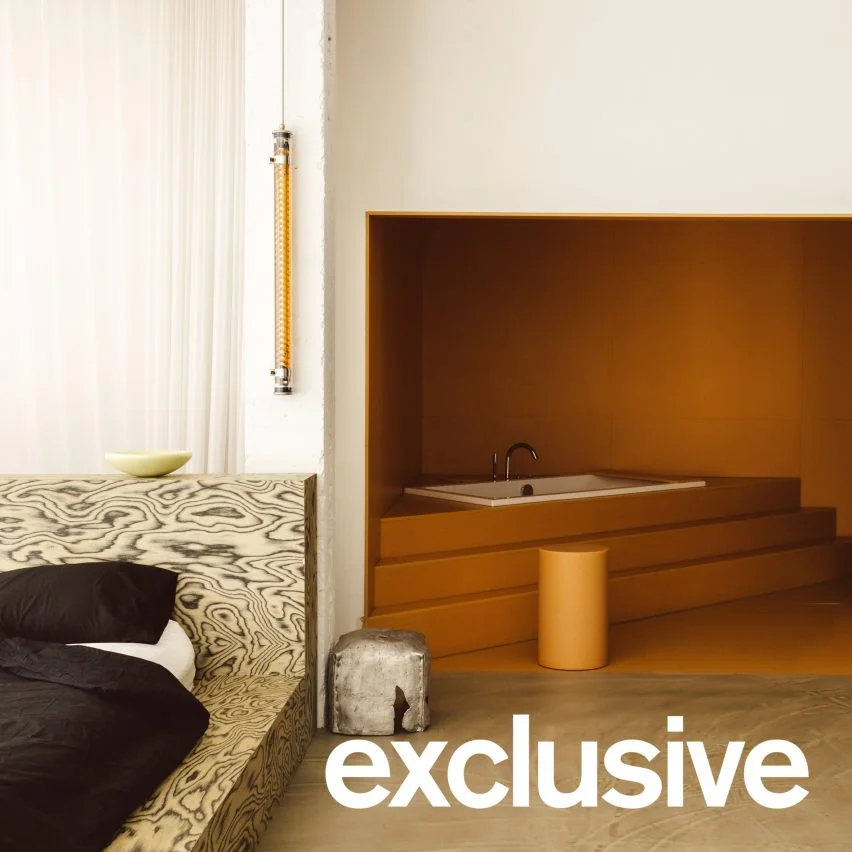
Designer Sabine Marcelis and her architect partner Paul Cournet have transformed a 500-square-metre loft in Rotterdam into an adaptable family home. The space has creatively evolved over the past decade, marked by distinctive features such as a custom resin bathtub and an eye-catching three-metre-tall lava lamp.
A Home of Constant Change
"Our house is really a metaphor for how we like to live our lives," Marcelis reflects. The couple emphasizes flexibility in their living space, enabling continuous reconfiguration in response to their evolving needs, particularly as they embrace the challenges and joys of parenting two young children. This adaptability speaks volumes about contemporary family living, where traditional notions of fixed spaces give way to a more fluid approach. As lives change and children grow, the necessity for a home that can transform with those changes becomes increasingly vital.
Distinctive Design Elements
Located in a building that once operated as a paper factory and later transitioned into a bank, the couple's loft exudes character. This rich history influences the depth of the design ethos, marrying remnants of industrial past with modern sensibilities. The interior boasts a blend of furniture designed by Marcelis and Cournet, alongside bespoke pieces created by friends, making it a hub of creativity and personal connection. The open layout, awash with natural light, creates an inviting atmosphere that fosters interaction, something vital for a growing family.
A striking feature is their uniquely designed bed, framed in swirly timber and enclosed by a netted curtain for added privacy. This thoughtful design, born from the need for a functional backrest after the arrival of their first child, illustrates the couple's commitment to solving everyday challenges with style. "We needed a backrest," she notes, contrasting it with the previous futon. This approach to design transcends mere aesthetics, merging practical needs with artistic expression.
Innovative Spaces for Family Life
In line with their vision of an integrated living area, a vibrant, orange resin bathtub has been positioned strategically alongside the sleeping quarters. Marcelis initially envisioned a glass wall to enclose the bathroom but decided to keep it open. This choice effectively creates a more communal feel, which reinforces the way families interact within shared spaces. "We live in that tub!" she adds, emphasizing the importance of design that encourages familial bonding. Here, a bath isn’t just about hygiene; it's about family rituals and togetherness.
Across the room, the couple's conversation pit-style sofa, previously upholstered in pink, has undergone a recent transformation to a subtle beige. This shift reflects not just a change in aesthetics but suggests awareness of the emotional temperature of their living space. "There was too much color in the house," Marcelis admits, hinting that the pink cover may make a return in the future for a splash of nostalgia. The interplay of colors in a family home matters more than you'd think—it can influence mood, comfort, and even the flow of daily activities.
Functional Artistry
Known for her artistic flair, Marcelis has placed her oversized cylindrical lava lamp next to the Osaka sofa, which encapsulates a delicate green hue that animates the room with warmth and character. This eclectic mix of design serves not only to beautify the living space but also to facilitate familial interaction, inviting guests to engage in conversation and share stories. The lamp isn’t just a light source; it’s a catalyst for memories.
At the opposite end, a custom steel bookshelf designed by local talents provides a counterpoint to the softer textures within the loft. This balance highlights a critical aspect of contemporary design: the merging of form and function. While functionality is prioritized, every piece seems like a curated artwork that invites conversation and connection, elevating the home beyond mere living quarters into a gallery of personal expression.
A Vision for Expansion
The couple’s ambitions for their loft run deep. Cournet mentions a recent acquisition of the building's ground floor, planning to merge it with their current space to create a guest room. "With each kid, we've added a room," he explains, revealing a long-term vision where their home is continuously in flux. This speaks to a larger trend in urban living as families seek multifunctional spaces that reflect their evolving dynamics.
Both Marcelis and Cournet view home not as a final destination but as an evolving canvas. "The moment a house feels finished is the moment it stops being interesting," Cournet states, emphasizing the couple’s dynamic approach to family and design. This philosophy resonates with many modern families who increasingly seek homes that reflect their life stages and personal journeys.
Collaborative Creations
The couple frequently collaborates on design projects, including set design for exhibitions like the recently completed Cartier jewellery exhibition in Melbourne. Their previous joint effort debuted at Milan Design Week, showcasing their shared vision and compatibility in work and life. This synergy highlights the benefits of collaboration not just in professional settings but also in how they curate their home environment.
Ultimately, Marcelis and Cournet's loft reflects their lifestyle and aspirations. Filled with vibrancy, the space is a testament to the creativity and adaptability of modern living. It's a reminder that homes are not static; they're evolving reflections of our lives and relationships. In this light, their design choices lead us to consider the broader implications of how residential spaces can nurture growth, creativity, and community.
Future Outlook
As urban living evolves, families will likely continue to seek out adaptable spaces that reflect their changing needs and lifestyles. The choices made by Marcelis and Cournet could serve as a blueprint of sorts for those looking to reshape their personal spaces. If you're working in this space, pay attention: the importance of flexibility in design cannot be overstated. Homes that welcome change and foster connections are more than merely functional; they become environments that enhance our experiences, ultimately shaping the way we live and connect with one another.
Photography by Letizia Cigliutti.