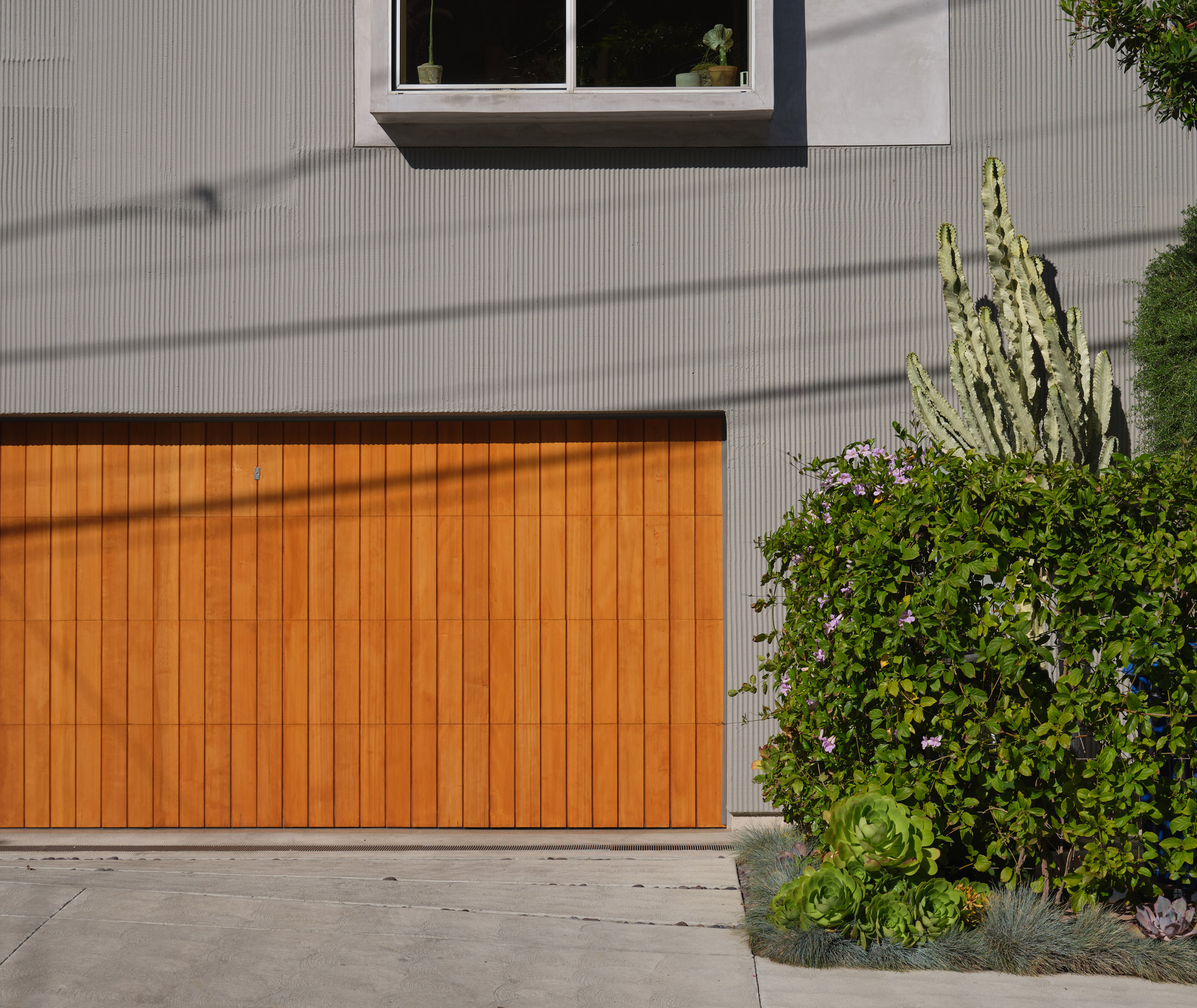
In the heart of Mt. Washington, Los Angeles, A Teatro and Balcony Studio have unveiled the Museum Tower House, a slender, vertical residence that harmonizes with its steep surroundings. This innovative home features facades constructed from striated plaster and interiors designed to evoke the experience of walking through an art gallery.
Sitting on a compact, restricted lot, the Museum Tower House is capped at 1,407 square feet (131 square meters) and includes both a two-car garage and an accessory dwelling unit (ADU). The design sets out to blend seamlessly with the site while embracing the area's historical context, notably its proximity to the Southwest Museum of the American Indian.
Design Inspired by Nature and Heritage
Architecture lead David Gonzalez Rojas and his team approached the project with a commitment to innovation amidst spatial limitations. They envisioned a narrow, four-story structure that aims to capture a connection with nature, evoking a sense of being rooted in the hillside.
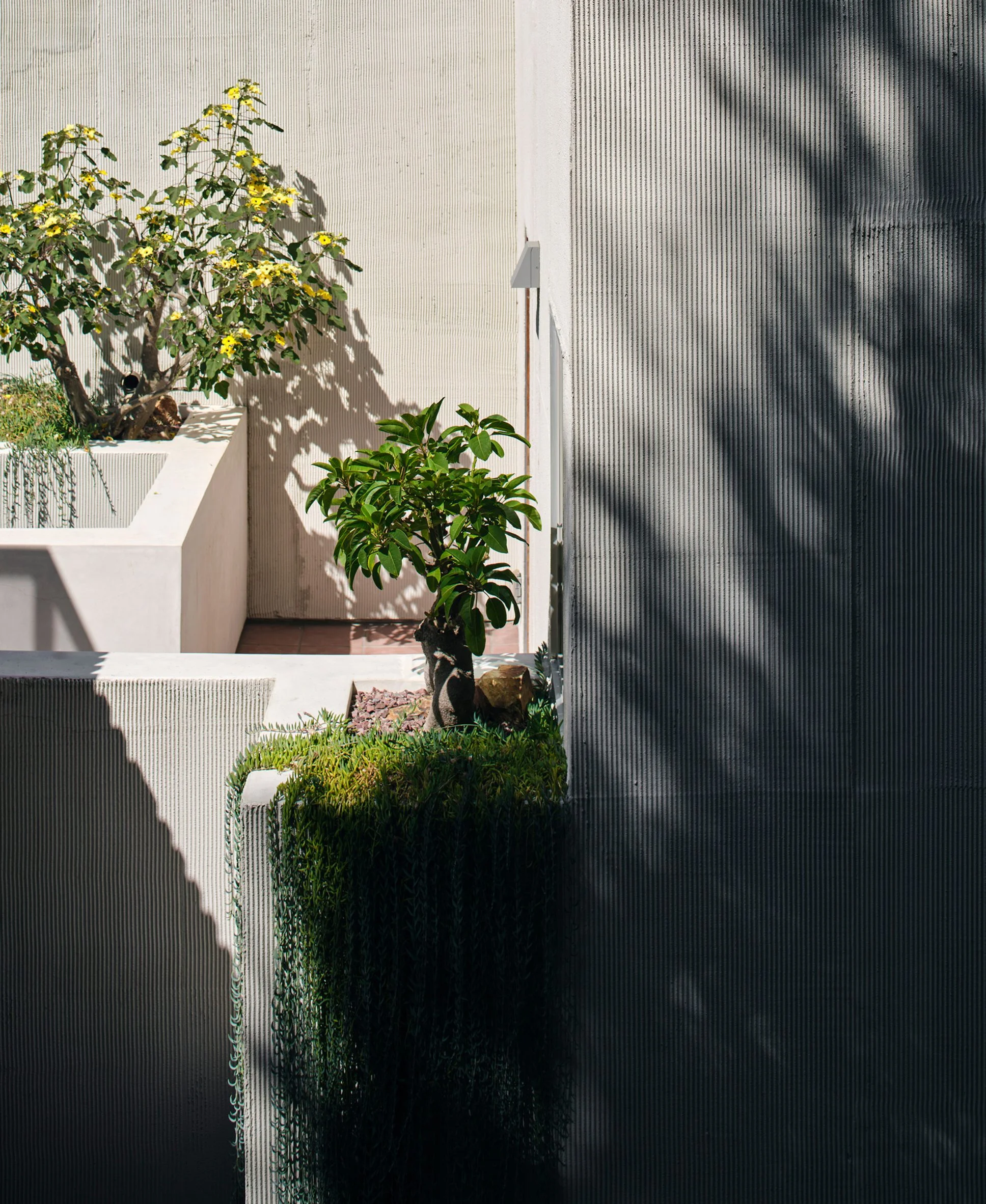
The concept of building upward, especially in such a restricted space, isn't just a clever response to zoning laws and land use; it’s a creative solution to urban living. In cities with limited space, vertical designs have become increasingly popular, allowing for more living area while minimizing land footprint. The Museum Tower House exemplifies this trend. The house’s design includes open-air courtyards and external circulation that amplify spatial perception. Stairs climbing the front corner provide access to upper floors, inviting both light and air into the residence. The construction employs window boxes resembling lanterns, enhancing the sensation of verticality while providing visual interest.
Interior Spaces that Enrich Daily Life
The interiors, crafted by Balcony Studio, draw inspiration from the Southwest Museum's historical narrative, creating spaces intertwined with storytelling and a reverent atmosphere. This approach extends to the homeowner's affinity for life and greenery, resulting in a series of intimate rooms that unfold like gallery exhibitions. You can almost sense the care that was taken to ensure that each room transitions beautifully from one to the next, making the 1,400 square feet feel much larger.
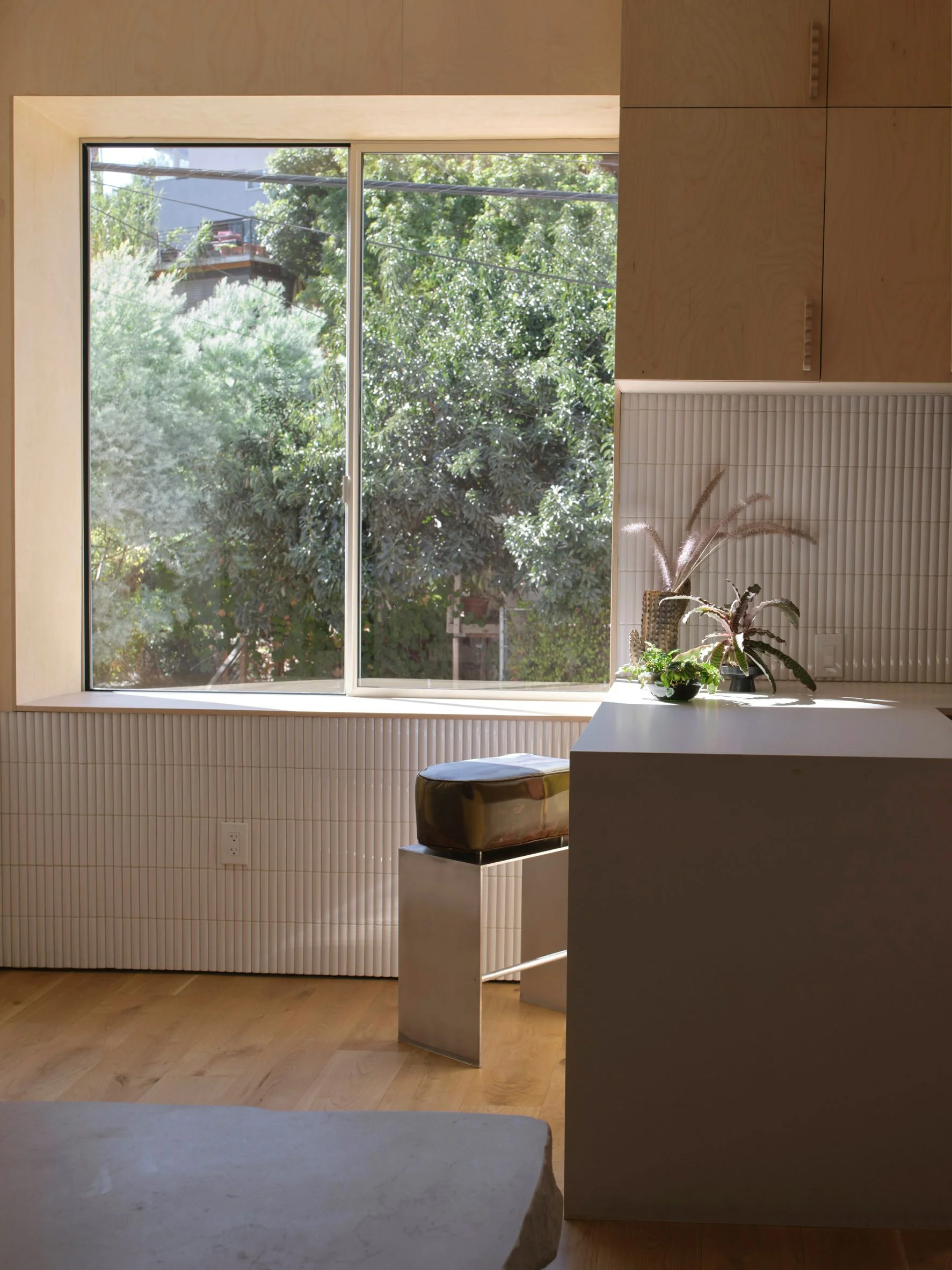
The residence showcases warm earthy finishes juxtaposed with cooler surfaces like concrete, instilling a sense of balance within the home. Floral artist Jiahao Peng's botanical elements add vibrancy, acting as living sculptures that bridge indoor and outdoor experiences. This integration of nature not only enhances aesthetic appeal but also promotes well-being, aligning with contemporary design philosophies that encourage the connection between inhabitants and their environment.
The living area is envisioned as a "shadowed garden," filled with unique sculptures and hand-selected furniture that echo natural forms. Notable pieces include a coffee table by Polina Miliou and a rug from Christopher Farr, both of which are designed to enhance the serene environment. This thoughtful selection creates a cohesive narrative throughout the space, emphasizing comfort and reflection. The intimate scale of the rooms and the careful arrangement of furniture offer a personal touch that's all too rare in modern architecture.
Functional and Creative Outdoor Spaces
Outdoor areas also mirror the home’s aesthetic, with a welcoming courtyard featuring a solid wood dining table and an open-air lounge perfect for entertaining. An upper “yoga deck” offers a serene escape with sweeping views of the architectural elements, revealing the layered essence of the structure. This element is not merely an afterthought but a vital part of the overall design, allowing the occupants to engage with their environment.
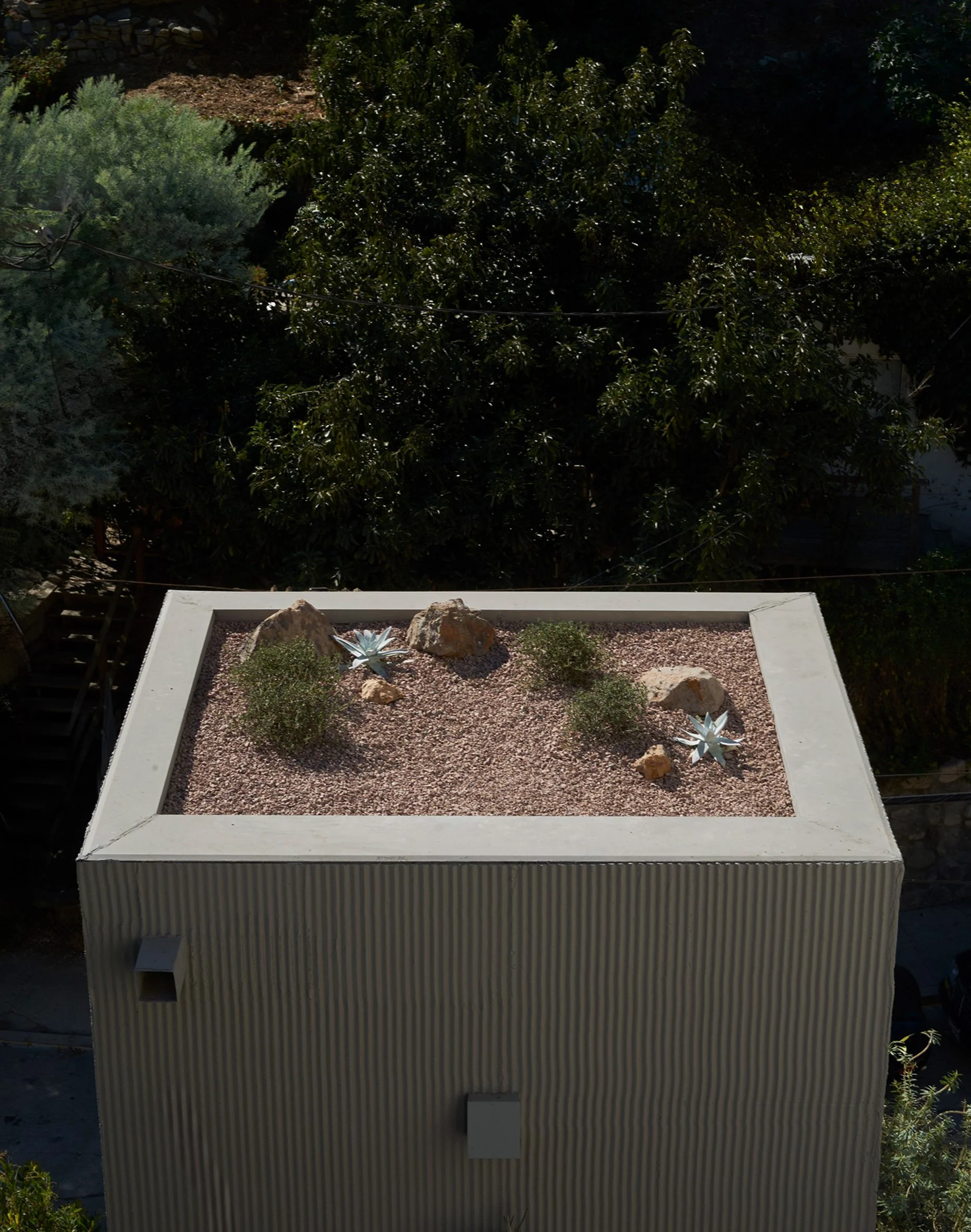
In contrast to many modern homes that often prioritize interiors at the expense of outdoor spaces, the Museum Tower House successfully integrates both. The outdoor features serve not only as recreational areas but also as extensions of the indoor living experience. You can envision gatherings around the dining table or serene moments spent in yoga practice, both enhanced by the stunning views and thoughtful design.
Implications and Future Outlook
Much more than a quirky building, the Museum Tower House stands as a testament to architectural creativity in addressing spatial constraints while fostering a deep connection with both nature and heritage. The engaging interiors and functional outdoor spaces create an enriching living environment that resonates with its natural setting. It raises a critical question for urban developers: As cities become denser and land becomes scarcer, how will architects adapt? This project illustrates the potential of restricted lots to deliver innovative, livable spaces.
If you're working in this space, take note: the features here challenge the typical assumptions of urban design. With sustainability and livability at the forefront, the principles demonstrated in the Museum Tower House could inform future projects and inspire architects facing similar constraints. What this means for the broader market is simple: adaptable design can lead to robust community engagement and appreciation.
The photography is by Erik Stackpole Undéhn.
Project credits:
Architect: A Teatro
Architecture team: David Gonzalez Rojas, Olga Oreshkina and Jesse Madrid
Interior design: Balcony Studio
General contractor: BM Construction
Structural and civil engineer: Thang Le & Associates
Geotechnical engineer: Irvine Geotechnical
Energy consultant: Alternative Energy Systems
Producer/owner: Devin Gharakhanian
The post Museum Tower House: An Elegant Response to Los Angeles' Hillside Constraints appeared first on Dezeen.