Architectural Concept and Design Philosophy
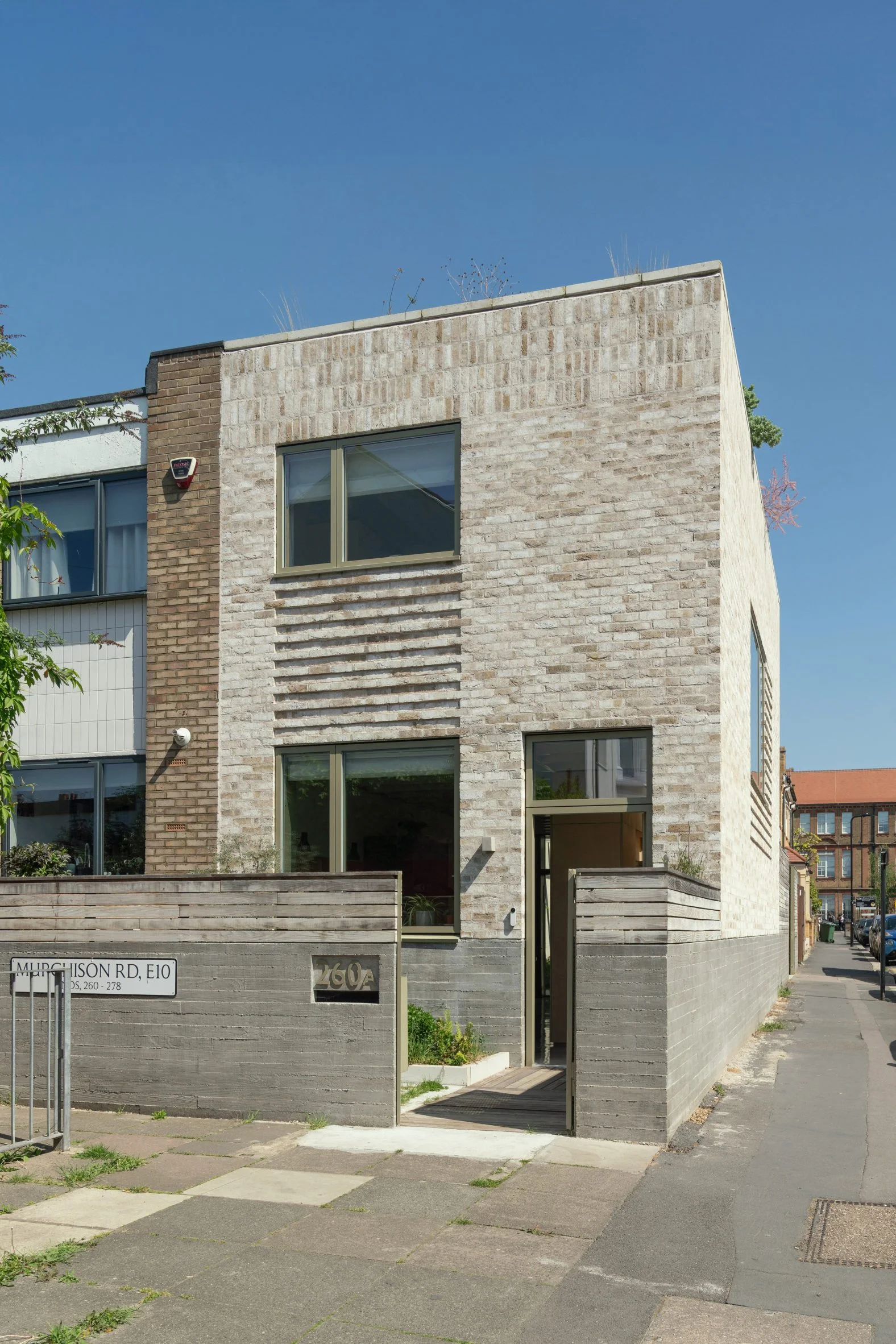
Architect Joe Burke has recently completed Leyton House, a new build that complements an existing 1960s terrace in Leyton, east London. This self-built structure features rough pale brickwork and a tactile concrete plinth, creating a unique blend of contemporary design and local architectural history. By choosing design elements that resonate with the existing structures, Burke offers a refreshing integration of his creation into its urban setting, ensuring it doesn't merely stand out, but rather complements its heritage.
Site Selection and Personal Involvement
Burke chose the garden of his end-of-terrace unit, measuring 4.5 meters wide, as the site for this rental home. Managing the project personally as the architect, developer, and contractor, he maintained close proximity by living next door. This close involvement isn't just a trend in architecture. Many modern architects see value in being hands-on throughout every stage of their projects. They believe it fosters a connection with the material and a deeper understanding of the site dynamics. Burke embodies this principle, taking on multiple roles to ensure his vision reflects his intent perfectly.
Architectural Harmony
Leyton House introduces a fresh street frontage to the eastern side of the terrace, mimicking the existing block's dimensions while diverging through its choice of materials—boardmarked concrete and textured pale bricks with distinctive window surrounds. What's intriguing here is the balance Burke strikes. While he draws from the established architectural vocabulary of the area, he isn't afraid to interject a modern twist. This approach reflects a broader conversation in urban design: how to respect the past while embracing the future.
"The design aimed to maximize the potential of a narrow end-of-terrace plot, while ensuring the building stayed proportionate, welcoming, and in tune with its surroundings," Burke explained. He acknowledged a vision for this property as a high-quality rental, keeping its future occupants in mind throughout the design process. This focus on occupant experience challenges the common practice of prioritizing aesthetic appeal over functionality, placing people at the center of design.
Interior Design and Space Efficiency
The interior design emphasizes space efficiency, featuring a custom plywood staircase that integrates storage solutions, including a cloakroom and pantry. This central storage area extends beneath the staircase, adding functionality without sacrificing aesthetics. It’s a growing recognition that urban living often means making the most of every available inch. Here, Burke shows how smart design doesn’t have to feel cramped; instead, it can feel clever and spacious.
The home's layout includes a central dining area flanked by an L-shaped plywood kitchen and a lounge, which connects fluidly to the rear garden. That seamless connection reflects a fundamental principle of modern living — the idea that indoor and outdoor spaces can coexist in harmony, enhancing the overall experience. If you're working in this space, understanding these connections can be invaluable.
The staircase's position on the eastern side allows natural light to flood the space while maintaining privacy. At the top, the landing, lined in pale brick similar to the exterior, bridges two ensuite bedrooms, lending an airy feel reminiscent of outdoor spaces. This meticulous attention to light and texture adds depth to the experience of daily living.
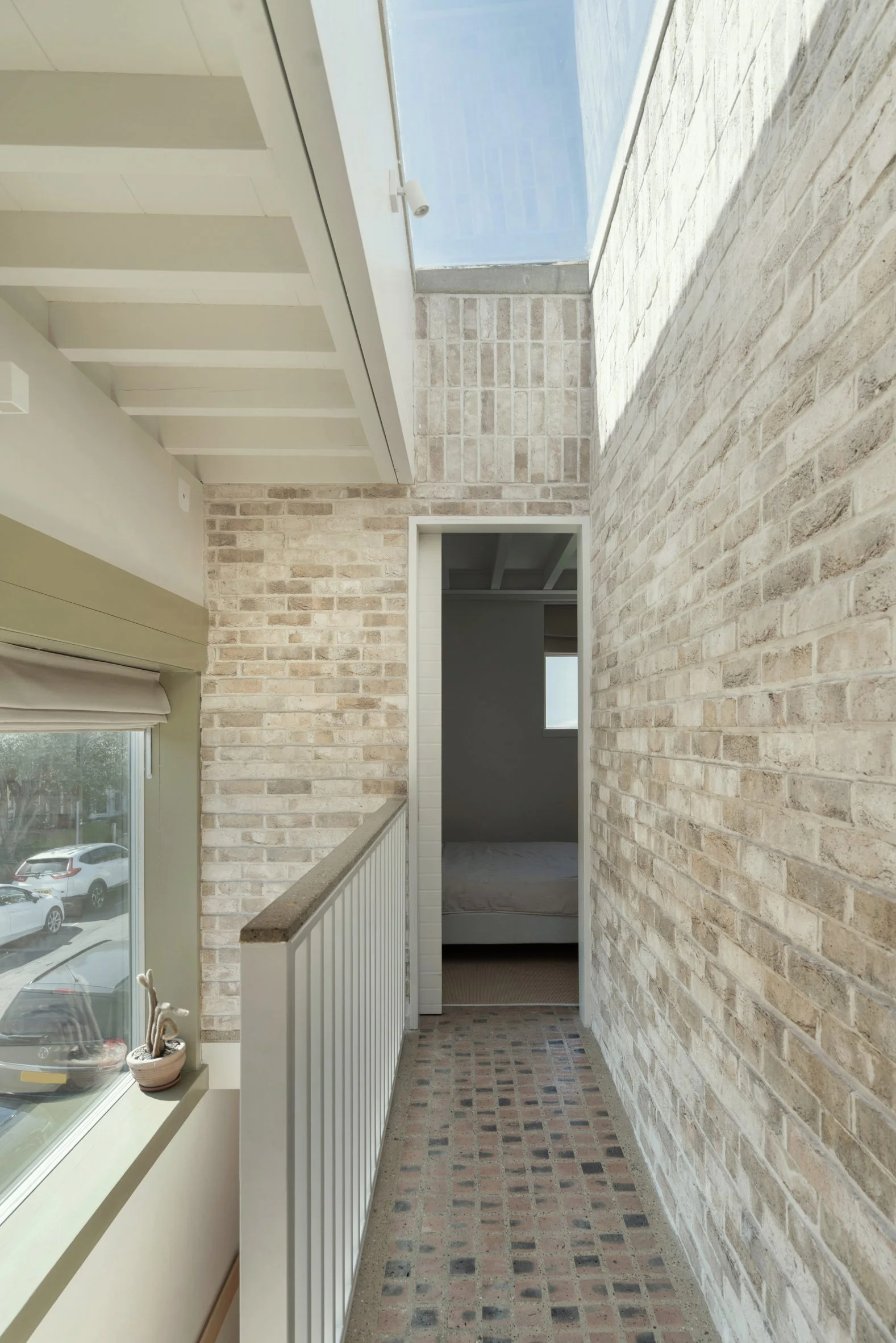
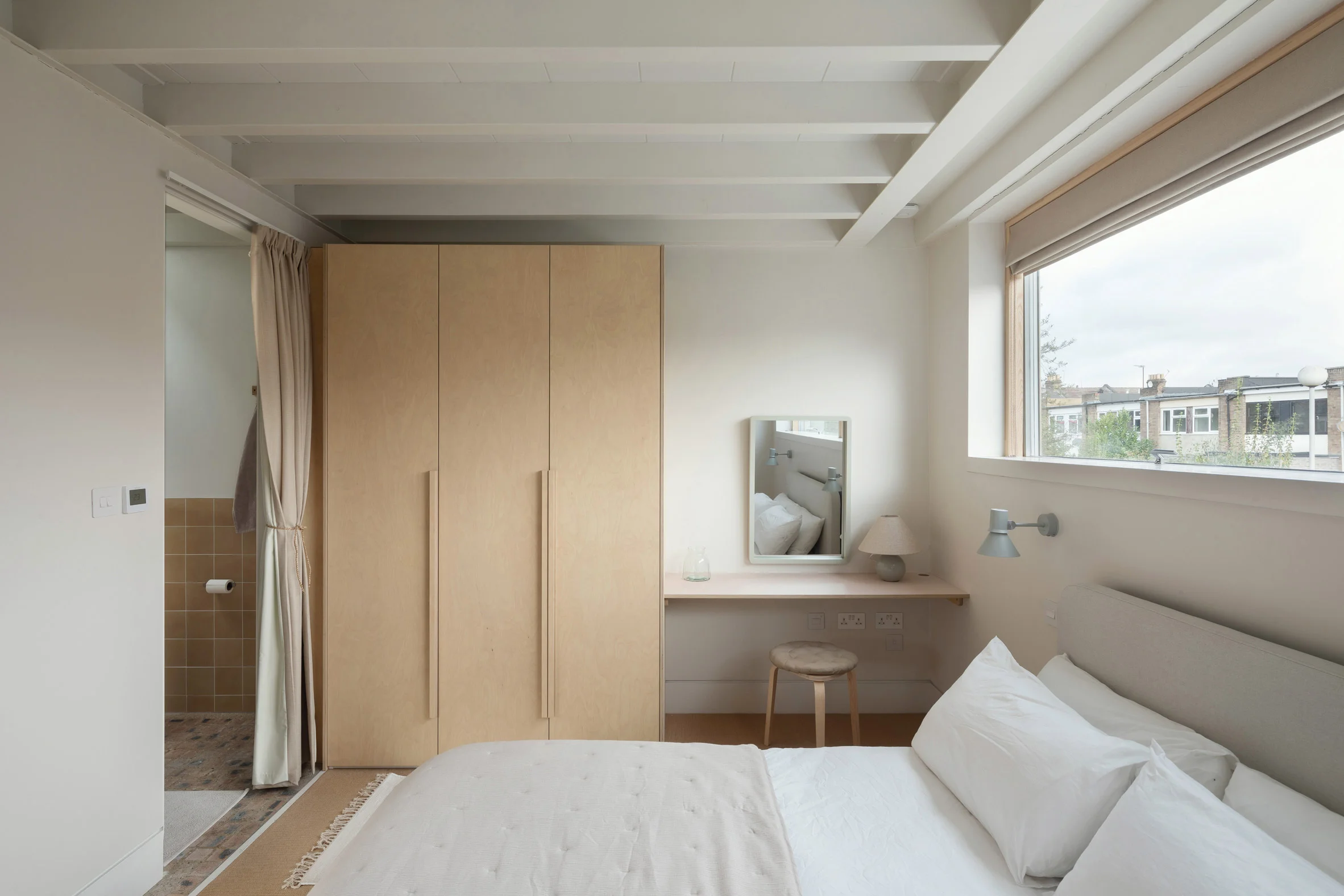
Internally, finishes were selected for their simplicity and durability, featuring white-painted timber ceilings and walls, glossy concrete flooring on the ground level, and practical tiles in the bathrooms. Burke's choices spotlight a design philosophy that promotes longevity without sacrificing style. It's a refreshing move away from trends that prioritize immediate aesthetics over lasting functionality.
Garden and Outdoor Dynamics
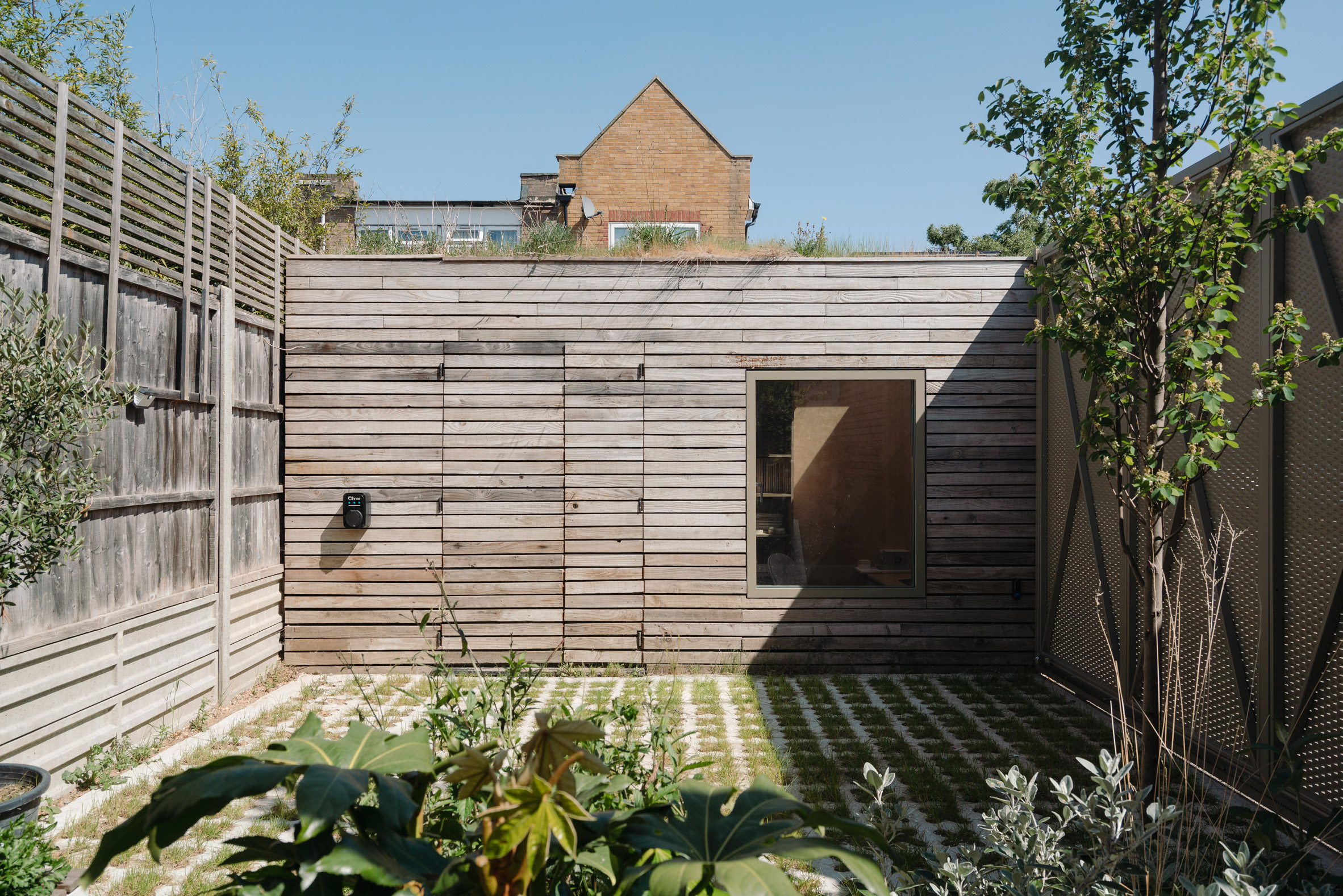
The garden space features a white timber pergola overlooking a driveway leading to a standalone garden studio, completed with a pale green gate connecting to the adjoining street. A fence crafted from repurposed concrete plinth shuttering forms a shield from street visibility. This creates a small oasis amid the bustle of urban life, a much-needed respite in increasingly crowded environments.
Growing Trends in Self-Builds
Other projects in London illustrate a growing trend toward self-builds, as evidenced by architect Nikjoo's recent contribution of a sculptural, curved brick residence adjacent to another 1960s terrace. This shift reflects a broader cultural movement where self-sufficiency and personalized spaces are increasingly valued. It’s subtle, but self-builds like Leyton House represent a push against cookie-cutter developments that dominate many urban environments.
Implications and Future Outlook
Burke's Leyton House stands as a testament to thoughtful urban design, showcasing how tight spaces can yield high-quality living environments while respecting local heritage. The success of such projects might embolden more architects and developers to consider self-build avenues, especially as affordability becomes an ongoing concern in major cities. This could spark a transformation in how residential projects are approached, encouraging more personal involvement from architects and fostering innovation that pays homage to local character. Watch this space: the conversation about urban living isn't over yet.