Lève Office Bar, a space inspired by 1960s office aesthetics, has taken center stage in Turin, Italy. This innovative venue, designed by Italian architect Fabio Fantolino, offers a lively atmosphere that appeals to urban professionals looking for a blend of work and leisure.
A Historical Revival
Located in the bustling city center, Lève Office Bar reflects the charm of post-war American workplaces. Originally constructed in the 1920s, the building once housed a café and a bookshop, integral parts of the local fabric. The transition from these traditional offerings to a modern bar highlights a shift in urban culture, showcasing a need for multifunctional spaces that accommodate both relaxation and productivity.
Design Intentions
Fantolino intentionally designed the bar to cater to the daily needs of city dwellers, such as breakfast, coffee breaks, and post-work aperitivos. "We wanted to capture an era when offices were beautifully designed spaces," he shared. "In a way, this venue embodies the modern office bar concept that merges work and leisure in a thoughtful manner." This fusion goes beyond mere aesthetics; it suggests a cultural shift towards a lifestyle where the boundaries between professional and personal life blur.
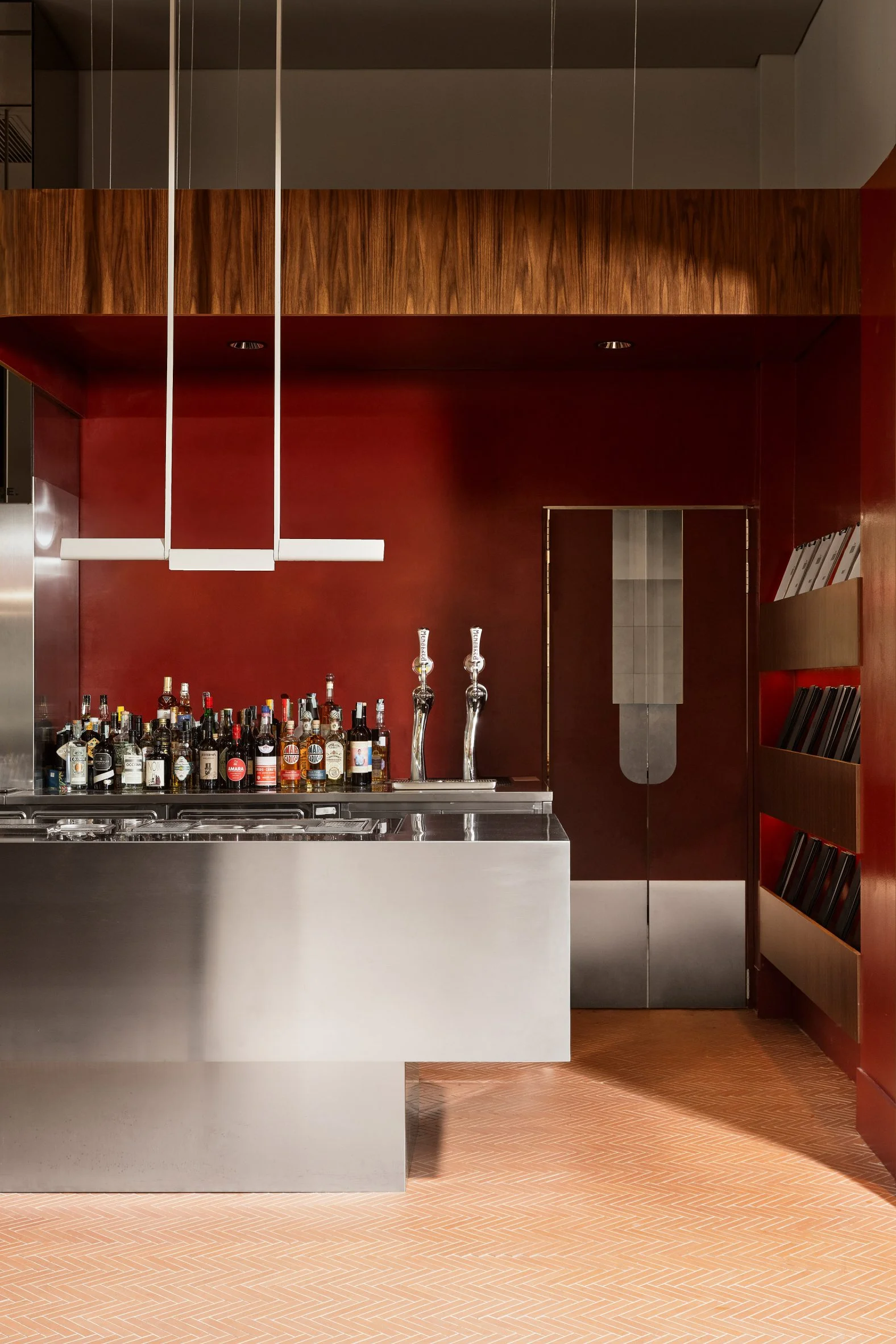
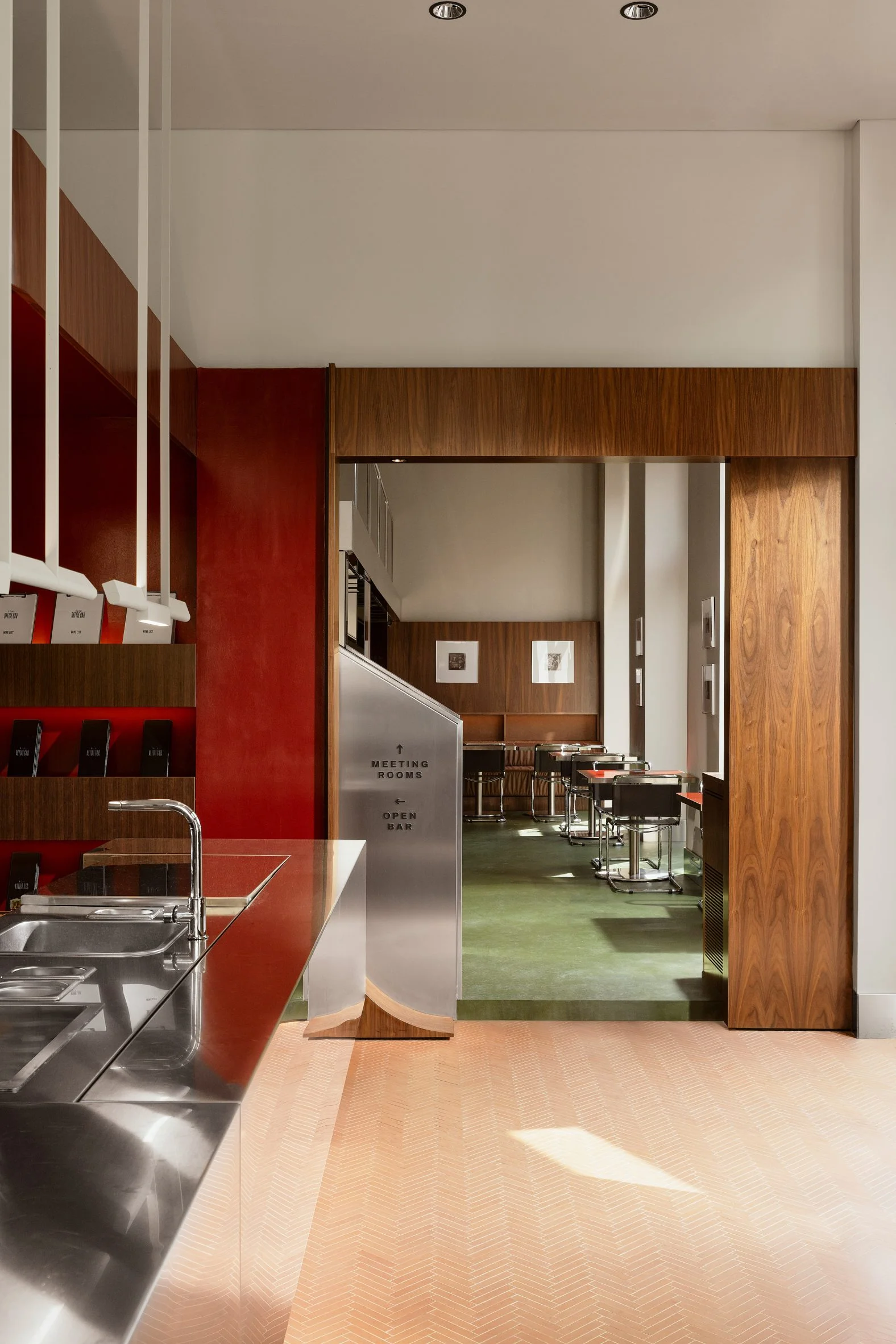
The layout of Lève is marked by a bold, monolithic stainless-steel bar, complemented by a striking red enamel wall. This creates an inviting entrance that draws patrons into the space. Here’s the thing: while the design evokes nostalgia, it also serves as a commentary on today's work culture. The seamless integration of style and functionality speaks to a broader trend in urban development.
Reinterpreting Workspaces
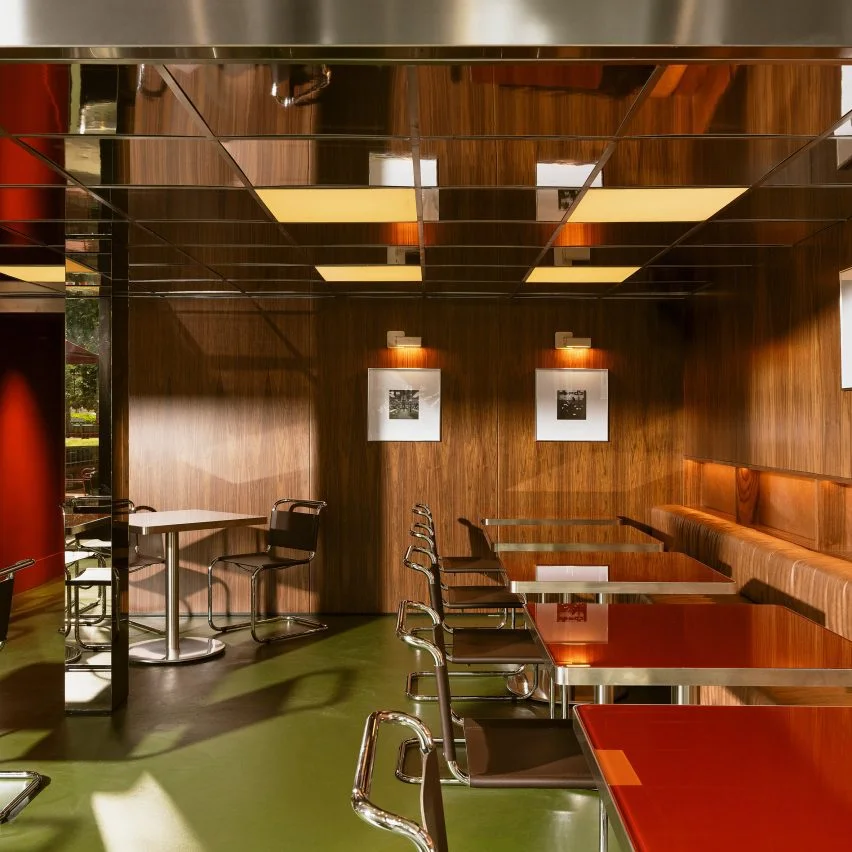
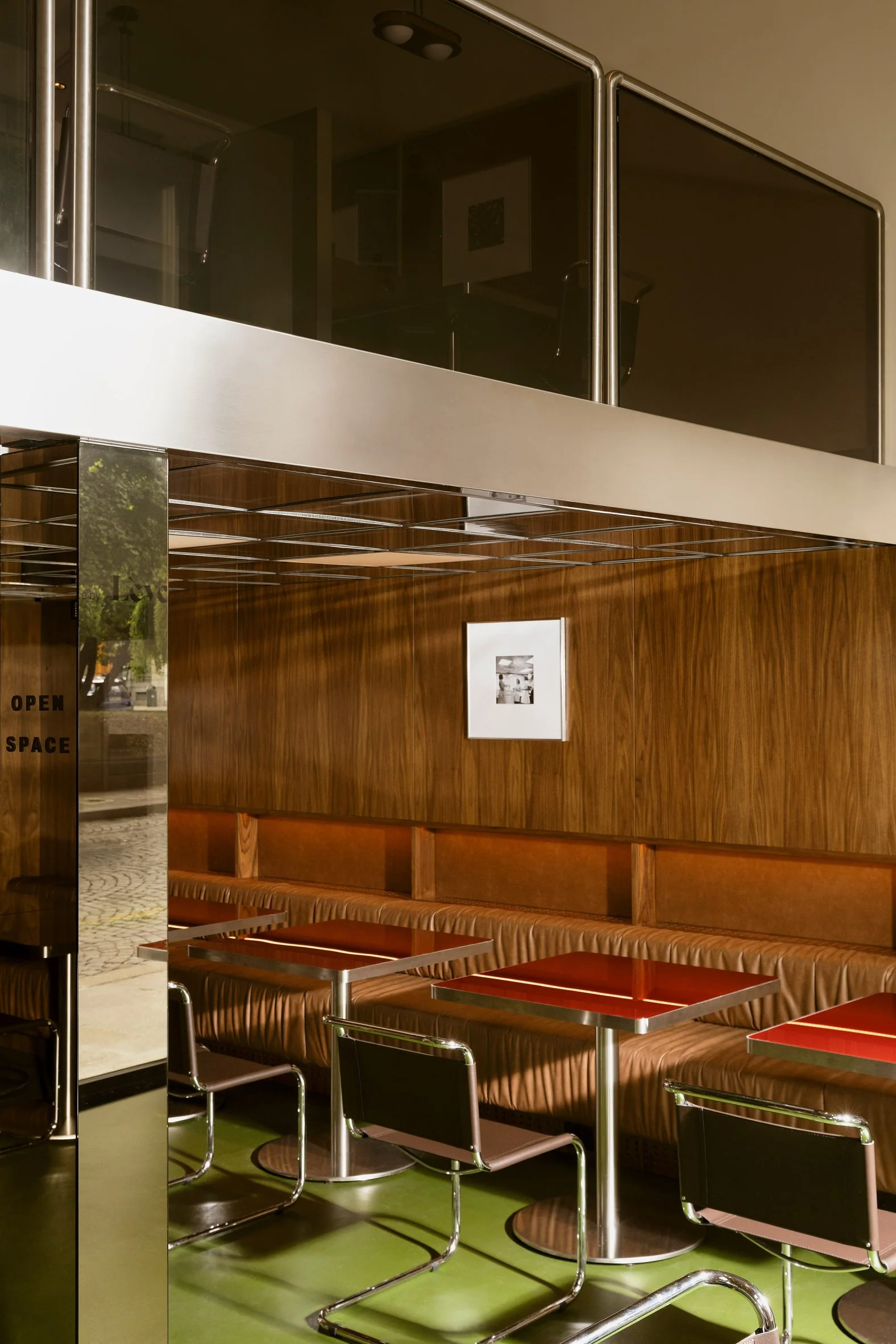
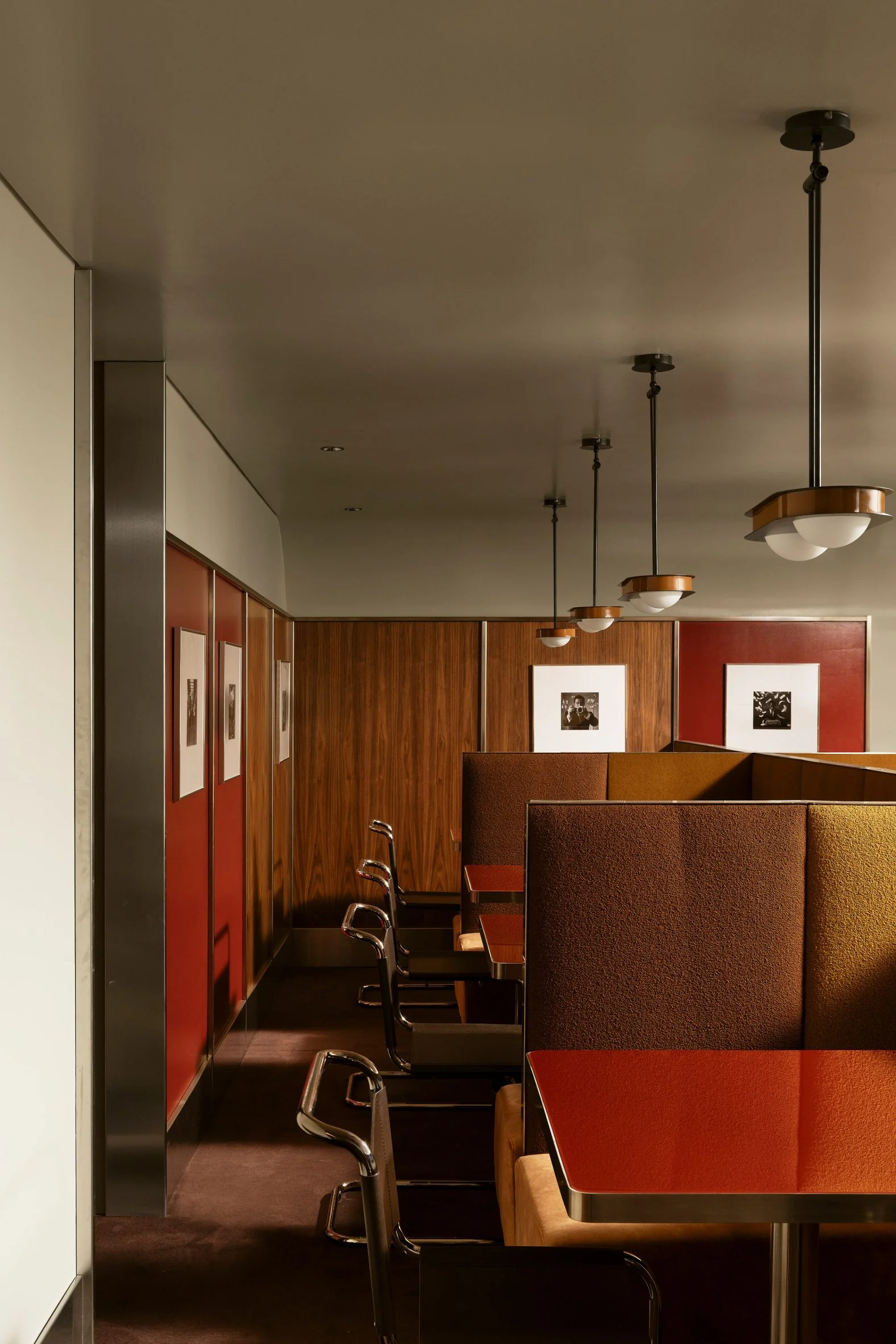
The interior design cleverly reinterprets the open-plan office concept, with each area showcasing a unique style. Offering a blend of functionality and nostalgia, the seating arrangement includes banquette-style fawn leather benches and red-topped café tables alongside chrome cantilever chairs. This mix mirrors the eclectic nature of modern work environments, where comfort and style are becoming increasingly intertwined in everyday settings.
In terms of ambience, the double-height ceilings and mirrored panels creatively reflect the typical office design, transforming common spaces into inviting social hubs. "We embraced the existing mezzanine, allowing us to introduce office-like partitions that promote an intimate atmosphere for mingling rather than solely focused work," Fantolino explained. Those partitions, far from obstructive, encourage interaction while still providing a sense of personal space. In essence, they represent how the modern workforce seeks more than just a desk and chair; they crave environments where creativity can flourish.
Upper Level Dynamics
The upper level resembles traditional office spaces, featuring cubicle-like zones defined by high-backed sofas. Yet, these partitions foster a feeling of comfort rather than isolation, contributing to the conviviality of the space. This duality is significant. It showcases how the boundaries between leisure and work are redefined in contemporary settings, allowing for a cohabitation of both elements in a public venue.
To further accentuate the 1960s vibe, lighting fixtures, including pendant lights and sconces, enhance the bar's aesthetic while maintaining a balance with the modern elements of the design. The mix of materials—enamel, chrome, and textured leather—coupled with a contained color palette punctuated by vibrant hues, solidifies Lève Office Bar's distinctive character. Every choice seems deliberate, aiming to create an environment that's as much about experience as it is about design.
A Unique Experience
"We aimed to craft an experience reminiscent of stepping back into the 1960s while ensuring it feels contemporary," Fantolino concluded, promising that visitors would find themselves in a unique atmosphere. The intention behind this venue aligns with a broader cultural movement that embraces nostalgia while adapting it to fit modern sensibilities.
Implications and Future Outlook
This trend towards spaces that blur the lines between work and leisure has implications for urban planning and the future of hospitality. As more professionals seek places that cater to their multifaceted lives, establishments like Lève Office Bar may become increasingly necessary. This intersection of work and relaxation may encourage other cities to adopt similar concepts, fostering environments conducive to creativity and collaboration.
Photography credits: Luca Argenton