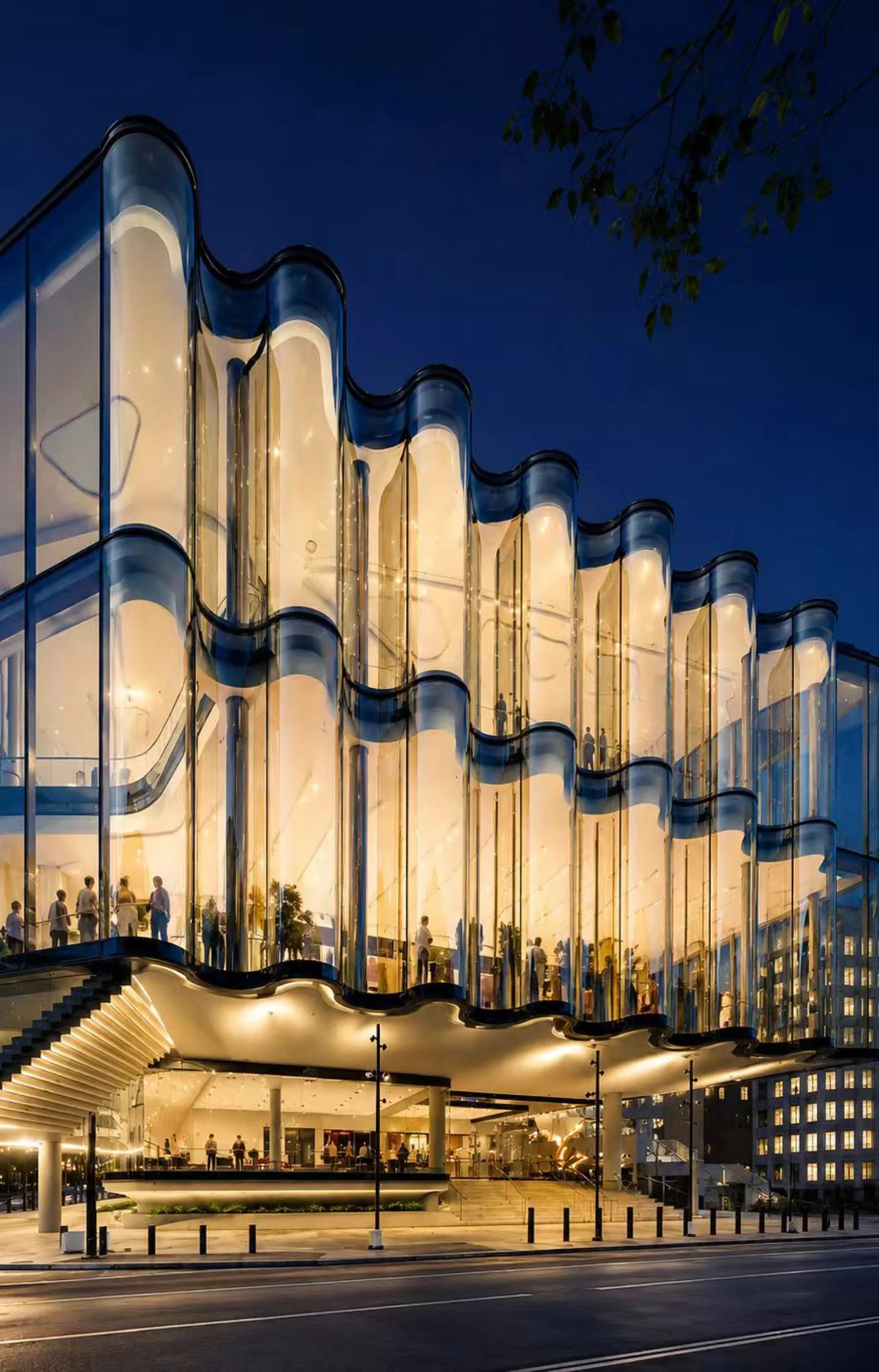
NorthGlass, a leading glass manufacturer, has pioneered a remarkable curved glass technology that has been used to create the striking rippling facade of the Glasshouse Theatre in Brisbane, Australia. This theatre serves as a contemporary extension to the brutalist Queensland Performing Arts Centre (QPAC), making QPAC one of the largest performing arts complexes in the country. The integration of glass in such a prominent cultural institution not only adds to its aesthetic appeal but also marks a shift in architectural design thinking, merging functionality with artistic expression.
Architectural Collaboration
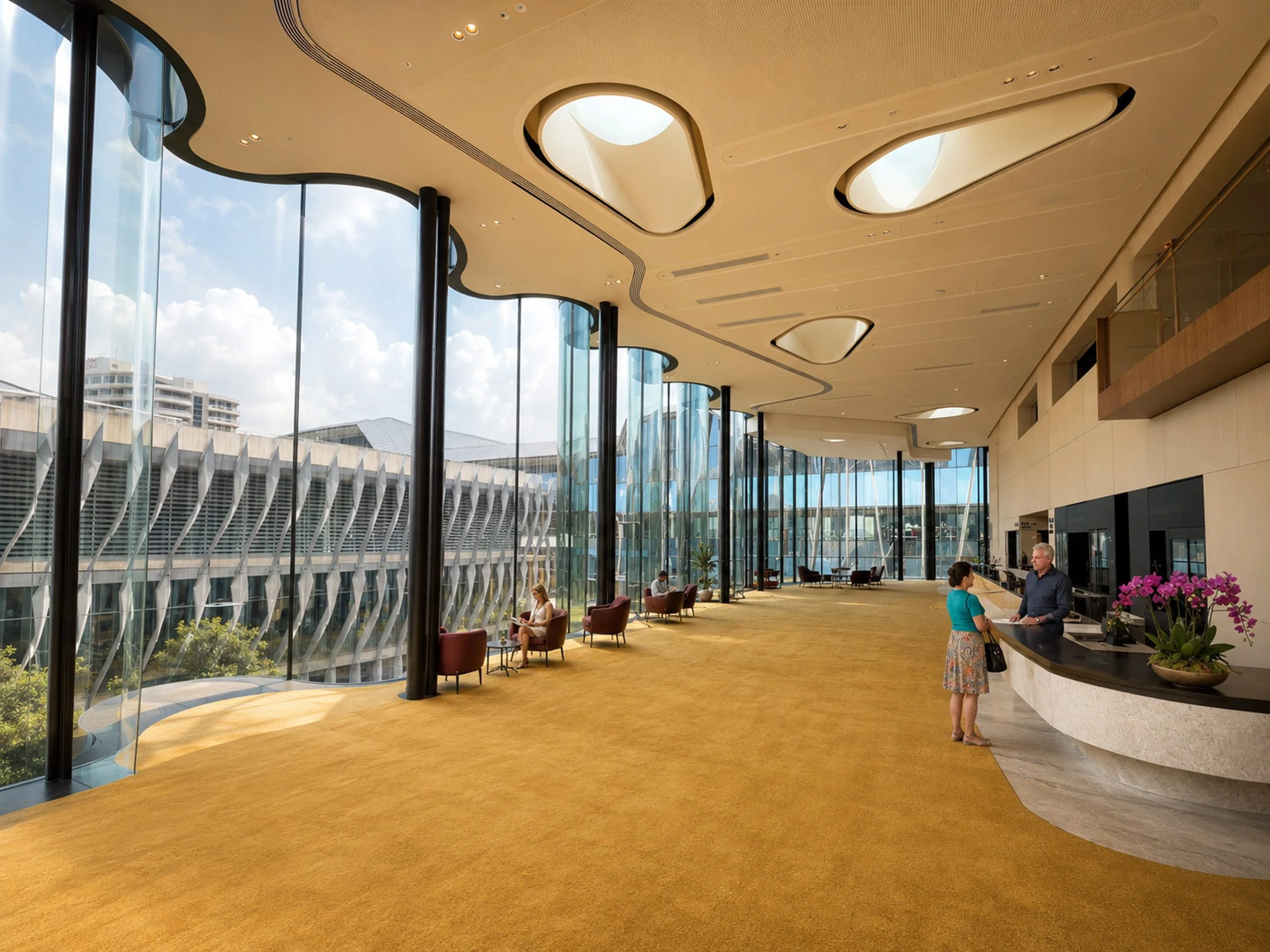
Designed through a partnership between Australian firm Blight Rayner Architecture and international studio Snøhetta, the Glasshouse Theatre features an undulating glass facade that envelops a cantilevered first floor. This visual centerpiece makes the foyer a transparent, inviting space, connecting the theatre with the busy streets of Brisbane. The collaboration between these distinguished firms is significant, as it reflects an approach that draws upon both local knowledge and international design paradigms.
Brisbane's urban environment presents unique challenges and opportunities for theatre design. In this context, the Glasshouse Theatre’s design fosters community engagement, activating the space in a way that encourages passersby to become part of the theatrical experience. This is more significant than it looks; opening up cultural venues to the public not only enriches the artistic scene but also increases foot traffic in the surrounding area, potentially benefiting local businesses.
Inspiration and Design
The facade's design draws inspiration from a prose poem by Murri artist Lilla Watson that evocatively references the rippling waters of the Brisbane River, enhancing both the emotional and cultural context of the structure. This connection to local history and environment enriches the visitor's experience, linking the physical space of the theatre with the broader narratives of the region. Such thoughtful integration of regional culture into architecture elevates the Glasshouse Theatre from a standalone building to a part of a larger story that resonates with locals and tourists alike.
The continuous seven-meter-high transition between its wave-like forms emphasizes transparency and fluidity in design. This is vital; the interplay of light and reflections on the glass creates dynamic visual experiences that change throughout the day, deepening the relationship between the internal and external worlds. This nuanced design choice contributes to a broader architectural dialog about the role of materials in storytelling and experience within public spaces.
Technical Advancements
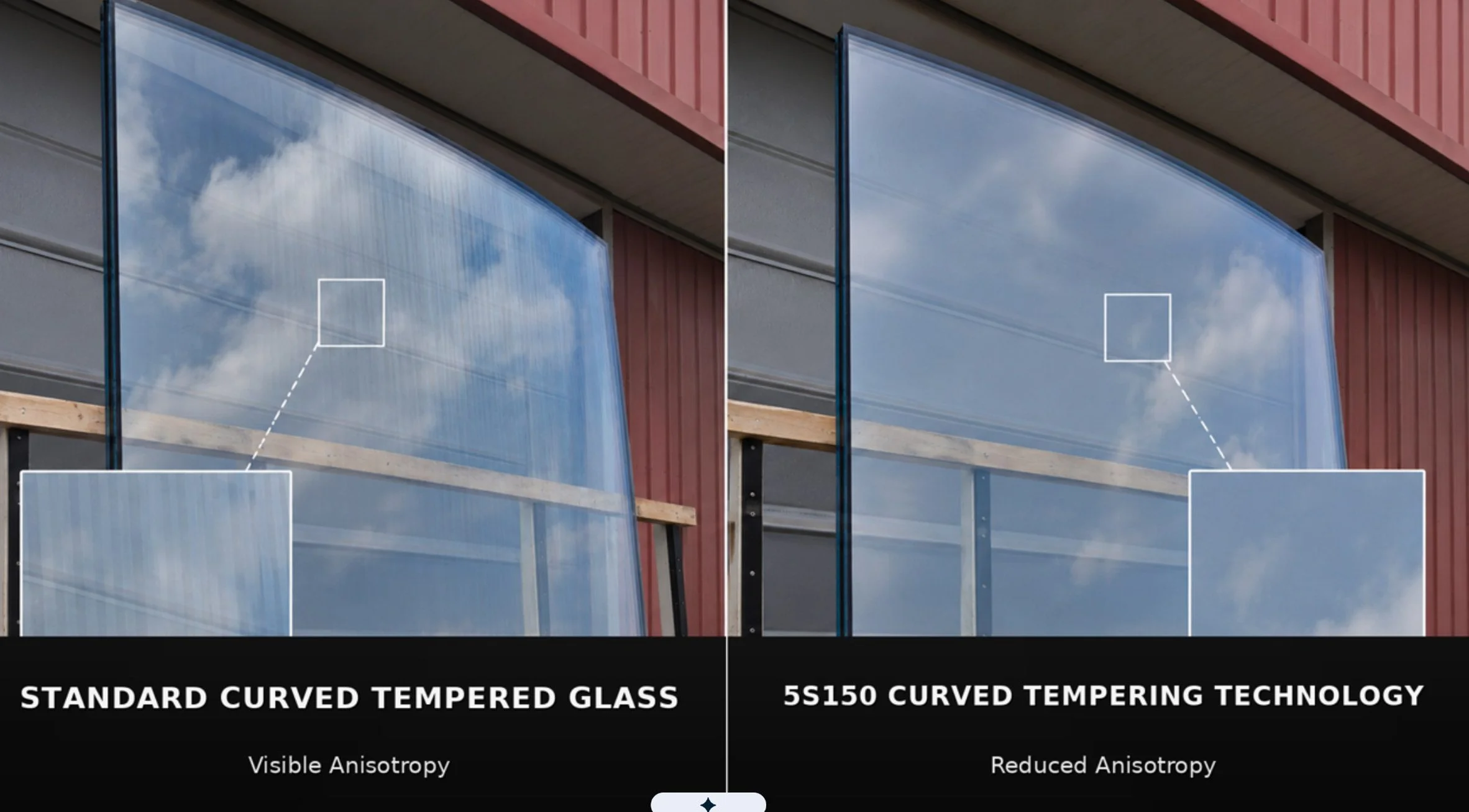
Developed at the Tianjin NorthGlass factory, this new curved tempering technology allows for the bending of large glass panels while preserving optical quality and minimizing undesirable imperfections like roller waves and visible stress patterns. This precision is essential for achieving the aesthetic goals of the Glasshouse Theatre while ensuring safety and durability. The manufacturing process requires meticulous attention to detail, as even minor flaws can detract from the overall impact of the design.
The use of laminated insulating glass contributes to the strategically crafted aesthetic, ensuring that the final spatial experience aligns with the artistic vision. NorthGlass emphasizes that its 5S150 curved tempering technology effectively manages anisotropy and optical distortion during the production process, which are common pitfalls in glass manufacturing. The ability to achieve large, custom curved shapes signals a new era in glass technology, inviting architects to explore bolder designs that push the conventional boundaries of what glass can do.
Seamless Visual Experience
This innovative glass approach enhances external visibility, allowing dynamic interactions between the building and its surroundings. The design minimizes visible stress, letting the outside world blend effortlessly with the theatre's flowing glass facade. NorthGlass claims this creates a seamless integration of technical achievement and architectural nuance, yet one might question how consistently this can translate across different projects and contexts.
What this means for you, whether you're an architect or a developer, is that there's a growing expectation for aesthetics to align with technical performance in structural glass applications. The evident shift towards glass as a multi-functional material signals its rising significance in modern architecture, where performance and beauty must coexist harmoniously.
NorthGlass articulates that the Glasshouse Theatre’s facade signifies a pivotal move in architectural glass manufacturing, shifting from traditional flat surfaces to varied geometric shapes and continuous curvature. This advancement reflects a broader trend in the industry, where glass serves not only as a barrier but also as a medium for cultural expression and connectivity within urban environments. (and this is the part most people overlook) The implications for urban planning and community spaces are profound, suggesting that future developments could have an increased emphasis on such integrations.
Future Projects
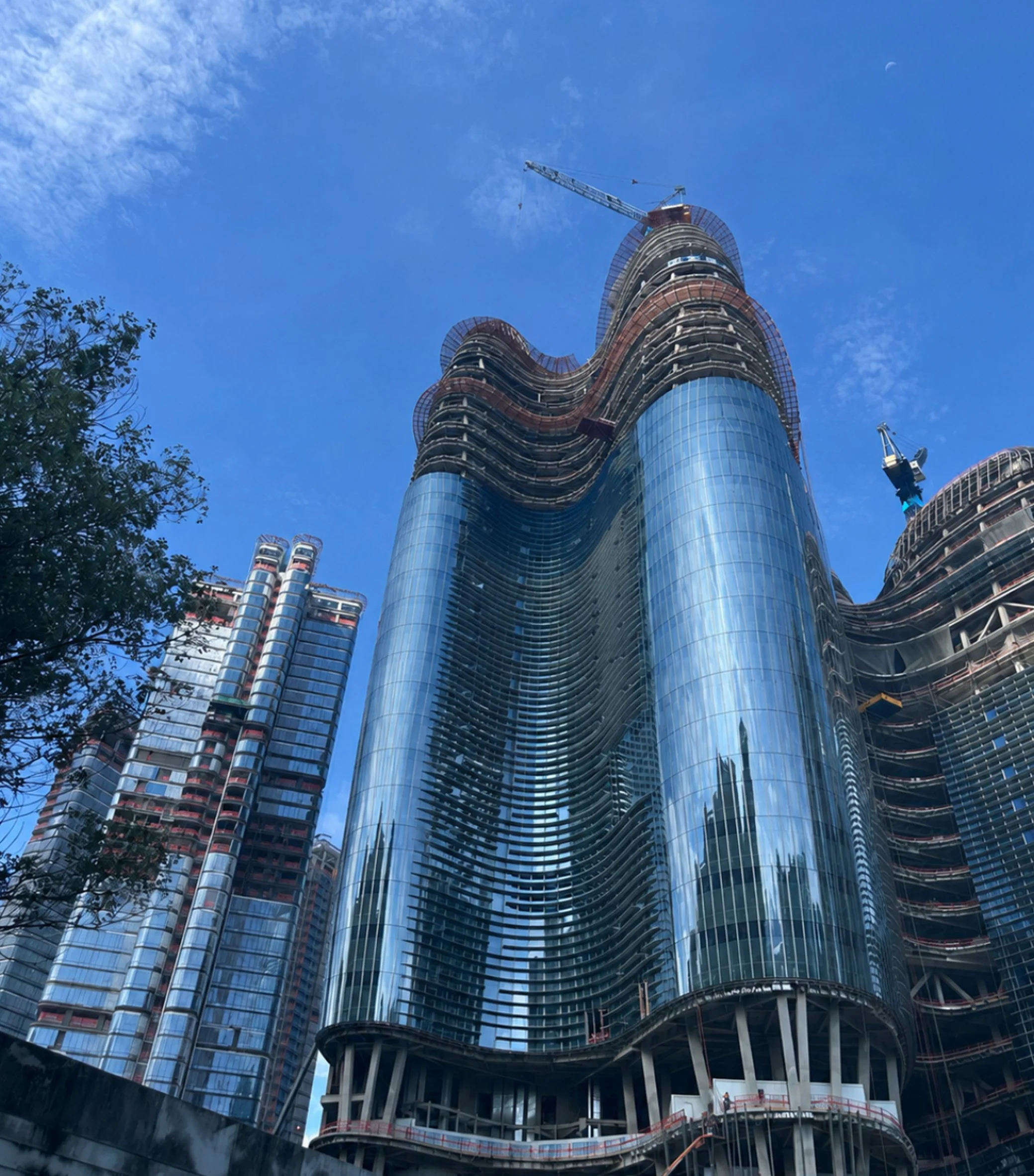
Beyond the Glasshouse Theatre, NorthGlass's curved glass has been integrated into various high-profile architectural projects, like the OPPO headquarters, where interconnected towers showcase creative glass applications. Each of these projects exemplifies how NorthGlass’s technology enables an extensive range of design possibilities. However, as more architects embrace these possibilities, questions about sustainability and lifecycle impact come to the forefront.
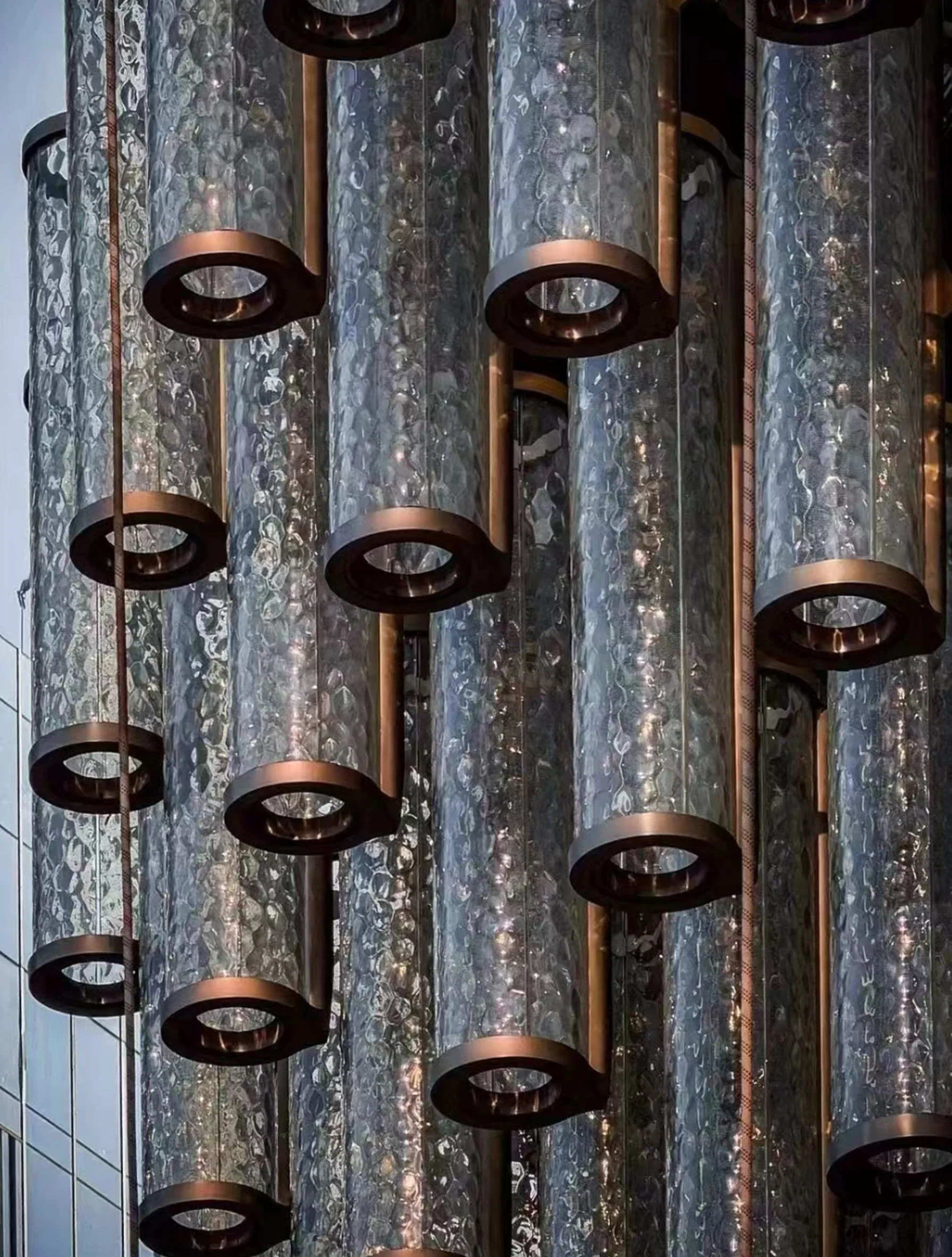
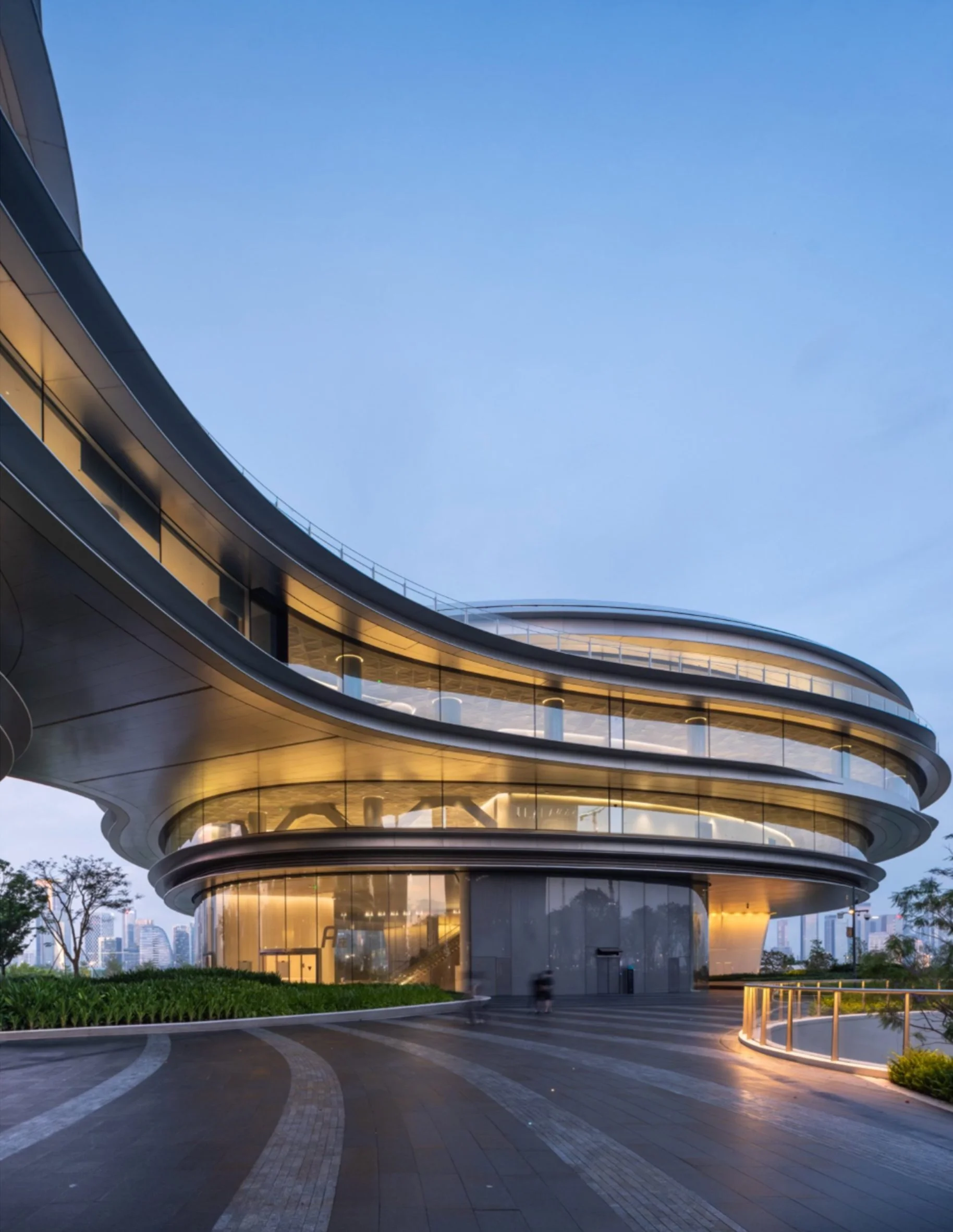
In Shenzhen, NorthGlass has collaborated on the Róng Museum of Art and Tencent's headquarters, pushing the boundaries of what is possible with large-scale curved glass installations. Each successful project paves the way for more architectural experimentation, yet they also invite scrutiny regarding material sourcing and environmental impact.
Implications and Future Outlook
The Glasshouse Theatre marks a pivotal moment not just for NorthGlass, but for the architectural community at large. As curved glass becomes more commonplace in high-profile projects, it influences how architects view design challenges. If you're working in this space, you'll need to consider not only aesthetic requirements but also the technical capabilities of your materials. This could foster an environment ripe for further innovation.
But there lies a tension: the architectural allure of such designs must reconcile with practical concerns like cost and sustainability. The industry's response could very well dictate the direction of architectural glass technology in the coming years. NorthGlass's ventures are significant predictors of trends in urban design and construction, pushing forward bold visions that question traditional boundaries.
For further insights about NorthGlass and its pioneering glass technology, visit their website.