Revolutionizing Urban Living: The House on a Hill
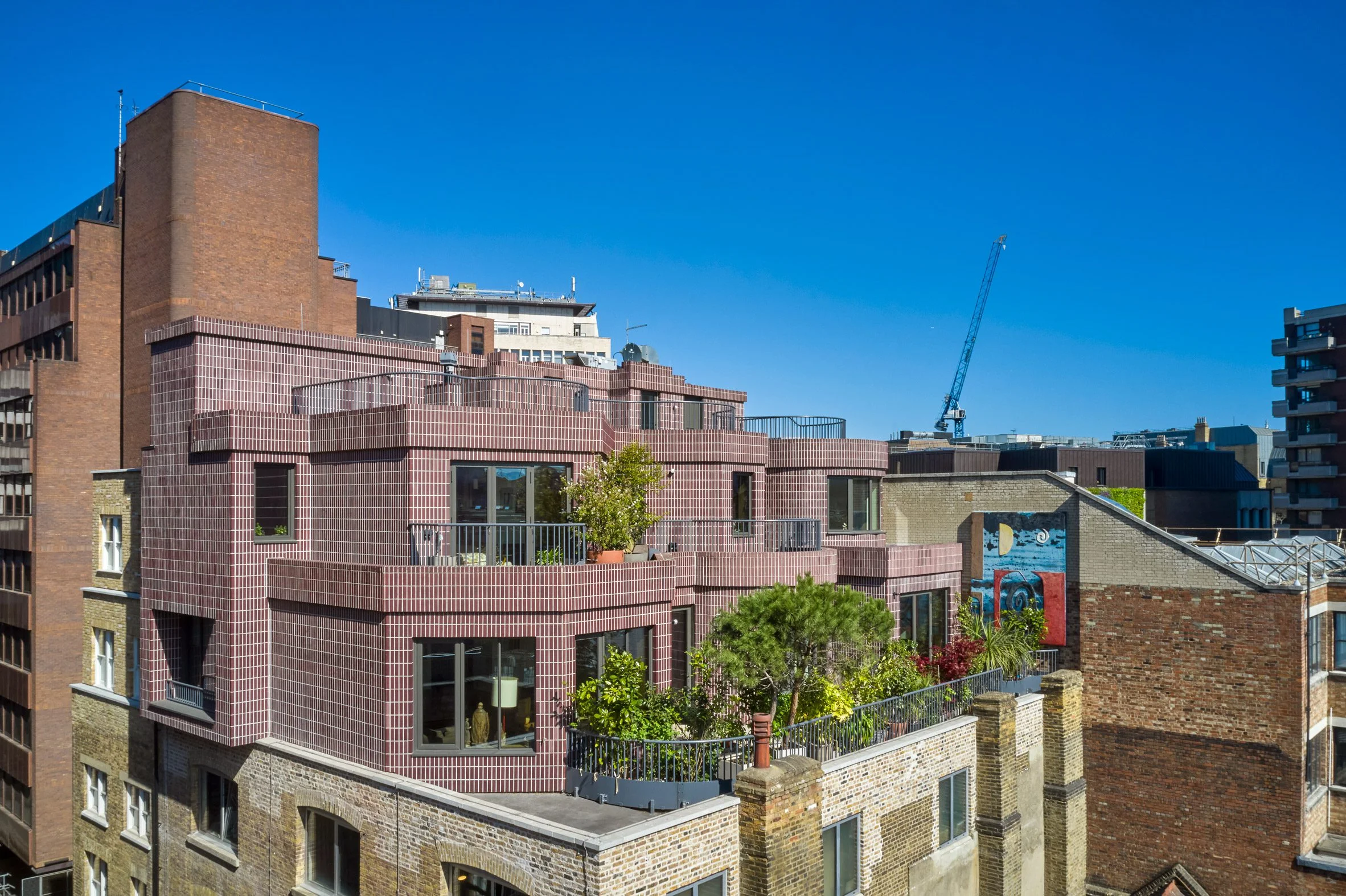
In the heart of Covent Garden, David Kohn Architects has redefined luxury living with the "House on a Hill," a striking three-storey penthouse atop a Victorian warehouse. This innovative residence features a unique stepped facade adorned with both curved and angular bay windows, aiming to evoke the feeling of being in a house perched on elevated ground. The design doesn't just occupy space—it interacts with it, creating a dialogue between the old and new that speaks volumes about the possibilities of modern architecture.
Breaking Tradition with Design
The choice to elevate the design stems from a desire to craft a modern living space that breaks away from the typical extensions of traditional brick structures. This approach mirrors a broader trend in urban architecture, where developers and architects strive to push the boundaries of residential design. By envisioning the roof as a new ground plane, the design incorporates elements reminiscent of classic residential architecture, particularly the bay windows that enrich the character of the home. That’s not merely a nod to nostalgia; it’s a deliberate attempt to bridge the past with contemporary needs.
Engaging with London's Architectural Heritage
This penthouse engages with its setting by responding to the dynamic rooflines characteristic of London’s architectural heritage. “The two-storey tiered extension highlights the intricate layers of the urban environment and mirrors the layout of pre-modern townhouses,” noted Kohn, who drew inspiration from historic structures like Sir John Soane's Museum and Villa Necchi in Milan. His design is a contemporary homage to these architectural legacies while maintaining a clear expression of modern living. This interplay between historical influences and modern needs is what makes the project compelling.
In a city where historical preservation often clashes with the demand for modern amenities, Kohn's approach feels refreshingly inclusive. He doesn’t merely reference the past; he actively engages with it, suggesting that contemporary architecture can enrich, rather than detract from, its surroundings.
Functional Living Spaces
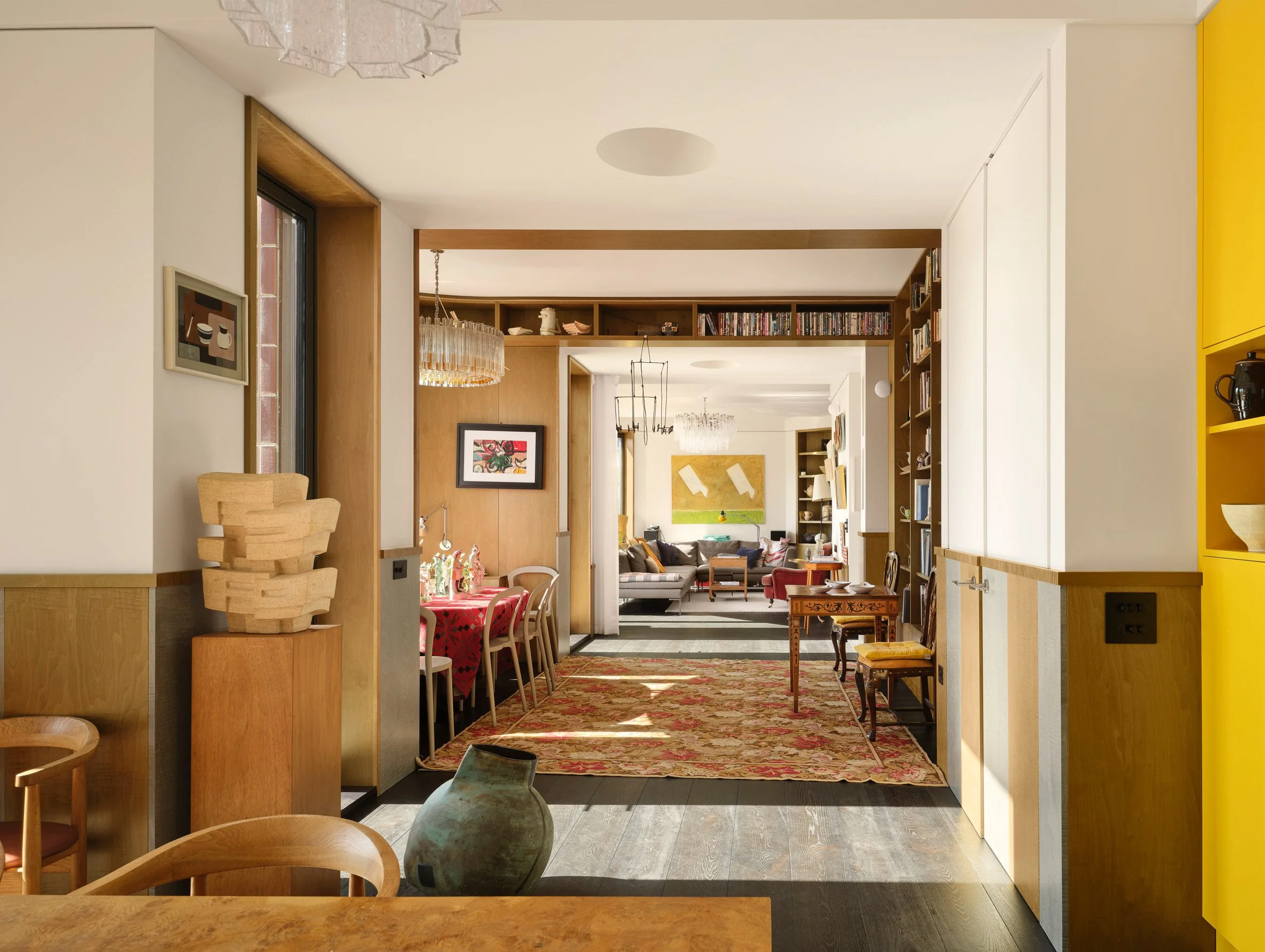
Key to the layout is the arrangement of principal living areas. The design includes a dining room, library, and lounge that can operate independently or connect fluidly during gatherings, representing a modern take on communal living. This flexibility is a significant consideration for urban homes, where space is often at a premium. The added benefit of a rooftop terrace extends the living area outdoors, allowing residents to enjoy private moments amidst the bustling city.
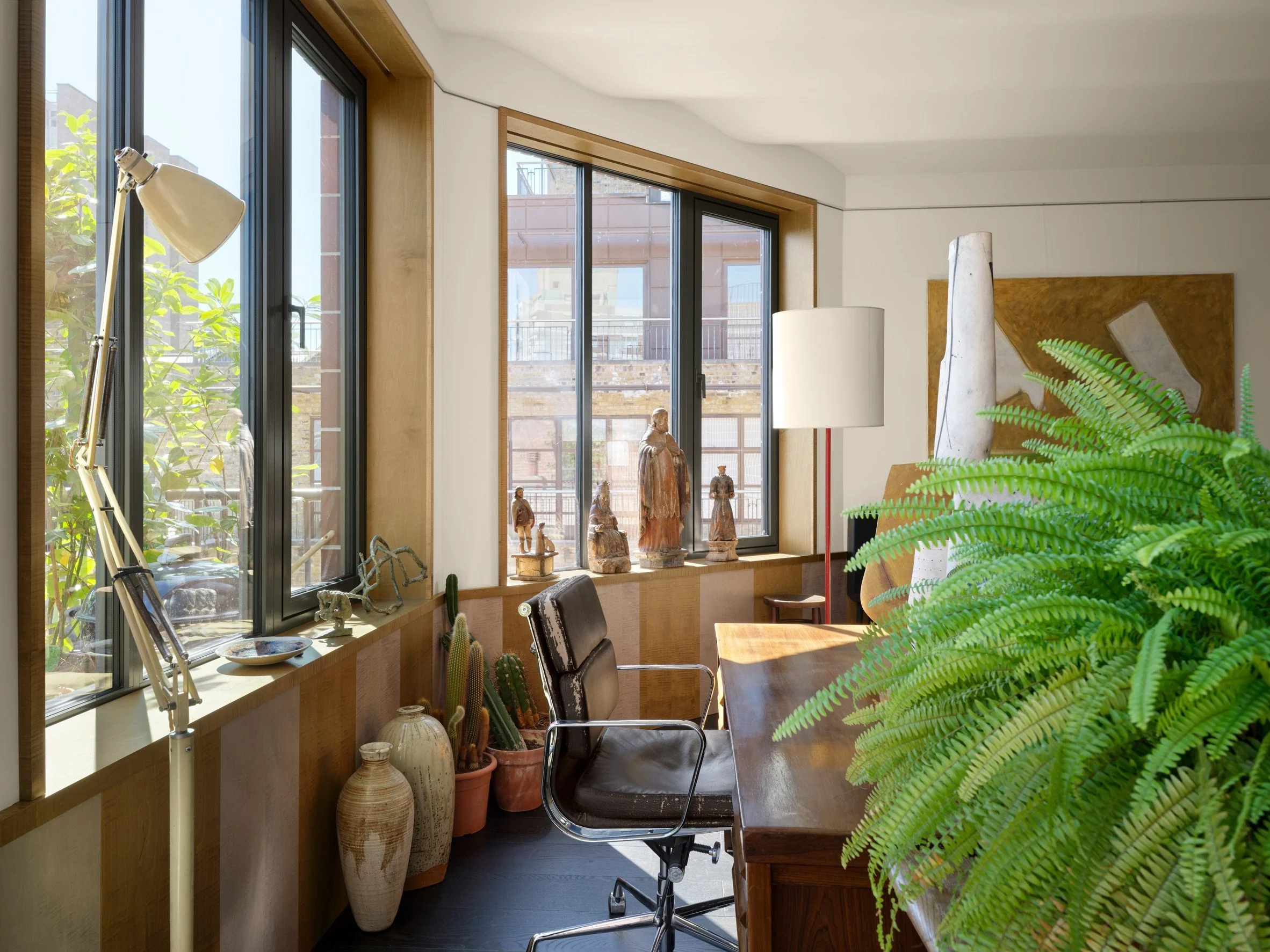
The dramatic bay windows provide an intimate connection with the city skyline. They frame breathtaking views while allowing ample natural light to flood the interior, enhancing the home’s livability. Well-positioned windows are not just about aesthetics; they also create an atmosphere that can contribute to mental well-being.
Landscaping as an Extension of Design
The design’s thoughtful landscaping, orchestrated by Todd Longstaffe-Gowan, skillfully enhances both the terrace and bay windows. He utilizes trees and plants for privacy and sun shading, which creates serene outdoor spaces that act as natural barriers from the city bustle. This approach reflects a growing recognition that green spaces in urban environments aren't just a luxury; they’re a necessity for fostering a balanced lifestyle.
Unique Features That Elevate Luxury
Another intriguing feature is the library’s high, curved shelving that follows the contours of the bay window, offering a unique display surface for books and artifacts. This isn't just an aesthetic choice; it’s also a practical solution to optimize space while adding a sculptural quality. Subtly undulating ceilings add a layer of sophistication to the living and dining areas—design choices that elevate function to art.
Privacy and Functionality on Upper Floors
On the upper floor, a series of bay windows houses the bedrooms and an adjacent study, positioned further back from the lower level to enhance privacy on the balcony terraces. This layering approach fosters a retreat-like atmosphere—ideal for an urban penthouse where outside noise might otherwise intrude. The design creates a sense of separation, allowing residents to enjoy solitude without sacrificing the vibrant surroundings.
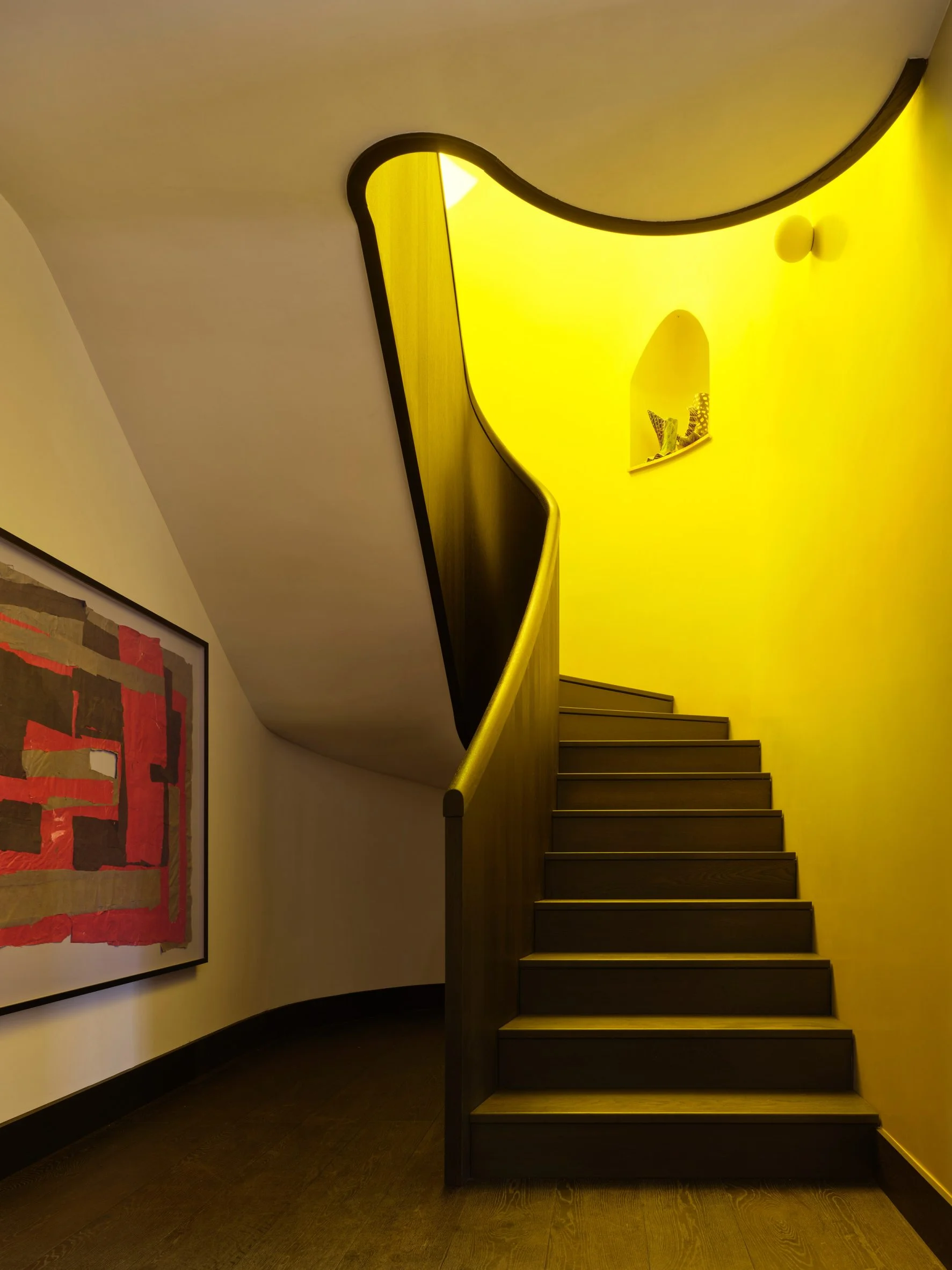
The service areas, including the kitchen, bathrooms, and access points, are efficiently positioned along the northern wall. This thoughtful organization enhances functional flow, preventing clutter from invading the main living spaces. Moreover, colored circular skylights infuse the stairwell with daylight, adding a cheerful quality to the interior. Here’s the thing: practical solutions like skylights are often overlooked but can significantly boost the livability of homes.
A Statement of Architectural Distinction
The penthouse's exterior makes a statement with its dark plum-colored brick facade, arranged vertically with contrasting light mortar. This design allows it to harmonize with nearby structures while standing apart in its own right. It’s a visual nod to the rich architectural diversity of London while asserting a unique identity. Baylight Properties commissioned this distinctive work from David Kohn Architects, showcasing the studio's varied portfolio, which includes notable designs across numerous styles and functions.
Implications for Future Urban Development
The project illustrates how contemporary architecture can pay homage to its historical context while carving out new narratives for urban living. As cities around the globe grapple with issues of space, heritage, and sustainability, the “House on a Hill” stands as a model of how to thoughtfully integrate old with new. If you're working in this space, take note: the balance between design and practicality is not just essential; it’s becoming a defining factor in successful urban projects.
The photography is by Will Pryce.