In a vibrant homage to the queer community, "Love Thy Neighbor," designed by New York's Wild Form Design Studio, stands adjacent to the historic Stonewall Inn in the West Village. This new bar has opened just in time for NYC's Pride celebrations, resonating strongly with the site’s significance as a catalyst for the Gay Rights Movement.
A Thoughtful Design Inspired by History
Founders Shigefumi Kabashima and Elias Popa aimed to create more than just a bar; they envisioned a space rooted in history, infusing their design and hospitality approach with a strong narrative. Sites like the Stonewall Inn have immense weight because they represent both struggle and triumph. The ethos of the bar, captured in the guiding principle of “no straight lines,” is evident throughout the establishment, reflecting a commitment to queer identity and community, underscoring the fluidity that is often part of the LGBTQ+ experience.
Symbolism Through Design
Upon entering, guests encounter a concrete floor adorned with a quote from Marsha P. Johnson, an iconic figure in the Stonewall Uprising. The inscription, “No pride for some of us without liberation for all of us,” doubles as both an aesthetic centerpiece and a reminder of the ongoing struggle for LGBTQ+ rights. It’s this duality of beauty and meaning that elevates the bar beyond a mere drinking establishment into a vessel of social commentary.
A single brick from the original Stonewall Inn is showcased at the bar, symbolizing the resilience of the LGBTQ+ community during the protests of June 1969. This seemingly small but symbolic element speaks volumes—it connects generations of advocates while highlighting the ongoing fight for representation and acceptance. These thoughtful design elements serve as subtle yet powerful connections to the past while promoting an optimistic view of the future, an essential balance for any community hub.
Intimacy and Inclusivity in Design
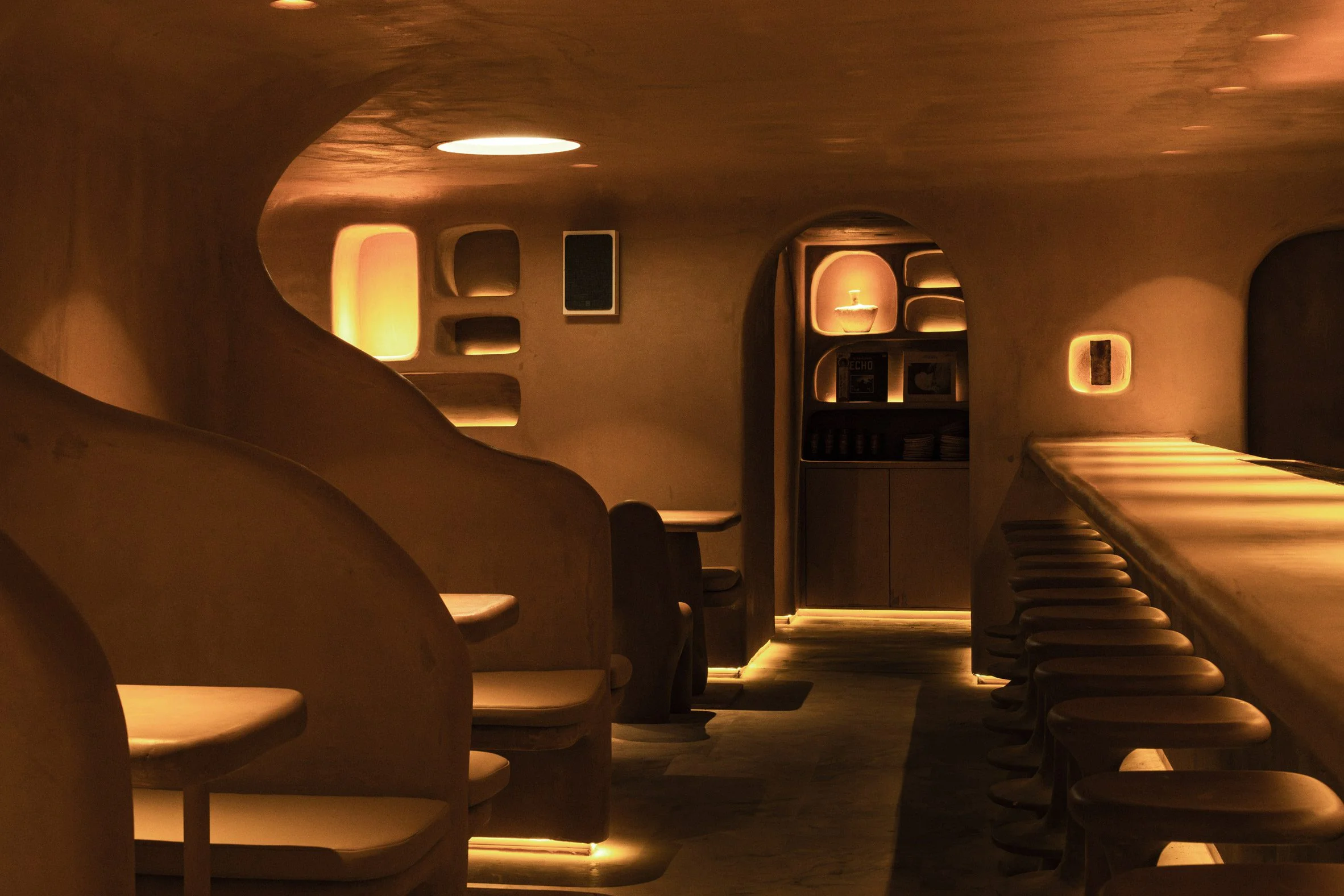
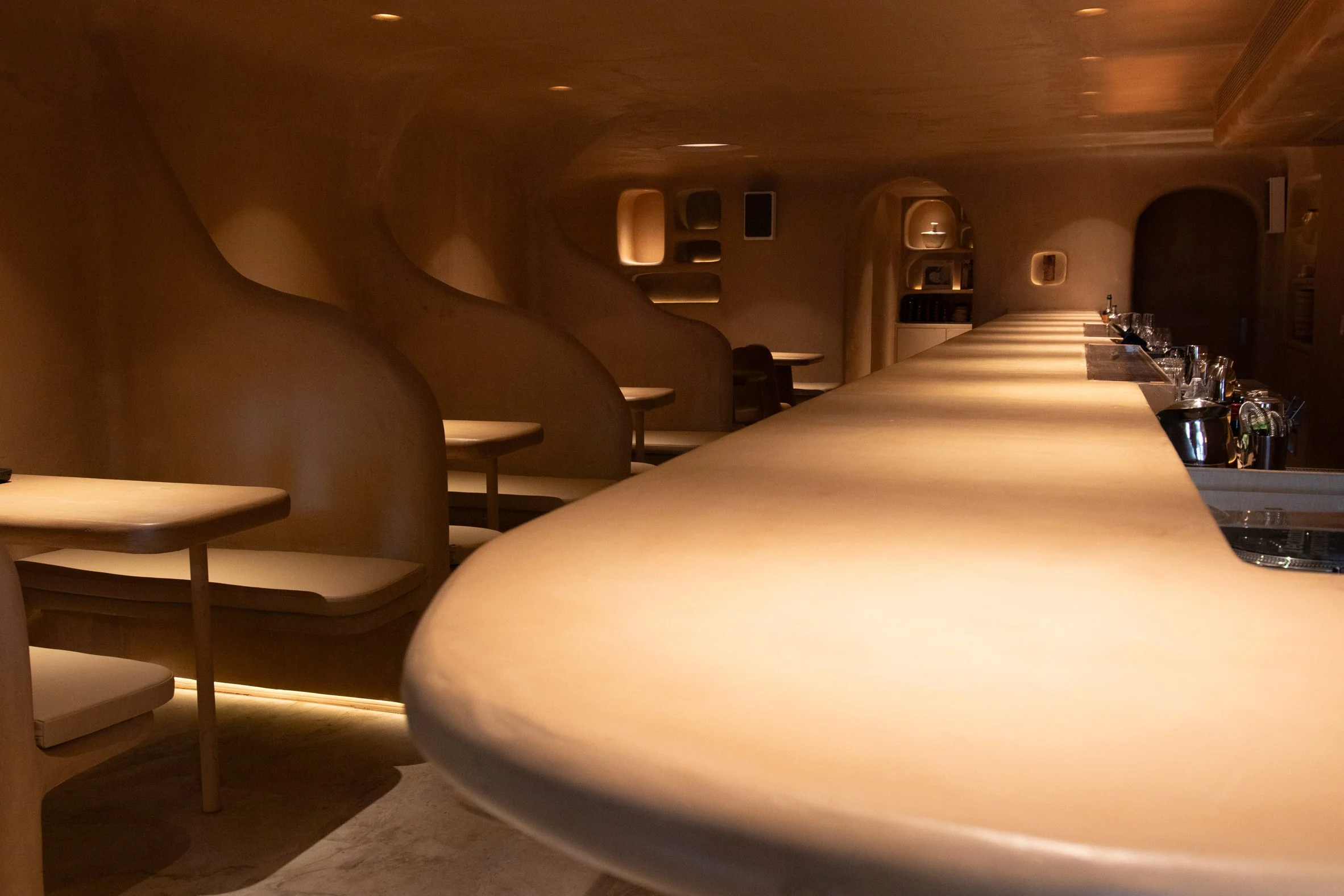
Designed to accommodate around 40 guests, the organic curves of the walls create an intimate, cozy environment. This architectural choice isn’t just for aesthetics; it actively promotes conversation and connection among patrons. The design echoes the bar's aim of fostering inclusivity and open connection. Kabashima noted, "This concept of 'no straight lines' guides our design and embodies a fluid, open hospitality approach that breaks down barriers." The metaphor of 'no straight lines' goes deeper than design; it speaks to the very essence of the queer experience.
The Aesthetic Experience
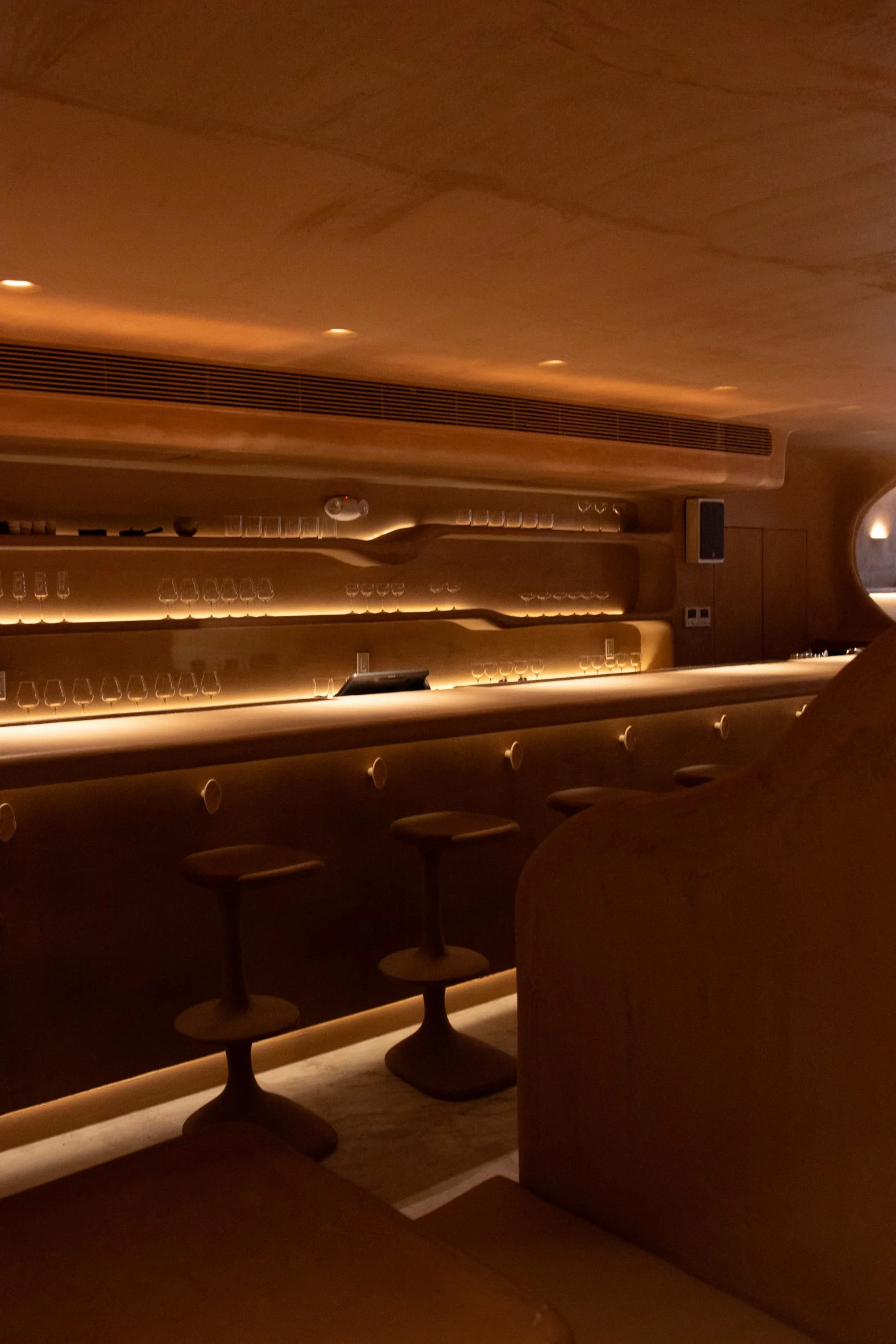
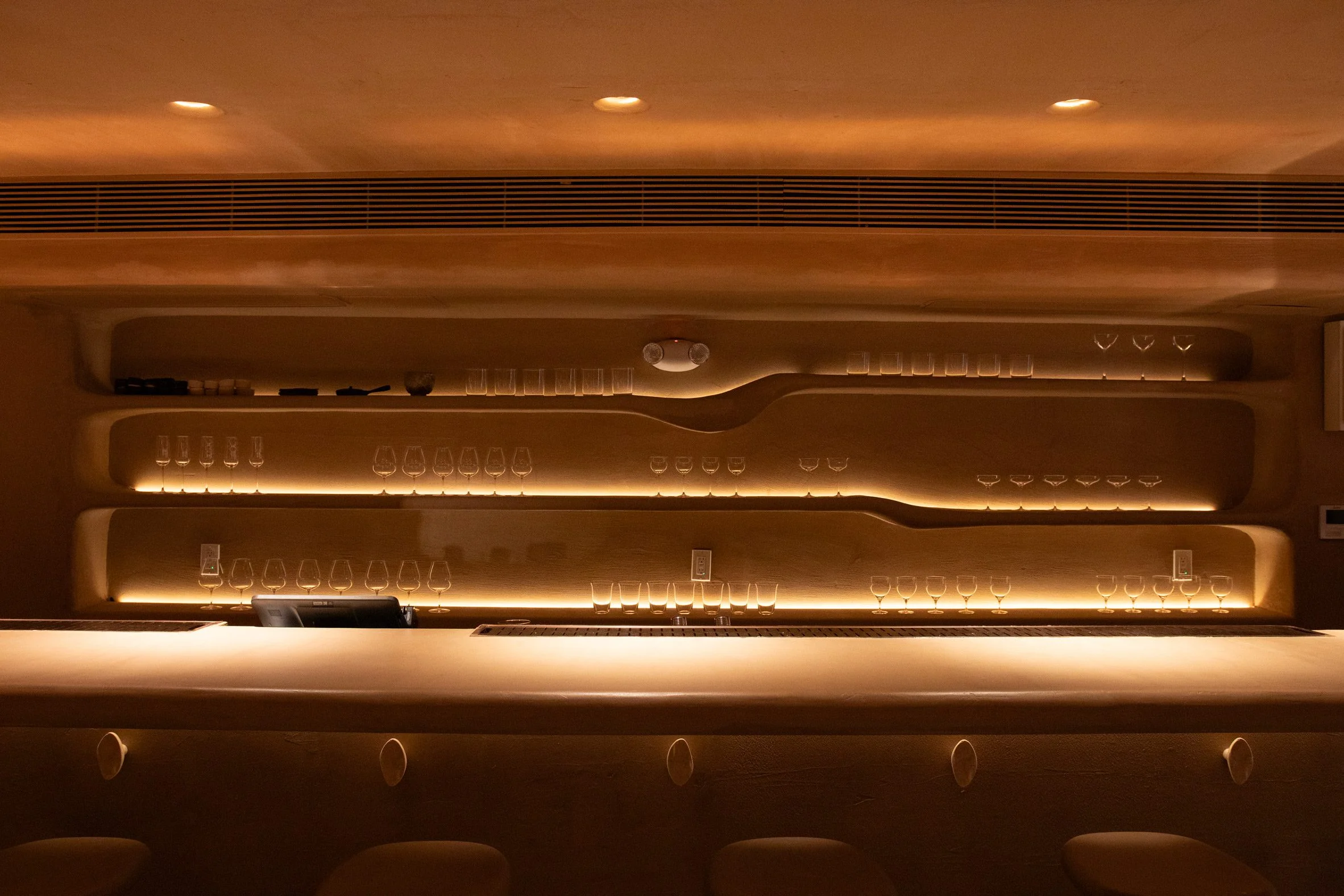
The interior palette comprises warm beige tones, enhancing the inviting feel of the space. This choice makes a strong statement—it welcomes visitors from all walks of life. Backlit shelves behind the bar feature a curated selection of liquors, further emphasizing the bar's aesthetic, as they follow the organic shapes established throughout the design. The artistry is palpable in every corner, and it creates a space where patrons feel valued and understood.
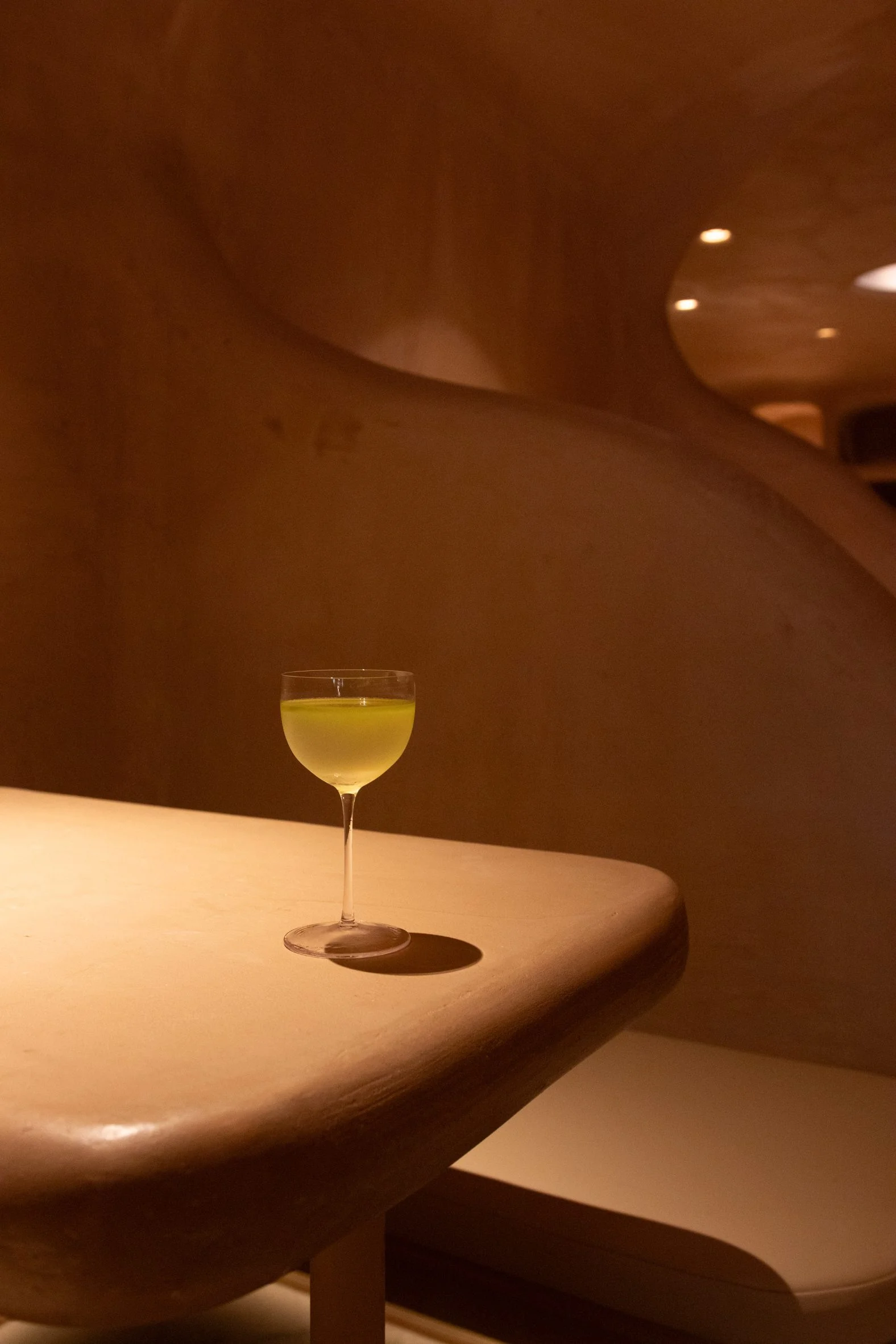
The cocktail menu impresses with its dedication to Japanese bartending finesse, creatively employing techniques like clarification and infusion, yielding distinctive flavors such as wasabi gin and homemade soda. These drinks are served in exquisite glassware, complementing Asian-influenced bar snacks and shareable meals presented on artisanal ceramics. The culinary offerings are a conversation starter, tying into the broader theme of inclusivity through the shared experience of food and drink.
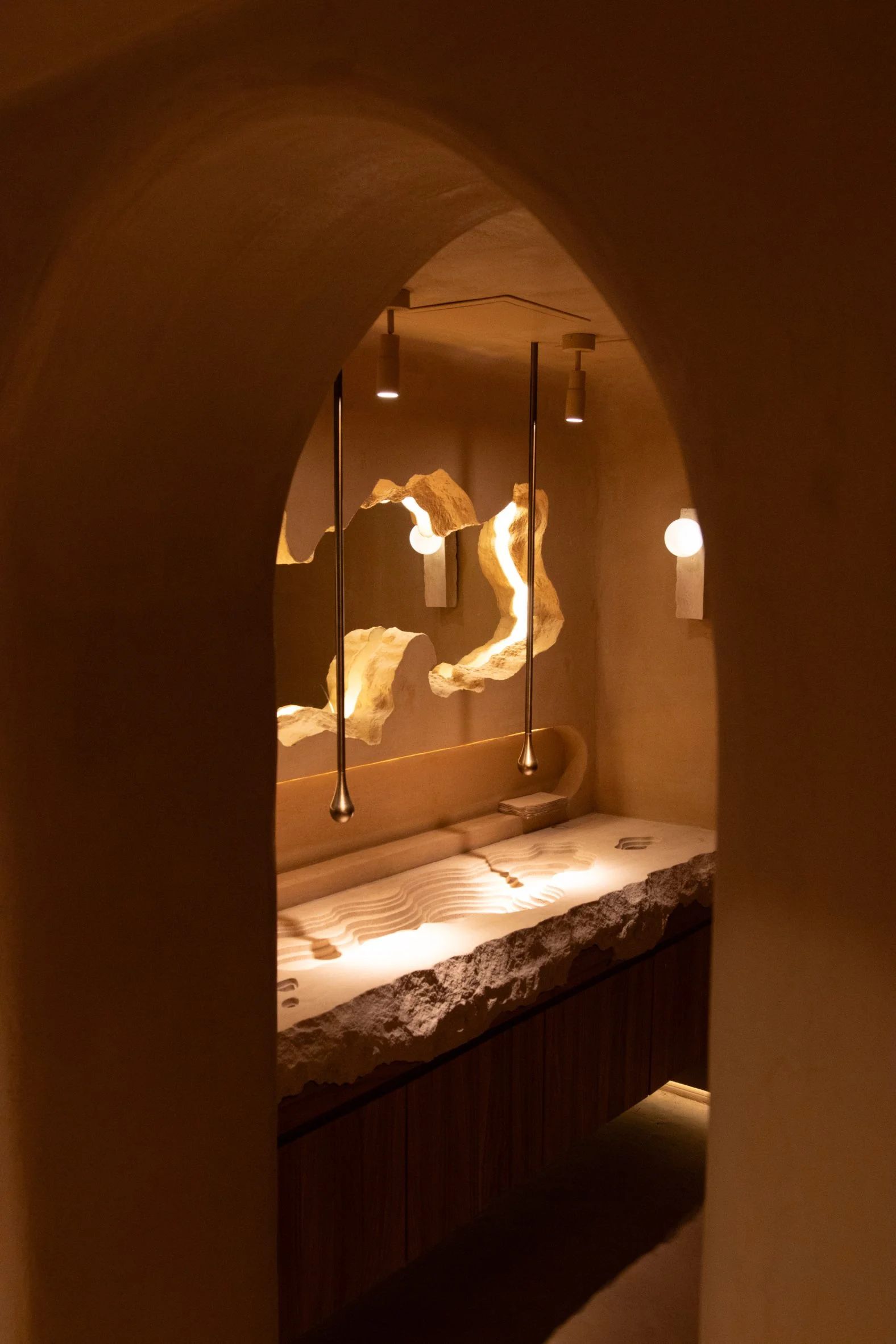
The bathroom furthers the design narrative, featuring a recessed mirror that feels sculpted from the walls, with unique fixtures that enhance the overall aesthetic. Such attention to detail, even in restrooms, illustrates a philosophy that extends beyond just visual appeal; it cultivates an experience where every moment matters. (And this is the part most people overlook.)
Creating a Meaningful Space for Connection
Ultimately, "Love Thy Neighbor" strives to be a refuge for everyone, where diverse communities can gather and savor the experience of sharing a meal and connecting. Kabashima asserts the intention to create a space of freedom, where visitors can engage authentically with each other. This is more significant than it looks. It’s about the ongoing need for safe spaces in a world still fraught with discrimination and hostility toward LGBTQ+ individuals.
Future Implications for Queer Spaces
As venues like this continue to flourish, ongoing support for queer-friendly spaces is vital, especially in light of challenges facing the LGBTQ+ community today. The hospitality industry increasingly plays an integral role in shaping cultural conversations, and bars like "Love Thy Neighbor" are at the forefront of this movement. They represent not just a response to current demands but also a vision for a more inclusive future where everyone can find a seat at the table.
Photography by Aichan Mama.