Why Mediterranean design still feels at home
The appeal of Mediterranean design is practical as well as visual: thick stucco walls, shaded outdoor rooms and generous openings help make a home feel connected to its climate and surroundings. The style draws on coastal architecture in Spain, Italy and Greece, pairing earthy materials with a relaxed, lived-in mood. If you’re restoring a home in Santa Barbara, CA or bringing a few of these details to a home in Coral Gables, FL, the underlying idea is the same: make the house welcoming, tactile and open to nature. For a broader look at home styles, Mediterranean homes stand out for how architecture and outdoor living work together.
Architecture built around warmth and shade
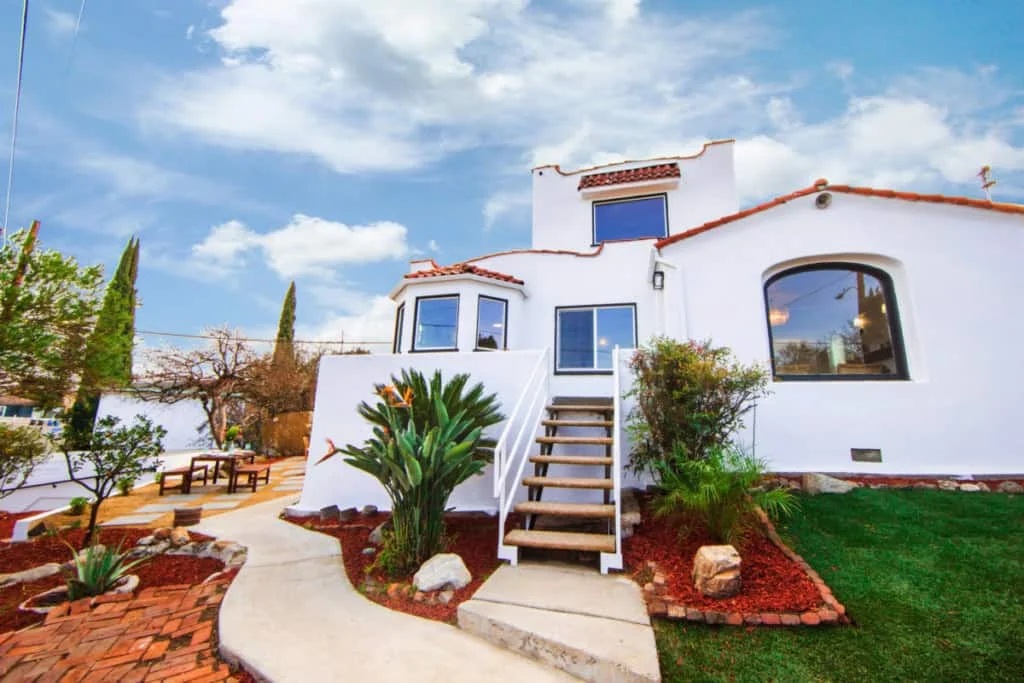
Mediterranean-home design can be ornate or restrained, but it usually avoids a stiff, overly polished feel. Jennifer Delgado of ArtZMiami describes its familiar mix of warm stucco, terracotta roofing, arches, stone and wood, with courtyards and shaded terraces linking indoor and outdoor life. That combination is the point: these details work as a system, not as a checklist of decorative motifs.
Stucco gives walls a soft, handmade surface. Common shades include warm white, cream, sand, beige, muted clay, terracotta, soft yellow, ochre, taupe and earthy brown. The color choice matters because it sets the sun-washed tone that the darker roof and ironwork play against. For background on the material itself, see this guide to stucco.
Scott Shuffield says the style has particular staying power in South Florida, where thick walls can help keep interiors cool and courtyards support outdoor living. He points to clay tile roofs, arched openings and wrought-iron accents as details that add warmth and texture. The climate argument is persuasive, though the fragment offers no measurements of how much these features affect indoor temperatures.
Terracotta roof tiles create a strong reddish-orange contrast with pale walls. Barrel-shaped tiles are especially associated with the style; their repeated curves give the roofline a distinct rhythm. More on roof options is available in Redfin’s guide to roofing materials.
Arches soften the building’s lines and draw attention to entrances, windows and interior transitions. They can frame a front door or appear inside as hallways, niches and openings between rooms. Wrought iron supplies the visual counterweight: dark railings, gates, fences, stair rails, door hardware, window grilles, lighting, furniture and other accents stand out against plaster and stone. See ideas for a balcony and exterior lighting.
Outdoor rooms are part of the floor plan
Courtyards, loggias, patios and terraces aren’t afterthoughts in this style. They function as extensions of the home, shaping how rooms connect and where people gather. Redfin’s guides to outdoor spaces and outdoor living areas offer related planning ideas.
David Siddons of Lux Life Miami Blog describes layouts centered on a private courtyard or loggia, with French doors opening onto terraces, fountains and gardens. Large doors and garden-facing rooms make sunlight, air and greenery part of daily life. French doors can open directly onto a patio, while broad windows bring in natural light and frame views outside. The design’s success depends on the connection feeling usable, not merely visible.
Texture inside, greenery outside
Mediterranean interiors balance openness with material warmth. Rather than covering every surface in decoration, they rely on daylight, comfortable furnishings and tactile finishes. A palette of cream, beige, sand, terracotta, olive, muted blue and warm brown keeps rooms tied to the surrounding landscape; a neutral color palette can provide a starting point.
Debra Wellins notes that Mediterranean homes can range from highly ornate to simpler combinations of wood and stone, and may be one or two stories. Common materials include natural stone and limestone, terracotta tile, aged or natural wood, hand-finished ceramic tile, stucco, plaster, wrought iron, brass and other warm metals. The mix of finishes and patina gives a room depth without requiring every surface to match. For another approach to bringing nature indoors, read Transform Your Sanctuary with Biophilic Home Design.
Planting reinforces the link between house and site. Depending on local conditions, Mediterranean-inspired gardens may use olive or citrus trees, lavender, rosemary, ornamental grasses, climbing vines and other drought-tolerant plants. Courtyards, entrances and terraces are natural places to focus that greenery. Redfin also has landscaping ideas and 5 Sustainable Landscaping Ideas That Elevate Your Outdoor Space.
A small fountain or reflecting pool adds movement and the sound of water, creating a focal point in a courtyard. It’s a modest feature, but one that supports the sensory, outdoor character of the style.
Bring in the character without a full remodel
You don’t need to rebuild a house to borrow from Mediterranean design. Start with a few deliberate choices: warm white or sand-colored paint, or textured plaster; wood, stone, terracotta, ceramic tile and linen; and, if you’re renovating, an arched doorway, niche or built-in opening. Terracotta pottery and planters can introduce the color in small doses.
Iron lighting, hardware, railings, mirrors or furniture accents add contrast. Arrange seating toward a garden view, use French or glass doors where they make sense, or make an outdoor seating area comfortable enough to use. Layer smooth plaster with woven textiles, aged wood, stone, handmade tile or natural fibers. Add suitable plants, vines, potted citrus or herbs, and choose a few convincing materials over a room full of themed decor. Redfin’s piece on choosing paint colors and its guide to adding texture offer more ideas.
Sasha Anton, founder and creative director at Casa Le Blanc, frames the style around everyday rituals: cool stone underfoot in the morning, linen curtains moving in the breeze, and friends lingering over dinner at a long table. That’s a more useful way to understand its longevity than treating arches or terracotta as timeless on their own. Mediterranean design lasts when its materials, outdoor spaces and daily routines belong together.
The style’s defining features—stucco, tile, stone, wood, arches, greenery and natural light—can make a home feel grounded and relaxed. Whether you adopt the full architectural language or introduce just a few details, the aim is to create a space that feels connected to its setting and comfortable to live in.
The post Mediterranean-Home Design: 10 Features That Define the Style appeared first on Redfin | Real Estate Tips for Home Buying, Selling & More.