Mediterranean homes make a strong impression through a handful of recognizable features: stucco walls, red clay roofs, arches, ironwork, and rooms that open onto patios or gardens. The appeal goes beyond looks. These houses grew from building traditions suited to warm climates, and their emphasis on shade and outdoor living still feels practical in places such as California and Florida. The style draws especially on Spanish and Italian villas, though its American versions range from grand historic properties to pared-back newer homes. For a broader guide to house styles, see our overview.
This guide covers the style’s origins, its defining details, and the trade-offs buyers should consider. We’ll look at examples from Coral Gables, FL, and Santa Barbara, CA, where Mediterranean and Spanish-inspired architecture has left a visible mark. The numbers here are underwhelming in one sense: “Mediterranean” doesn’t describe a single blueprint. The label covers several distinct movements and a wide range of homes.
What defines a Mediterranean house?
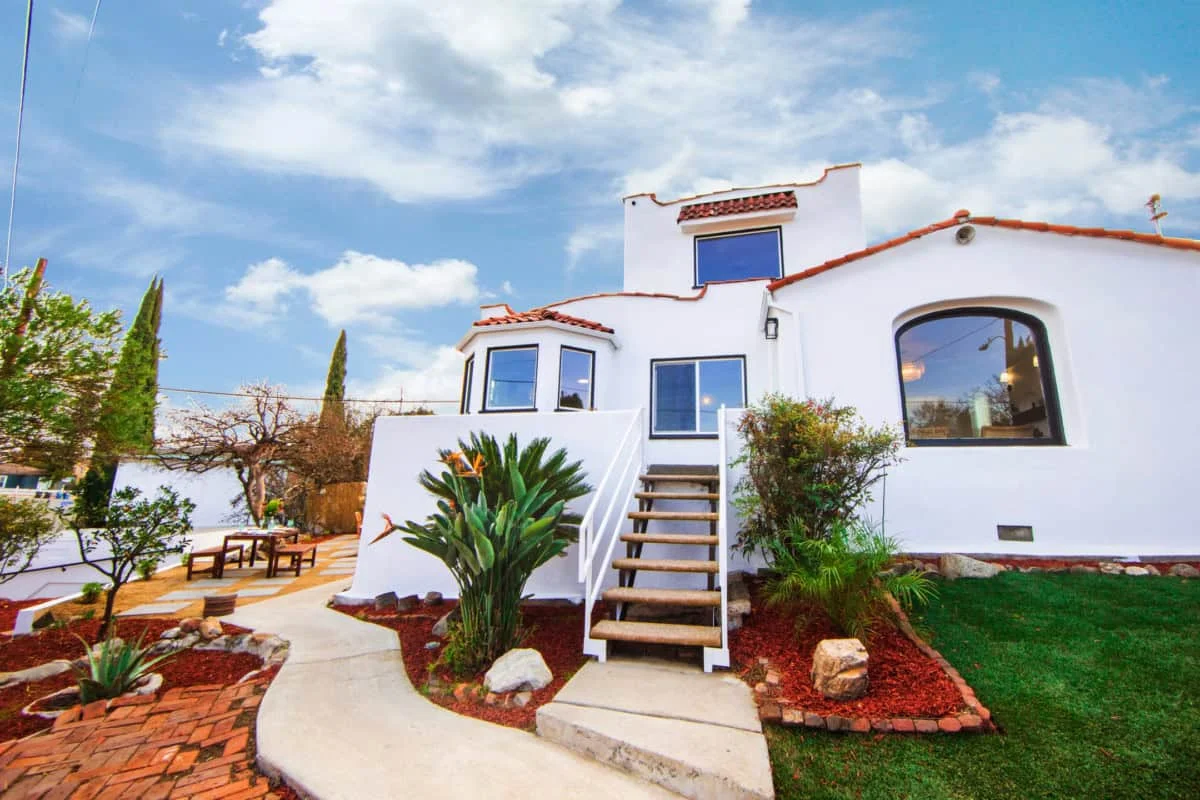
Mediterranean homes take cues from countries along the Mediterranean Sea, particularly Spain and Italy. There’s no fixed plan every house must follow. Instead, the style comes through in a familiar combination of materials, shapes, and outdoor spaces.
Jeremy Hubacek describes the climate connection: “Designed for warm climates, these homes traditionally featured stucco or masonry walls, clay tile roofs, shaded courtyards, arched openings, and a strong connection between indoor and outdoor spaces.” In Southern California, he says, the style showed up in modest cottages and apartment buildings as well as large estates and landmark hotels. Smooth stucco, red clay tile, arches, iron details, decorative tile, exposed wood, patios, and courtyards all help define the look. “More than a century later, the style remains closely associated with Southern California, where its emphasis on shade, natural materials, and indoor-outdoor living feels particularly at home.” Hubacek is with Jeremy Home Expert.
How the style took hold in the U.S.
The architectural roots reach back centuries across Spain, Italy, and southern France. But the Mediterranean-style houses familiar to American buyers mostly reflect revival movements that gained traction in the late 19th and early 20th centuries. That distinction matters: the U.S. style is an interpretation of older traditions, shaped by local building booms and tastes.
Hubacek traces the American history to the late 1800s, when California’s Mission Revival movement drew on the state’s Spanish missions. The 1915 Panama-California Exposition in San Diego helped spread a more romantic take on Spanish, Mexican, and Mediterranean architecture. Mediterranean and Spanish Colonial Revival homes then became fashionable during the 1920s and 1930s building boom, especially in California and Florida.
Where Mediterranean homes are found
Warm-weather cities with long Spanish influences are among the places where these homes are most common. Examples include Santa Barbara, CA, Pasadena, CA, Austin, TX, and Miami, FL. For a grand example, there’s Hearst Castle in San Simeon, CA.
Coral Gables offers a more town-wide expression of the style. Jenna Citron Pinchuk of Team Citron says George Merrick shaped the city around Mediterranean Revival architecture in the 1920s, taking inspiration from villas in Spain and Italy. She points to courtyards, loggias, and doors opening onto gardens as features that suit local life: “It’s warm, timeless, and made for the way we live here in Miami, so it’s no wonder so many people find their place in Coral Gables.”
Plans, materials, and outdoor living
Across different periods and regional versions, Mediterranean homes tend to share a focus on natural materials and sheltered outdoor areas. These indoor and outdoor features are among the details that distinguish the style.
Katerina Bucciarelli, broker-owner at Innovatio Realty Group, sums up the familiar ingredients: “A Mediterranean-style home borrows from the villas of Spain, Italy, and southern France: stucco walls, red clay barrel-tile roofs, arched doorways and windows, wrought iron, and a life organized around courtyards and loggias.” Her advice is to look beyond the romantic details and check the construction. “The best ones pair concrete block and stucco with a tile roof that’s been brought up to Miami-Dade’s hurricane code, and that’s a big part of why they hold their value for generations.”
Exterior details
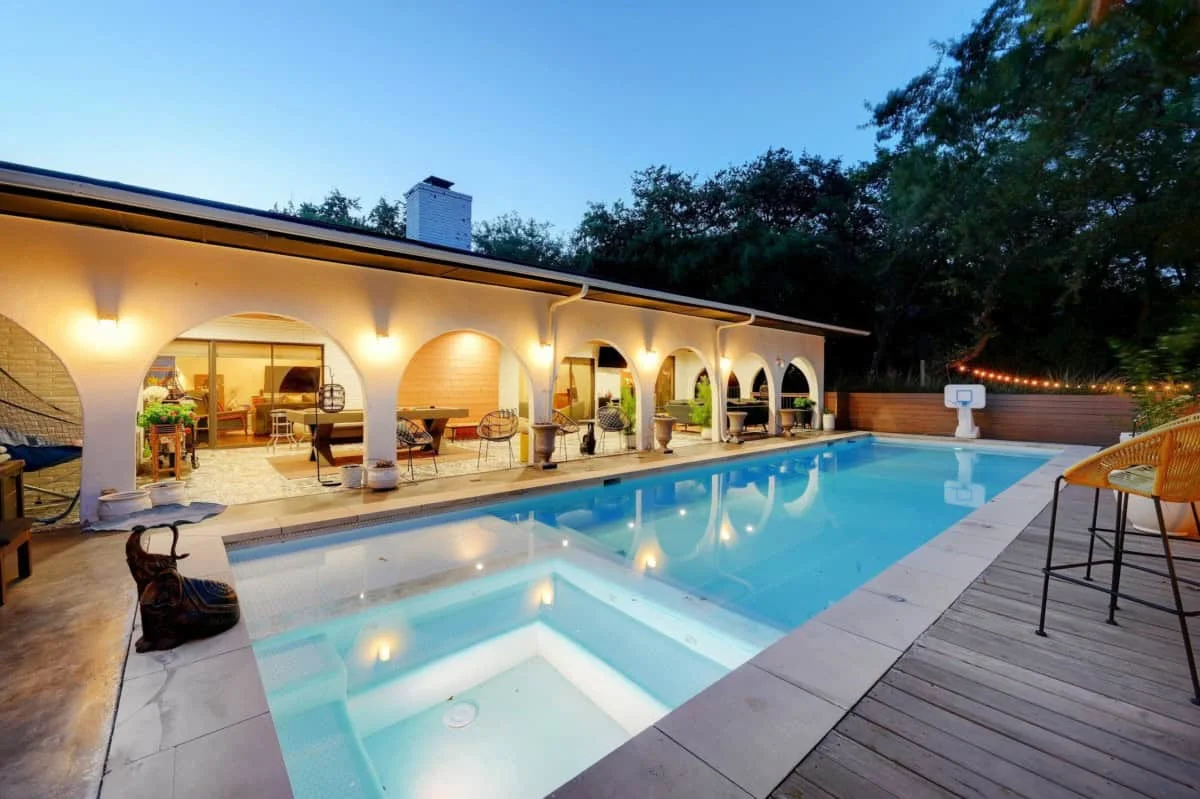
The outside typically combines warm color and tactile materials with a relationship to the landscape. Look for:
- Stucco walls: Smooth or textured finishes, often in white, cream, beige, or other earthy shades, give the exterior much of its character.
- Terracotta or red clay tile roofs: Barrel-shaped tiles bring color and texture while recalling Spanish and Italian architecture.
- Arched windows and doorways: Rounded openings can frame entryways, windows, patios, and passages between rooms.
- Wrought-iron accents: Railings, balconies, gates, lanterns, and window details may use decorative ironwork.
- Outdoor gathering spaces: Balconies and courtyards offer places to relax or entertain, often with some shade. See ideas for outdoor spaces.
- Natural landscaping: Gardens, fountains, stone paths, mature trees, and other natural landscaping can complement the home.
- Wood and stone accents: Exposed beams, wooden doors, and stonework add contrast to stucco surfaces.
Interior details
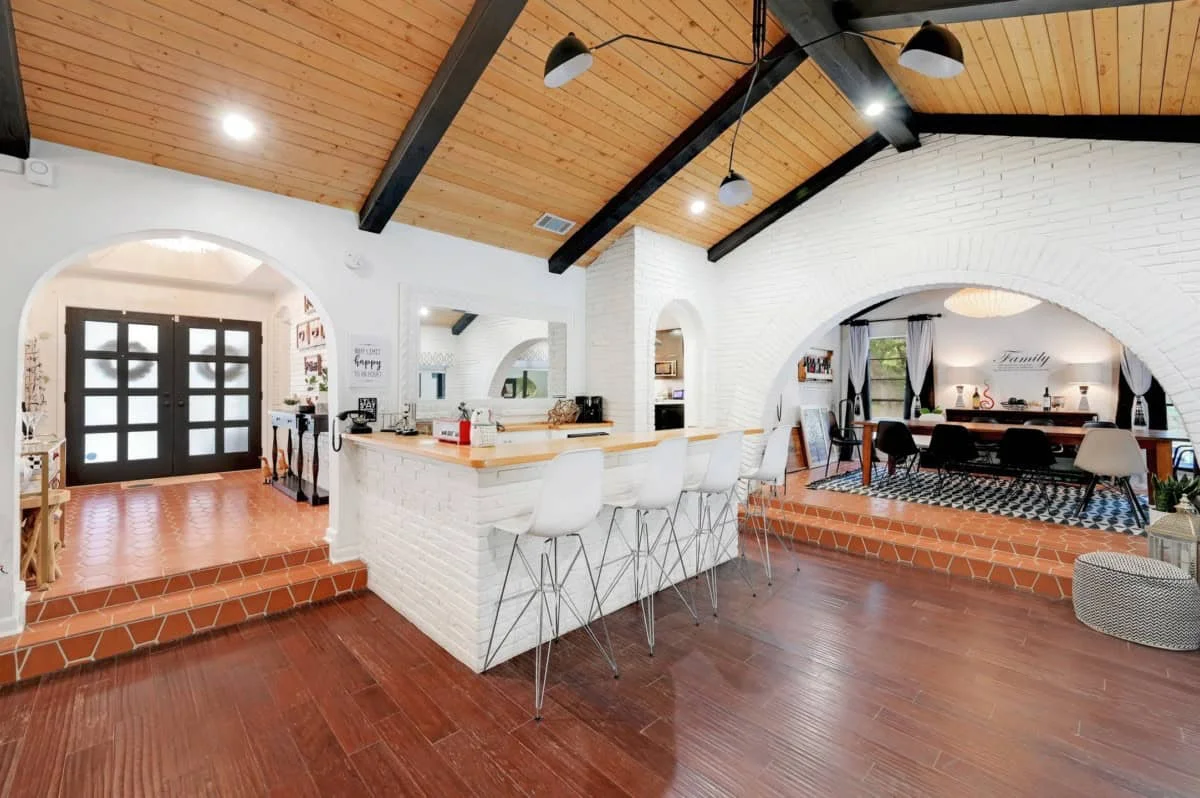
Inside, the same emphasis on materials and craftsmanship carries through. Mediterranean rooms often build character by layering texture and ornament rather than aiming for a spare, perfectly matched finish. The result can feel relaxed and lived-in, especially when rooms connect easily to patios or gardens. More ideas appear in this guide to Mediterranean interiors.
Carole Smith and Cristina Formosa of Smith Formosa Team point to “high ceilings, decorative tilework, and an easy flow between indoor and outdoor living spaces.” Those details are common, though individual homes vary. Other features include:
- High or vaulted ceilings: More height can make rooms feel spacious and leave room for exposed beams or other architectural details.
- Exposed wood beams: Natural or dark-stained beams bring warmth to living rooms, kitchens, and dining areas.
- Decorative tile: Terracotta, patterned, or hand-painted tiles may appear on floors, backsplashes, stair risers, fireplaces, or accent walls.
- Natural stone: Limestone, travertine, and other stones add texture to floors, fireplaces, counters, and walls.
- Warm, earthy colors: Cream, sand, terracotta, ochre, olive, and other muted tones work well with wood and stone.
- French doors and large openings: Doors that lead to courtyards, patios, balconies, or gardens strengthen the connection to outdoor space.
- Textured finishes: Plaster, natural fabrics, aged metals, and handmade materials create a layered, tactile feel.
- Indoor-outdoor living spaces: Living rooms, kitchens, and dining areas may open directly onto patios, courtyards, or terraces, extending everyday living beyond the walls.
Four Mediterranean-influenced styles
The shared features can make these homes easy to recognize, but the label covers several architectural movements. Four in particular helped shape the Mediterranean houses built in the U.S.
Mission Revival (1890–1915)
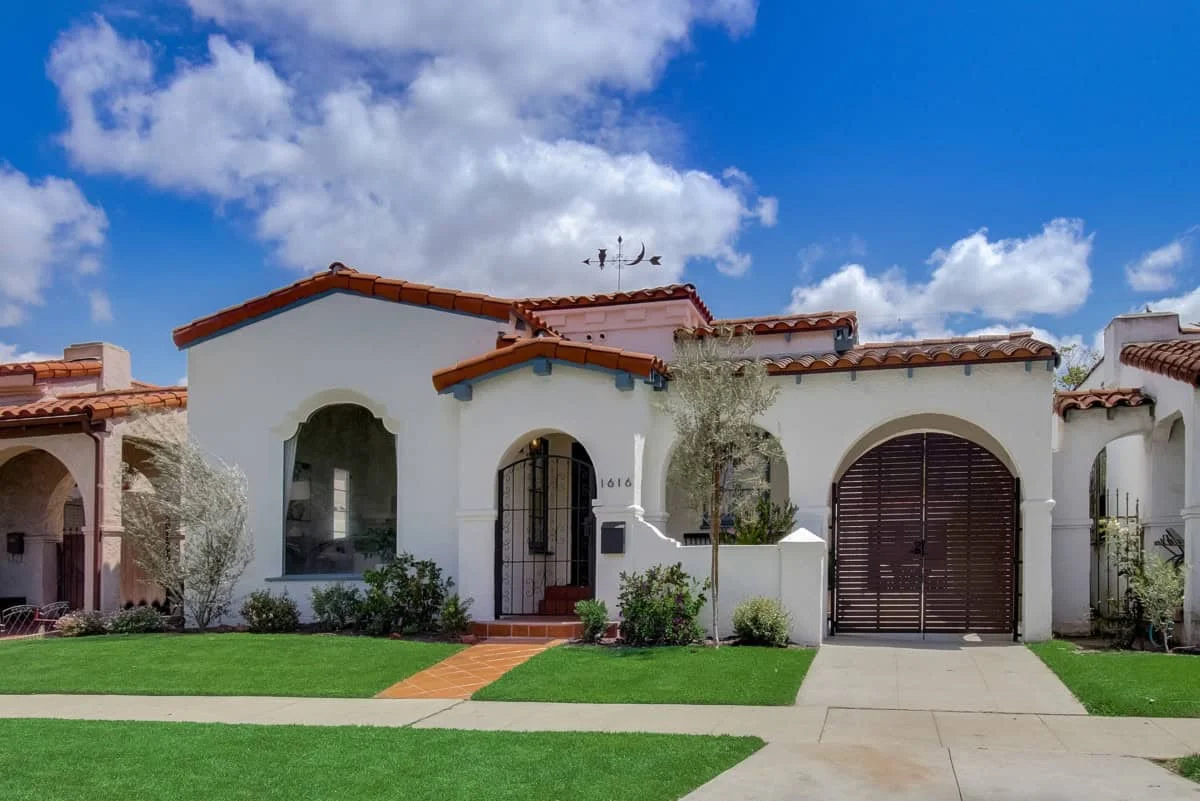
Mission Revival drew on the Spanish mission buildings of California and grew popular during the Arts and Crafts movement. It was the first Mediterranean-influenced style to gain broad popularity in the U.S.; its influence still appears in newer homes.
Italian Renaissance (1890–1930)
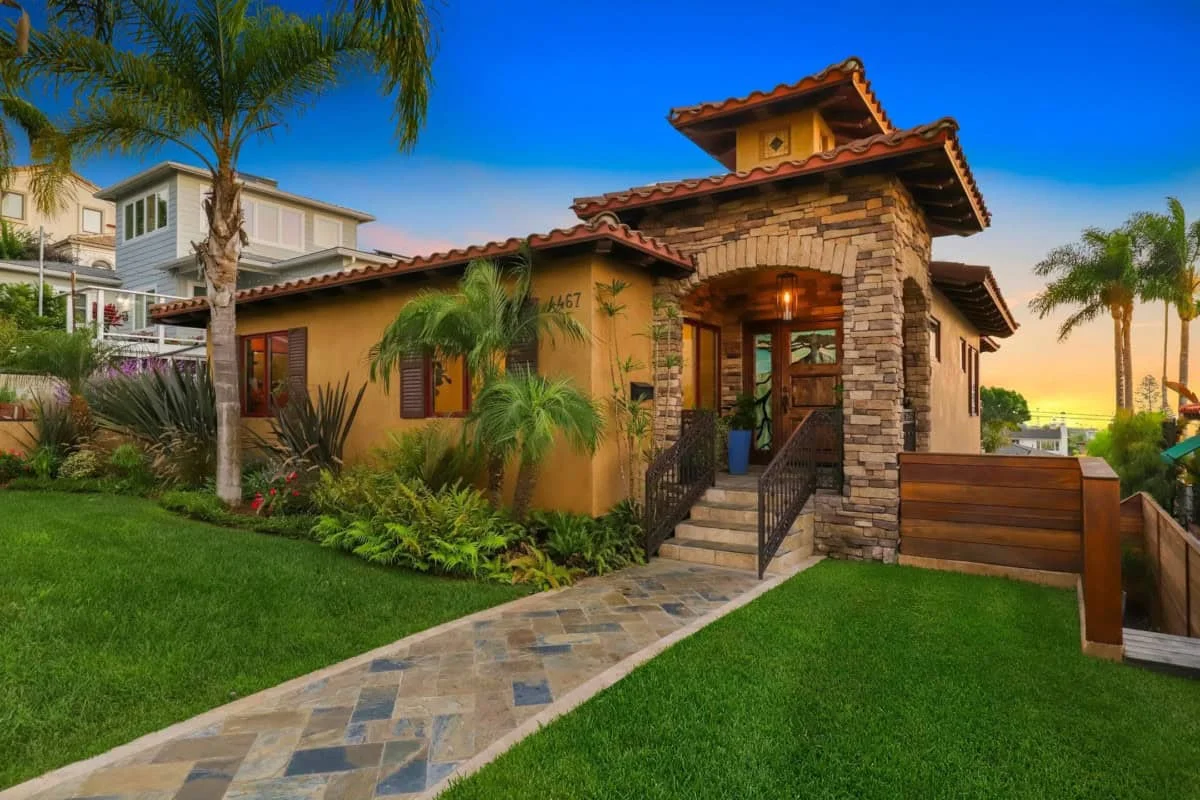
This version looks to Italian Renaissance architecture. Typical cues include clay roofs, large rounded arches, columns, and a two-story exterior. Compared with other Mediterranean styles, Italian Renaissance homes tend to have a more formal presence.
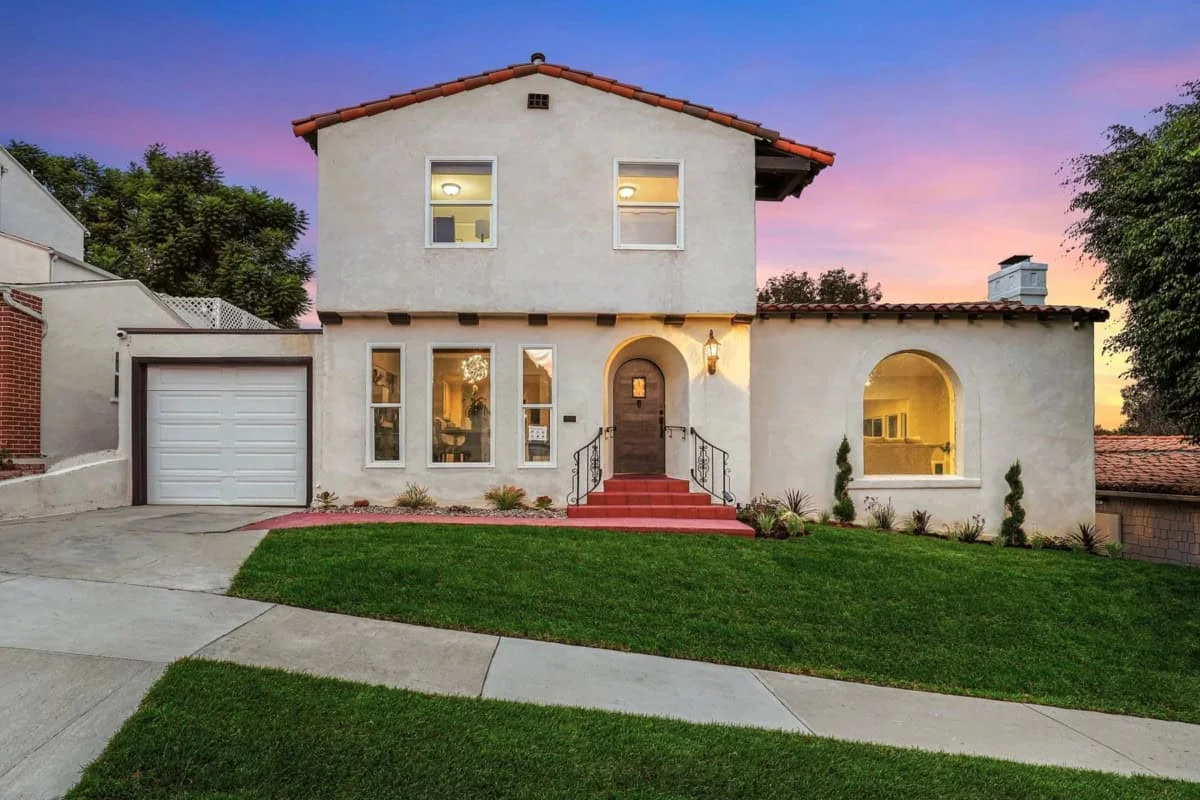
Spanish Colonial Revival (1915–1930)
Spanish Colonial Revival, also called Spanish Revival, reached its height of popularity in the 1920s and 1930s. Low-pitched roofs, clean lines, and symmetrical exteriors are common. Many examples are simpler than Italian Renaissance homes, although more elaborate versions feature detailed ironwork and tilework.
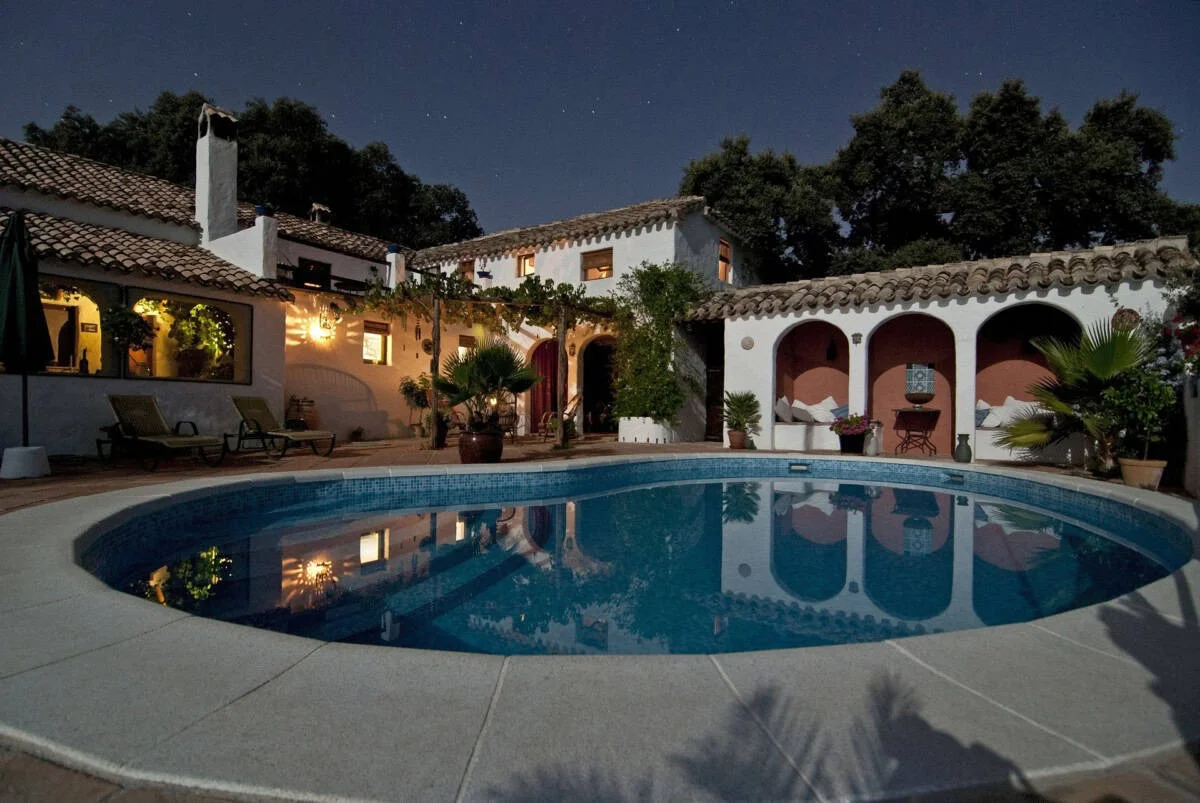
Modern Mediterranean
Many newer homes described as Mediterranean fit this category. They combine Spanish and Italian influences with cleaner lines and modern floor plans, often keeping tile roofs and indoor-outdoor layouts. The trade-off is that new construction may not have the character of a historic home. If you want contemporary planning alongside Mediterranean materials and outdoor connections, this version may be a better fit.
Smith and Formosa describe the style as “Inspired by the villas of Spain and Italy,” with “stucco exteriors, terracotta tile roofs, graceful arches, wrought-iron details, and inviting courtyards.” They say the homes suit South Florida’s warm climate and lush surroundings. For owners, that setting is part of the appeal; for buyers, the construction and upkeep still deserve a close look. See more on stucco exteriors.
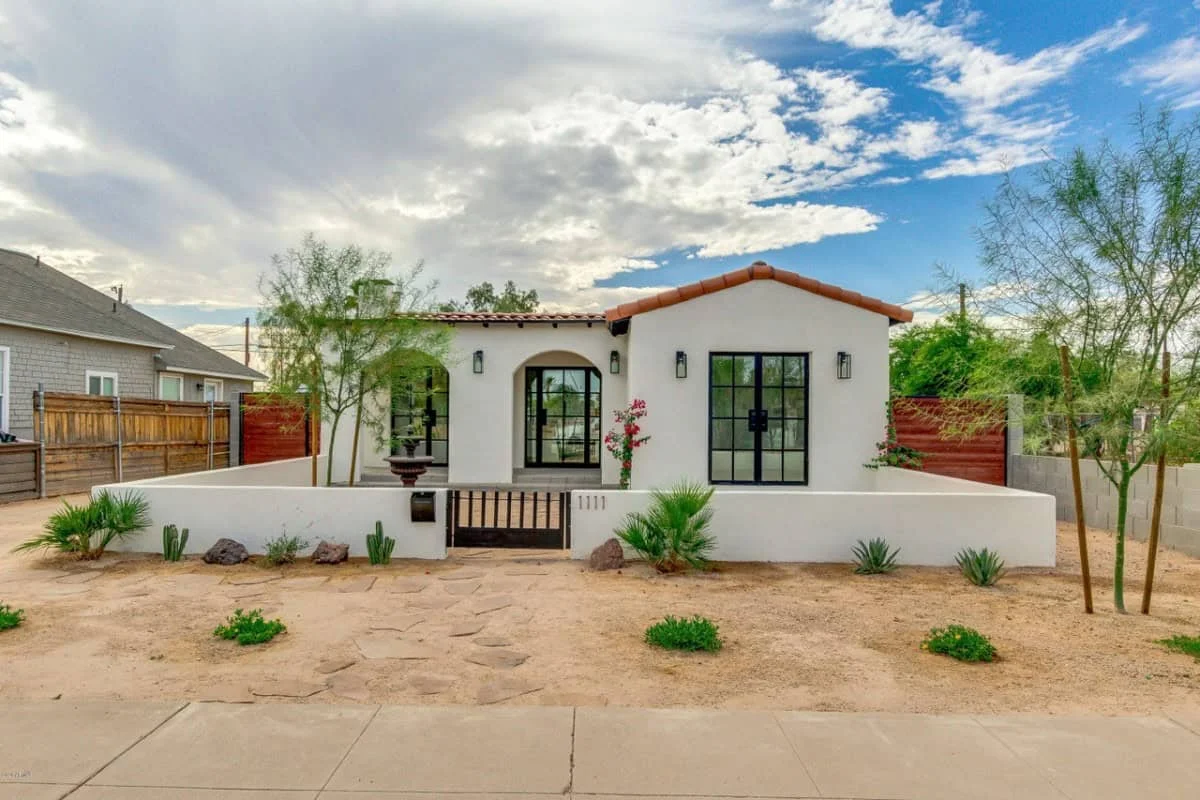
What buyers should weigh
No architectural style is a perfect fit for every buyer or climate. Mediterranean homes offer distinctive materials and outdoor spaces, but the practical value of those features depends on the home’s condition, construction, and location.
Advantages
Exposed beams, tile, and ironwork give owners strong architectural details to build a design around. In warm parts of California, stucco walls can help keep interiors cooler. The materials and climate-conscious approach may also appeal to buyers seeking a more eco-friendly home. How much that translates into lower energy use depends on the specific house and its condition.
Disadvantages
Mediterranean homes have real trade-offs: rooms can feel tight under lower ceilings, storage may be limited, and smaller windows can make spaces feel less open. Their distinctive details also call for careful decorating; too much coverage can hide the very character that makes the style appealing. And the look won’t suit everyone. If you’re house hunting in Boston, MA, cold, snowy winters may make a Cape Cod-style house a better fit. Mediterranean homes’ traditional materials are generally better suited to warmer climates.
Mediterranean style: character with trade-offs
The appeal is easy to see: stucco walls, terracotta roofs, arched openings, courtyards, and natural materials bring the warmth of Spanish and Italian architecture together with a relaxed connection between indoors and out. The style has lasted by adapting to modern life. Still, looks alone shouldn’t settle the choice. Think about room proportions, storage, climate, and whether you want to preserve the home’s architectural details.
Finding Mediterranean homes for sale
Redfin’s search tools can help you narrow the options if you’re ready to look. Start at Redfin.com, then search a city such as Santa Barbara or enter a ZIP code where you’d like to buy.

Open “Filters,” select “Home features,” and enter “Mediterranean,” “Spanish,” “Italian,” or another style in the keywords box. Then apply the filters and review the listings. Search terms can help surface likely matches, though you’ll still want to check each home’s photos and details.



If you’d rather describe what you’re looking for, Redfin’s conversational search offers another way to explore listings and find a home that fits your preferences.