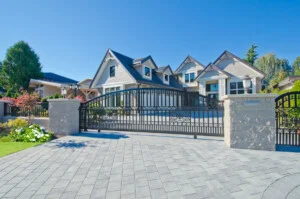
For a luxury listing, the camera can do something a photo gallery can’t: show how the home unfolds. That matters when buyers are weighing polished listings from afar and deciding which ones merit a trip. A measured walk from the entry to a sunlit kitchen, followed by a dusk view from the patio, gives them a sense of living there—not just a checklist of rooms.
That can help whether you’re marketing a desert estate in Scottsdale, AZ or a harbor-view home in Newport Beach, CA. Buyers may be searching from another city or country and comparing many properties before booking a showing. Video gives them a more complete first impression, though it can’t guarantee they’ll make the trip—or make an offer.
What real estate video can show
Video marketing covers films made to promote a property, a listing, or an agent’s services. The format can be tailored to the job:
- Cinematic walkthroughs: Planned, edited films that guide viewers through the home and emphasize its strongest features.
- Drone footage: Aerial views of the grounds, outdoor areas, and nearby setting.
- Short social clips: Brief videos focused on a single draw, such as the entrance or a particular view.
- Longer edits: Extended versions for an agent’s website, email outreach, or buyer presentations.
For a high-end property, the point is often to convey the experience of being there. A moving camera can show how rooms connect, how daylight shifts, and how the house relates to its setting. Still photography remains useful: buyers can inspect individual rooms at their own pace, while video gives them movement, scale, and atmosphere. The two formats do different work.
Build the video around the home’s strongest story
A good listing film starts with decisions made before filming: what the viewer should notice, when the light is best, and which moments make the house distinct. Six practical steps can shape that process.
1. Get the home ready for the camera
Preparation has a direct effect on what the footage can show. Clear surfaces and rooms give the camera cleaner lines and can keep the shoot on schedule.
- Put away personal items, documents, valuables, and anything cluttering surfaces.
- Use the same preparation you’d use for still photography, with these staging tips for listing photos as a guide.
- Book filming for the time of day when the home’s light and views look their best.
- For aerial work, confirm the operator holds the appropriate FAA Remote Pilot Certificate and follows commercial flight and airspace rules.
- Keep alarm panels, security codes, and other sensitive details out of frame.
2. Give viewers a sense of daily life
A room-by-room tour can document the floor plan and still leave buyers cold. The more useful question is what moments help someone imagine living there: the route from the entry to the kitchen, a gathering space that opens outdoors, or a quiet view from the bedroom.
Jacob Feingold, owner of Real Estate Photographers in Arizona, describes his approach:
“Luxury buyers are buying a way of life as much as a house, and video is the best way to show it. We build each film around how the home is actually lived in, like morning light in the kitchen, the arrival at the front entry, or the view from the patio as the sun goes down. Every listing video we do is shot on professional cinema cameras and paired with drone footage, so the home looks as refined on screen as it does in person. We also cut separate versions for the MLS, social media and the agent’s own marketing, so the same story reaches buyers wherever they’re looking. When a buyer can picture their life in the home before they ever visit, the showings that follow are with people who are already serious.”
For sellers, the practical lesson is to choose a point of view instead of trying to show everything equally. The flow between indoor and outdoor spaces, an entertaining kitchen, or a peaceful bedroom outlook may be more memorable than another broad sweep of the living room. Balancing personal style with buyer appeal in high-end homes can help frame those choices.
3. Put the setting on screen
In luxury markets, price per square foot can’t capture every reason a property stands apart. A distinctive view or unusual location may be central to its appeal, so the video should make that setting legible to someone who hasn’t visited.
House of Pix, based in Orange County, CA, describes Southern California luxury listings as generally priced above $3 million. The firm says these homes often draw buyers from beyond the local area, including international clients and relocating executives. For such properties, it argues, the selling points may be high-end finishes and lifestyle features—views of Downtown LA, the Hollywood sign, or the ocean—rather than a simple price-per-square-foot comparison.
“While photography captures these features, video adds a powerful emotional element. It allows prospective buyers to envision themselves living in the space, rather than just scrolling past still photos. For example, a five-second video clip showing a yacht moving past a window in a Newport Beach home creates an exciting, luxurious feeling that photography alone cannot convey.”
That example gets at video’s particular strength: a brief moving detail can make a view feel active. For a waterfront home, show how the house and outdoor areas meet the water; in the mountains, bring the broad views and access to outdoor amenities into the frame. Aerial footage can help explain the lot and its surroundings, though its value depends on what the property’s setting actually offers.
4. Make craftsmanship visible
Some luxury buyers submit offers without seeing a property in person. That raises the bar for the footage: the camera needs to reveal the materials, workmanship, and small design choices that a quick scroll could miss.
Elaina Spear, managing partner at Spearhead Media, says:
“Oftentimes, luxury buyers never see a home in person before submitting an offer, so the video must let them see and feel it as if they were standing inside. It starts with the details, telling the story that lives within the craftsmanship: a custom wine door that spent six months at sea, crossing three oceans and two continents, or bespoke stonework that took years to complete. We capitalize on those signature touches by capturing how light moves across each surface, reflecting off stone and glass and casting shadows that shift with every hour of the day. Buyers at this level have seen countless homes, and the ones they remember are the ones that made them feel something. Those moments are what draw them back to the listing and ultimately to the offer table.”
Original materials, custom work, and notable design decisions give a videographer something specific to capture. A listing agent can help identify those details and explain their history.
5. Plan the shoot and vet the videographer
Decide how the film should open, how the camera will move through the property, and which details deserve close-ups before the crew arrives. That planning is what turns a sequence of rooms into a coherent short film.
Ivone Cornejo, CEO and co-founder of MC Productions NJ, explains her team’s method:
“We approach a luxury listing the way we approach a cinematic film: we plan the story, open with the home’s most breathtaking moment, and use slow, stabilized movement, natural light, and aerial footage to show how the property flows and how it connects to its surroundings. Small details matter at this level, like the craftsmanship in a staircase or the view from the primary suite at sunset, and a professional captures them in a way photos alone can’t. The result is a film that attracts serious, qualified buyers, travels well with out-of-state and international audiences, and justifies the price before the first showing.”
If you’re working with a real estate agent, ask about their experience with luxury video or the videographers they hire. Before booking, get clear answers to these questions:
- Can I review videos you’ve made for comparable properties?
- What does the package cover, and which services cost extra?
- Will the shoot include interior footage, drone footage, or both?
- Can you deliver separate edits for social media and property listings?
- Where will the finished video appear, and how will it reach buyers?
Those answers help you understand both the production budget and the video’s role in the broader marketing plan.
6. Cut the footage for each channel
One edit rarely works everywhere. A single shoot can produce several formats, but the intended versions should be planned in advance so the crew captures what each one needs.
- MLS version: A clean, unbranded walkthrough that follows the media rules for the relevant market.
- Social clips: Short vertical edits built around a single feature, such as the entry or a view.
- Agent marketing: A longer film for email, a property website, or buyer presentations.
- Aerial teaser: A brief drone sequence showing the lot and nearby setting.
Distribution matters as much as the footage. These creative ways to market a house for sale offer additional ideas for reaching buyers.
What luxury listing video costs
There’s no single price for a luxury listing film. The total depends on the home’s size, how long the crew films, whether drone work is included, the amount of editing, and the videographer’s experience. A straightforward walkthrough will usually cost less than a cinematic production requiring multiple sessions and several finished edits.
Ask your listing agent whether video is part of the marketing plan or billed separately. Professional footage can present a property’s distinctive features and attract buyer interest, but it doesn’t promise a quicker sale or a higher price.
Video works best when it has a clear job
Luxury buyers may review many homes before choosing which to see. A focused video can help them understand the property’s flow, setting, and craftsmanship before they arrive. The strongest plan starts with a story, captures the features that make the home distinct, and adapts the footage for the places buyers will encounter it.
If you’re considering a purchase or sale at this level, explore homes for sale on Redfin or speak with an agent about marketing options in your market.
FAQ: Using video to market luxury homes
How long should a luxury listing video be?
There isn’t a universal ideal length. A main film may run a few minutes, while social edits are much shorter. Your agent and videographer can recommend a duration based on where each version will appear.
Can video take the place of professional photos?
No. Photos let buyers study rooms at their own pace; video shows movement, connections between spaces, and the experience of moving through the home. Many luxury listings benefit from both.
Should the video include drone footage?
Aerial views can show the grounds, outdoor spaces, and surrounding area. Whether they make sense depends on the property, local requirements, and the operator’s certifications.
When should filming happen?
Many agents arrange filming before the listing goes live so the finished video is ready at launch. Schedule the shoot for a time when natural light and views flatter the property.
Who pays for the listing video?
Payment arrangements vary by agent, brokerage, and market. Ask what the agent’s marketing plan includes and which production costs are additional.
Is video marketing worthwhile for a luxury home?
It can be a useful part of the marketing mix when a property has distinctive architecture, extensive grounds, or features that still photos struggle to convey. The value depends on the quality of the production, how widely the video is distributed, and how well it fits alongside the rest of the listing’s marketing.